
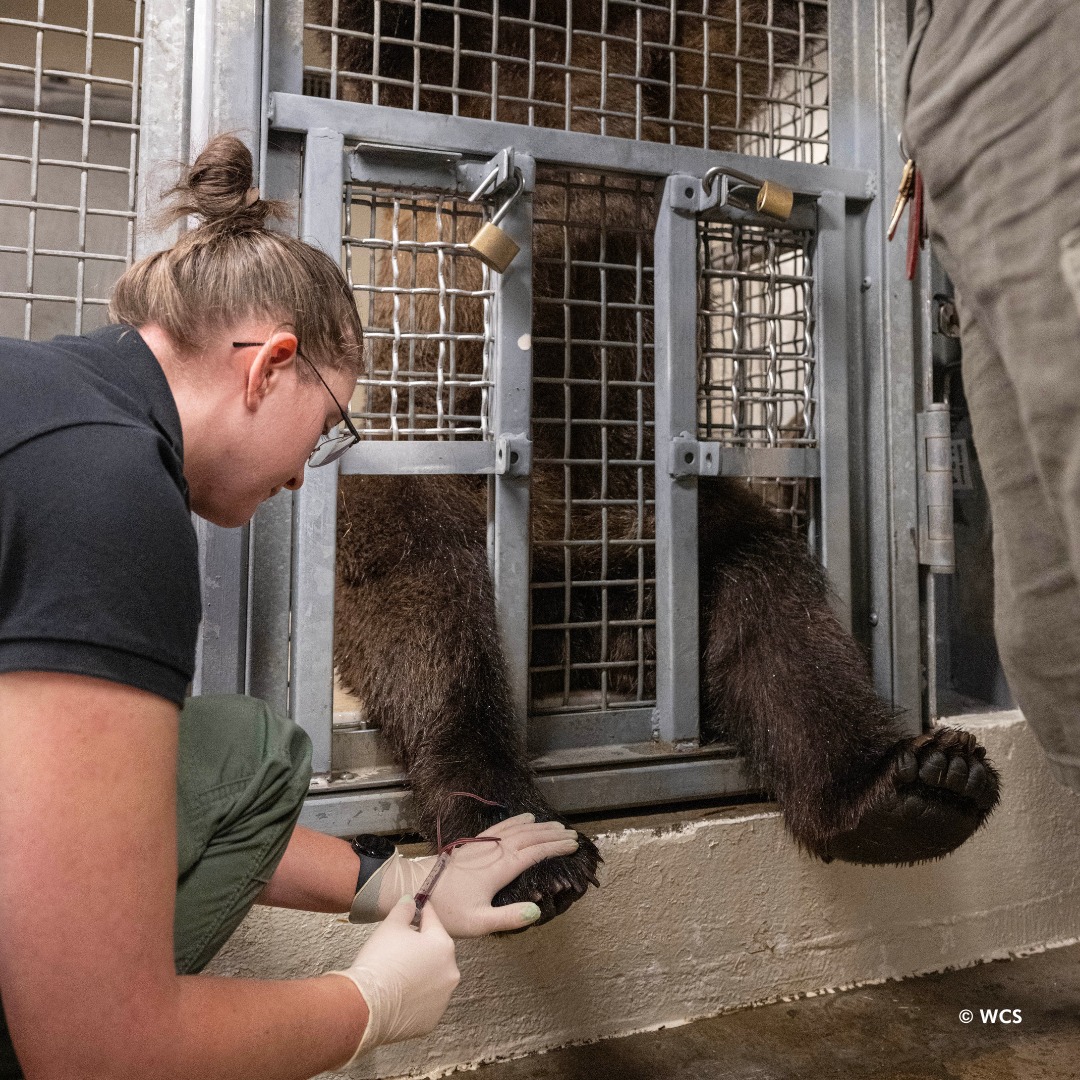
- The role of behavioral training in veterinary care for grizzly bears.
- Understanding the training process and techniques utilized.
- The importance of regular training sessions for consistency.
- Insights into the specific behaviors taught for blood sampling and vaccinations.
- The broader implications of this training approach for animal welfare and conservation.
Behavioral training serves as a pivotal component of modern veterinary care for grizzly bears. In wildlife settings, traditional methods often require sedation to conduct routine health assessments. This requirement can pose risks to the animal, including stress and potential complications. To address these challenges, three grizzly bears at our facility have been trained to position themselves or “station” for blood sampling without the need for sedation. This innovative approach not only enhances animal welfare but also allows veterinarians to perform their duties more effectively.
The training process emphasizes positive reinforcement, which is essential in building trust between the bears and their keepers. Positive reinforcement, involving rewards such as food, encourages the bears to associate certain behaviors with pleasurable outcomes. For instance, during training sessions, the bears are guided to “scoot” their legs into openings that enable a veterinary technician to collect blood samples while they eat peanut butter—a low-stress environment beneficial for all involved. If the bear remains still during the sampling, it is rewarded with a higher-value treat, like marshmallow. This method reinforces the behavior and encourages the bears to cooperate during veterinary procedures.
Each training session occurs in the behind-the-scenes holding area, modified to facilitate this specialized activity.
This controlled environment is crucial for both the safety of the animals and the staff. The modifications allow for efficient movement, ensuring that both keepers and veterinary technicians can perform their tasks without interruption or hazard. By creating an area that supports the behavioral training, the welfare of the bears is prioritized, mitigating any anxiety they might feel during these important health checks.
Regular training sessions, conducted on a weekly basis, help maintain the consistency of the behavior. Keeping the training frequent ensures that the bears do not forget their learned behaviors and remain comfortable with the procedures. The frequency of these sessions is intentional; even small lapses in training can lead to a decline in performance. Consistency is particularly important in veterinary settings where precise behaviors are required for successful sampling or treatment.
The training approach itself offers insights into the specific behaviors being taught. The process begins by teaching the bears to associate the presence of their keepers with positive experiences. The initial steps focus on habituation, where the bears gradually become accustomed to being in close proximity to the technicians. After establishing a solid foundation, the behaviors transition to more specific actions, such as the stationing process for blood sampling.
During this training, keepers employ a gradual technique. A bear will first learn to move towards the designated area in the holding facility, followed by positioning its legs in the correct openings. As the bears grow comfortable with these actions, the training naturally progresses to including the needle. This step is critical; the animals must be desensitized to the presence of the needle while simultaneously understanding its purpose.
The success of this training also speaks to the versatility of behavioral conditioning. Bears are intelligent creatures, capable of learning and adapting to various environments and situations. This adaptability plays a significant role in how quickly the bears respond to their training. Over several months, patience and persistence have allowed the keepers to instill this behavior, leading to a cooperative relationship between the animals and the veterinary staff.
Additionally, the significance of voluntary injections plays a crucial role in maintaining the bears’ health. Training the bears to willingly accept vaccinations and medications streamlines health management while reducing the stress associated with these procedures. In wildlife conservation, the ability to administer routine vaccinations without sedation is invaluable; it means animals can be monitored more effectively and treated promptly, increasing their chances of survival.
The implications of this behavioral training extend beyond individual health management. Such training practices set a precedent within the broader field of zoo management and wildlife care. Through the successful implementation of these behavioral methods, facilities can advocate for more humane treatment of animals in captivity, focusing on minimizing stress and enhancing overall well-being.
Public perception also plays a pivotal role in wildlife conservation efforts. When visitors see that animals are treated with respect and care, it fosters a deeper understanding and appreciation for wildlife. This can lead to increased support for conservation initiatives, and a growing public interest in animal welfare can drive positive changes in how facilities operate.
Education is paramount in bridging the gap between zoo management and public awareness. By sharing success stories of behavioral training, institutions can highlight effective practices that prioritize animal welfare. This education allows the public to understand the intricacies of animal training, thereby dispelling myths about wildlife in captivity. It empowers audiences to support ethical conservation efforts.
In the context of grizzly bears, raising awareness about their complex behaviors enhances the dialogue around their conservation. Bears serve as key indicators of ecosystem health, and training programs that both educate and prioritize welfare can play a significant role in preserving their populations.
Furthermore, engaging with the scientific community helps refine these practices. Collaborations between zoologists, veterinarians, and animal behaviorists allow facilities to stay informed about the latest advancements in training methodologies. By using established research to guide training practices, facilities can continually improve the effectiveness and efficiency of their health management strategies.
The training program for our bears extends beyond just enabling veterinary care. It embodies a comprehensive approach to animal management that considers both individual animal welfare and the overarching goals of wildlife conservation. As a living example of innovation in wildlife care, this initiative not only benefits our bears but also enriches the broader discussion on conservation strategies.
Implementing systems of positive reinforcement has shown to yield significant improvements in animal behavior. Not only does this create a safer environment for veterinary procedures, but it also enriches the animals’ lives. Routine engagement during training stimulates their cognitive abilities, which is essential for species known for their intelligence and social behaviors.
The training of our three grizzly bears exemplifies a commitment to elevating standards in veterinary care and animal management. By prioritizing voluntary cooperation, zoos and wildlife facilities can reduce the stress traditionally associated with veterinary procedures. This approach not only enhances care but fosters a deeper connection between humans and wildlife.
These practices stimulate ongoing conversation regarding the ethical responsibilities of facilities housing wild animals. As we reevaluate conventional methods of animal care, programs like these promote a more compassionate approach to wildlife management, highlighting an evolving understanding of the needs of these magnificent creatures.
Education, engagement, and ethical treatment form the foundation of effective wildlife care. The initiatives implemented here signal a shift towards a more comprehensive view of animal welfare in zoos and wildlife sanctuaries. Pioneering paths to improve veterinary care for grizzly bears is simply one step in a larger commitment to wildlife conservation. As we continue refining these practices, we pave the way for future generations to support and appreciate the incredible diversity of wildlife on our planet.
*****
Source Description
All three of our grizzly bears have been trained to position (station) so that our veterinary staff can obtain blood samples from them without the need for sedation. We schedule the training sessions weekly so that the behavior remains consistent. The bears are also trained to station for voluntary injections used for routine vaccinations or medication if needed.
This training occurs in the bear’s behind-the-scenes holding area which has been modified to safely support this activity. In this training, keepers station the bear to “scoot” legs into the openings allowing the veterinary technician to take a blood sample while the bear eats a peanut butter reward for maintaining its position. If the bear remains still once the needle is in place, it receives a higher value reward of marshmallow. It’s taken several months of training for our bears to master this behavior.
📸: WCS photographer, Terria Clay
