
- The importance of Zoo-mas in promoting wildlife education.
- Activities and events associated with Zoo-mas.
- The role of zoos in conservation efforts.
- How Zoo-mas fosters community engagement.
- The significance of animal enrichment during this festive time.
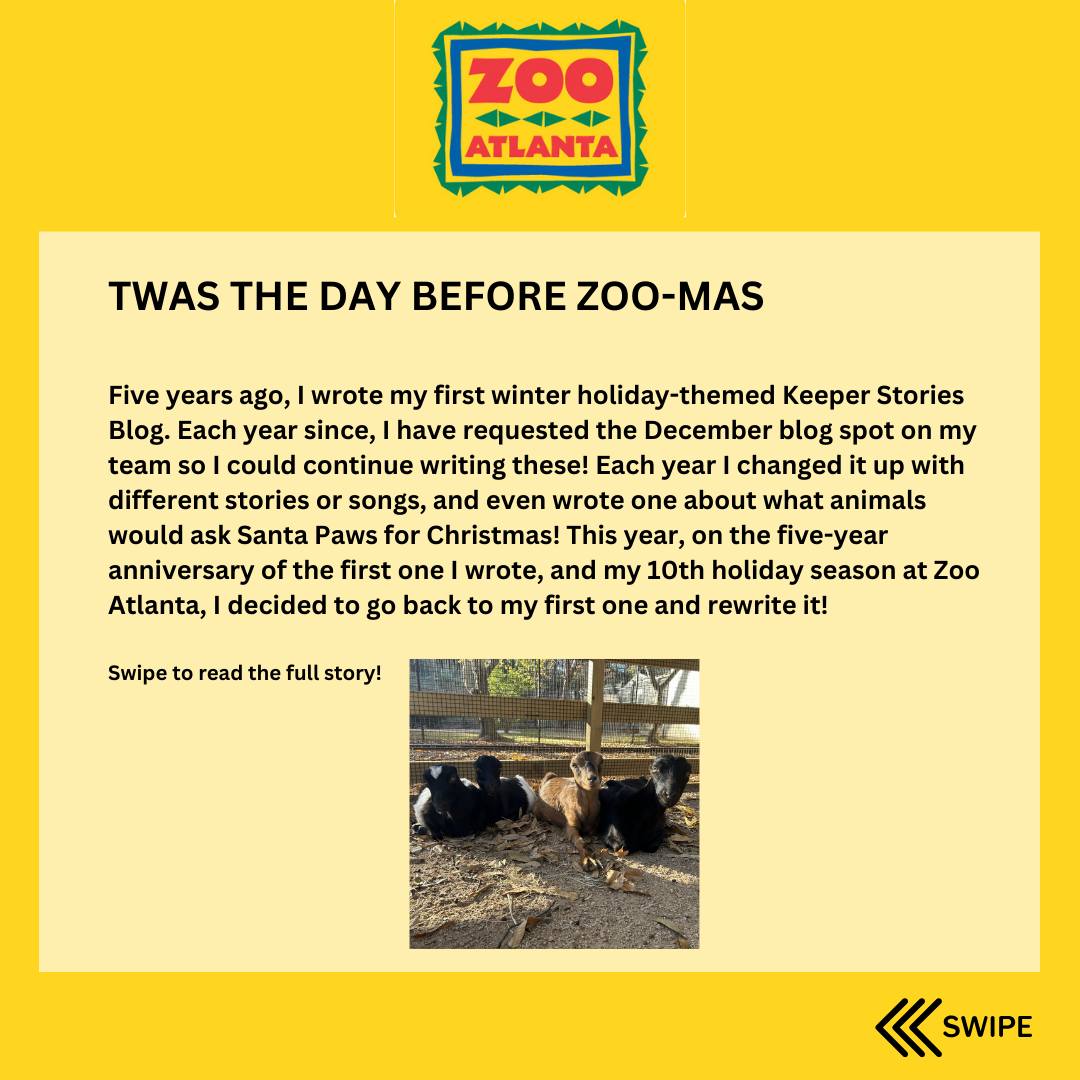
Zoo-mas is a celebration that emphasizes not only the joy of the festive season but also the critical work of zoos in wildlife education and conservation. The day before Zoo-mas is filled with anticipation and preparation, drawing attention to the crucial role that zoos play in enhancing public awareness about wildlife and the challenges they face in their natural habitats. This event serves as a reminder that these institutions are not merely places for entertainment, but also educational platforms that inspire visitors to engage with the complexities of animal conservation.
As the big day approaches, zoos across the country prepare various educational programs and activities that highlight the importance of biodiversity. Many zoos develop special Zoo-mas events that offer visitors an opportunity to learn about different species in an engaging environment. Demonstrations may include fun facts about animals, insights into their habitats, and discussions about global conservation challenges. Presentations often aim to detail the impact of habitat loss, climate change, and poaching on wildlife populations, encouraging people to make informed decisions in their own lives that can foster positive change.
Zoo-mas activities also bring communities together. Families often visit zoos as part of their holiday traditions, creating lasting memories. During the Zoo-mas festivities, local schools may partner with zoos to organize educational field trips. Students get to interact with animals, participate in special workshops, and engage in fun, hands-on activities. These experiences cultivate a sense of responsibility among younger generations in relation to wildlife stewardship. Through such initiatives, children learn the importance of conserving ecosystems and supporting local and global conservation efforts.
Animal enrichment is another core aspect of Zoo-mas celebrations. In an effort to mimic natural behaviors, zookeepers often develop creative enrichment activities designed to stimulate the animals both mentally and physically. This can include toys, puzzles, and seasonal treats that excite animals and encourage them to explore their enclosures. During Zoo-mas, zookeepers collaborate with their teams to innovate new resources for animal engagement, ensuring that the animals experience a joyful festive occasion as well. The enrichment not only enhances the well-being of the animals but reinforces the notion that their habitats, whether in the wild or in curated environments, need to allow for such crucial behaviors.
The involvement of visitors does not end with their experience at the zoo. Many zoos take this opportunity to promote conservation through direct action. Information booths often educate guests about ways they can contribute to preservation efforts. Whether it’s through adopting an animal, contributing to funding initiatives, or supporting habitat restoration projects, guests are encouraged to participate actively in wildlife conservation. Even small actions can lead to significant benefits for endangered species globally.
On the day before Zoo-mas, there is a tangible sense of excitement that fills the air. Decorated enclosures and festive lights create a vibrant atmosphere that captivates visitors of all ages. The sounds of excitement from children echo throughout the zoo as they engage with the myriad of activities available. Each exhibit highlights the unique traits and habits of the animals, making learning an enjoyable aspect of the visit. Special signs may be posted, sharing stories about animal care, rehabilitative efforts, and breeding programs working toward species recovery.
Zoo-mas also emphasizes the bonds formed between keepers and the animals they care for. Zookeepers spend years cultivating these relationships, which significantly enhance animal welfare. This day serves as a reminder that all animals require care and respect, and it is critical for humans to recognize their role in safeguarding their future. Each animal brings its own story, reinforcing the idea that preservation is not just about species survival; it’s about a holistic approach to their well-being, including mental health, environmental conditions, and physical health.
Furthermore, educational talks often focus on specific species, enlightening zoo visitors about the plight faced by particular populations, such as the loss of habitat for orangutans or the threats to polar bears due to melting ice. Learning about these challenges can inspire visitors to make conscious changes in their daily lives. Even simple actions, such as reducing plastic use or supporting sustainable businesses, contribute to a wider impact.
In addition, many zoos use their platforms during Zoo-mas to reach out to a broader audience. Online engagement has increased significantly in recent years, resulting in virtual tours, live animal talks, and social media campaigns. These approaches ensure that the enjoyment and educational impact of Zoo-mas extend beyond the physical confines of the zoo. Those unable to visit can still experience Zoo-mas from home, fostering a sense of connection with wildlife even from a distance.
Zoo-mas events can also highlight specific conservation programs. For instance, zoos often collaborate with in-situ conservation projects aimed at restoring natural habitats. Guests are informed of how funds generated during the festivities directly contribute to conservation work both locally and internationally. This connection between visitors and global conservation means that activities enjoyed today have lasting impacts on wildlife preservation for future generations.
As part of ongoing conservation messaging, many zoos tie Zoo-mas activities to specific themes each year. For example, a zoo may highlight the importance of pollinators one year and focus on marine ecosystems the next. This thematic approach ensures that the educational component stays relevant and engaging. It also means that visitors can expect something different each year, renewing their interest and inviting them back to learn more.
As we observe the excitement surrounding Zoo-mas, it’s essential to recognize the critical role that these institutions play in global biodiversity conservation. Zoos often participate in Species Survival Plans, which are coordinated efforts to manage breeding populations of endangered species to ensure genetic diversity and viability. These programs are crucial for maintaining healthy populations and often collaborate with international zoos for knowledge-sharing and resource pooling.
Moreover, zoos today have shifted their focus from simply displaying animals to becoming active participants in wildlife health and conservation science. Many zoos conduct research that contributes valuable information on animal behavior, species-specific needs, and habitat requirements. This information often aids conservationists in developing more effective strategies for protecting species in their natural environments.
This intersection of research and education is particularly evident during Zoo-mas. Zoos may host panels featuring experts discussing the latest conservation strategies, animal health breakthroughs, or the social structures of certain species. Engaging discussions can provide visitors with deeper insights into how they can contribute to wildlife protection efforts, long after the celebrations end.
In addition to wildlife conservation, Zoo-mas celebrations can highlight ecological education. The days leading up to Zoo-mas often involve discussions about habitat preservation, climate change, and the vital interconnectivity between species and their environments. These presentations give visitors an understanding of how their daily choices can impact the planet, encouraging them to advocate for a sustainable future.
Capturing the spirit of giving, many zoos also engage in philanthropic efforts that go hand-in-hand with their Zoo-mas events. Charitable activities may encompass fundraising campaigns specific to conservation projects, such as restoring habitats or funding wildlife corridors. The direct participation of visitors in these charitable acts fosters a collective sense of responsibility toward wildlife.
The spirit of Zoo-mas reflects not just a celebration of animals, but also a commitment to ensuring a future for them. As people gather to witness the festivities, they are reminded of their role in the broader picture of conservation. It illustrates the connection between enjoyment and education, showing how learning about wildlife can create advocates for change.
The impact of Zoo-mas is profound, resonating far beyond the confines of the zoo grounds. It mobilizes visitors to think critically about their relationship with nature and inspires a new generation of conservationists. As families revel in the festivities, excitement reverberates throughout communities, building a culture of awareness and engagement with wildlife stewardship.
This day captures the essence of what zoos strive to achieve: educating the public while engaging them in the critical discussion surrounding wildlife conservation. Each Zoo-mas celebration brings opportunities to learn, connect, and act in ways that can lead to meaningful change. By gaining knowledge and awareness, visitors are more equipped to take part in protecting our planet’s invaluable resources and ensuring a better world for all species.
*****
Source Description
Twas the day before Zoo-mas…
