
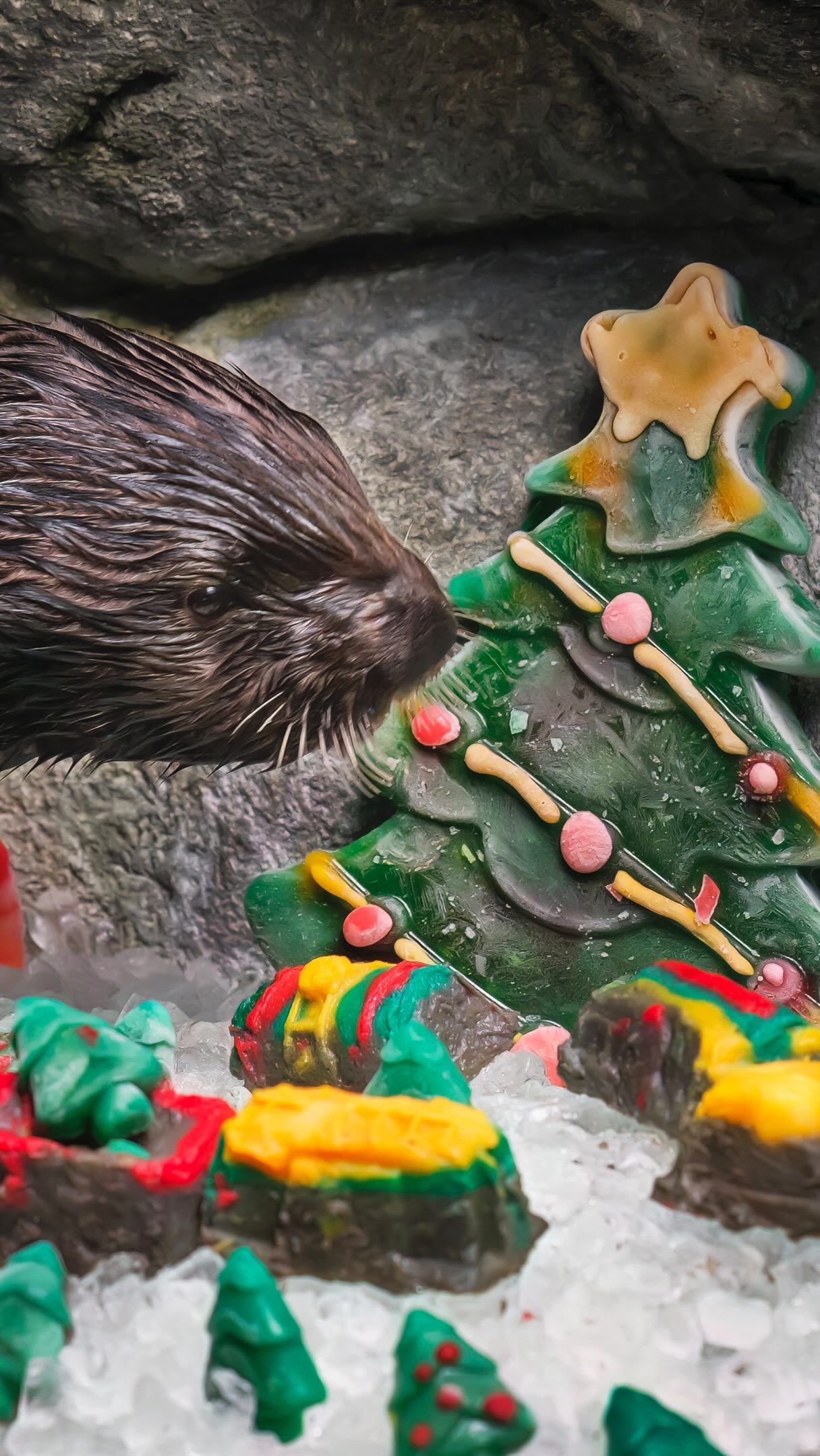
- The significance of holiday ice treats in animal care.
- The artistry and nutritional value of Linda’s ice creations for otters.
- Understanding otter nutrition and dietary needs in a conservation context.
- The role of volunteers in wildlife rehabilitation and enrichment activities.
- The impact of enrichment experiences on the well-being of zoo animals.
Holiday celebrations often include culinary delights, and for the animals in zoos, these treats are not only festive but also serve an important role in their care. One such initiative is seen through Linda’s holiday ice treats for otters at a local zoo. These innovative, edible artworks not only engage the animals but also contribute positively to their well-being.
The significance of holiday ice treats cannot be overstated. They serve as both enrichment and a reward during feeding times. Such treats can stimulate natural behaviors in animals like otters. Otters are known for their playful nature, and the process of rolling, biting, and licking these icy creations encourages exercise and mental stimulation. Engaging with these ice treats mimics foraging activities seen in the wild. This enhances their overall mental well-being, reducing boredom and stress often experienced in captivity.
Linda’s treats are not just whimsical vessels of flavor; they are examples of artistry combined with nutritional knowledge. She crafts each treat using safe, healthful ingredients that are enjoyable for the otters. The use of fruits, vegetable purees, and fish ensures that these ice blocks are not only a delight but also provide essential nutrients. Otters are classified as carnivores, with a diet predominantly consisting of fish, crustaceans, and some aquatic plants. However, the nutritional profile of these ice treats must be balanced to avoid any adverse effects on their health. Linda’s attention to the dietary needs of her otter friends showcases the importance of understanding animal nutrition in wildlife care.
Understanding the specific dietary needs of otters is crucial for effective wildlife conservation efforts. Otters in the wild consume a varied diet that changes with the seasons. Such adaptability helps them thrive in their natural habitats. Captivity changes this dynamic. Thus, it is vital to replicate their natural feeding patterns as closely as possible. Providing diverse and appropriate foods not only supports their health but also mimics their wild behaviors. Knowledge of these needs encourages zoo staff to develop programs that cater to species-specific requirements. This approach can significantly impact the success of wildlife rehabilitation efforts.
Volunteers like Linda are essential to zoos and wildlife rehabilitation centers. Their efforts extend beyond feeding animals; they help facilitate enrichment activities that improve the lives of the animals. Volunteers often bring unique skills and perspectives to these organizations, contributing various forms of engagement and enrichment. Linda’s artistry in creating ice treats serves as a wonderful example of how volunteers can bring innovation to animal care. The simple act of preparing holiday ice treats demonstrates the potential of volunteers to make meaningful contributions. Each ice creation is not just a treat; it’s a celebration of creativity that connects the community to the animals.
The impact of enrichment activities, such as those provided by Linda, cannot be overlooked. Studies in animal behavior indicate that proper enrichment leads to improved mental and physical health in zoo animals. Otters, known for being intelligent and social creatures, benefit greatly from such experiences. These activities reinforce natural behaviors, such as hunting and foraging, which can lower stress levels. Stress can lead to various health problems, affecting both physical health and longevity. Hence, promoting mental stimulation is a critical aspect of modern zoo management.
Moreover, the winter holiday season presents a unique opportunity for both staff and volunteers to create special experiences for the animals. Seasonal festivities often bring families to the zoo, facilitating educational interactions that bring awareness to various species and their needs. Linda’s holiday ice treats play a pivotal role in this experience. They not only captivate audiences, allowing them to watch otters engage with their treats, but they also spark conversations about the significance of animal care in conservation. These discussions help raise awareness about the importance of protecting wildlife habitats and supporting sustainability efforts.
Zoos play an important role in wildlife conservation through the education and rehabilitation of species. They serve as custodians of animal welfare and species preservation. Volunteer programs, like the one Linda participates in, are significant for enhancing educational outreach. They illustrate the public’s role in supporting conservation efforts. Participating in wildlife care instills knowledge about ecological balance, biodiversity, and species vulnerability.
In the broader context of wildlife conservation, the practices at zoos are crucial for species that face threats in the wild. Otters, for example, are subject to habitat destruction, pollution, and climate change. By engaging the community through events like the holiday ice treats, zoos contribute to a greater understanding of these issues. It fosters a sense of responsibility among visitors, prompting them to consider their role in conservation and sustainability. Initiatives like Linda’s can amplify these messages, reinforcing how education and engagement in animal care can lead to positive outcomes for wildlife.
Furthermore, the act of creating these holiday ice treats emphasizes the intersection of art and science in animal care. Each colorful creation is not only visually appealing but also reflects a deeper understanding of animal husbandry and nutritional science. This blend of creativity and scientific rationale can serve as an educational tool. It can inspire future generations to consider careers in animal care, biology, and environmental science, further enhancing societal involvement in conservation.
Larger discussions surrounding the use of enrichment techniques underscore the importance of fostering effective care strategies. Research has shown that diverse forms of stimulation—whether through environmental enrichment, social interactions, or novel food offerings—play a substantial role in reducing stereotypies, or repetitive behaviors, often seen in captive wildlife. Linda’s holiday ice treats can contribute to the enrichment activities that address such behaviors by encouraging foraging and problem-solving. These activities stimulate the animals both physically and mentally, creating a more dynamic and healthy living environment.
Promoting the well-being of captive wildlife should ultimately align with the aim of conservation goals. Strategies should support the animals’ natural instincts, promoting healthier populations that can thrive under human care. The collaboration between staff and volunteers like Linda fosters an environment that prioritizes these ideals. It is essential for modern zoos to continually adopt and implement practices that reflect best standards in animal care and conservation.
As the holiday season approaches, volunteers play a vital role in transforming the ordinary into something extraordinary. Linda’s creativity exemplifies how individuals can make a tangible impact in animal care. These holiday ice treats bridge the gap between visitor engagement and animal welfare, demonstrating how the two can coexist harmoniously.
The blend of art and education in animal care initiatives offers new avenues for outreach and conservation efforts. By highlighting activities and programs, such as those orchestrated by volunteers, zoos can enhance their educational role in society. Encouraging visitors to engage with learnings about animals, conservation, and practical efforts enhances their awareness beyond the zoo grounds.
Incorporating seasonal festivities tied to animal care encourages broader discussions about conservation and animal welfare. As visitors witness otters reveling in their holiday ice treats, they gain insight into their physical and mental needs, fostering empathy and understanding. This knowledge elevates the role of zoos in the larger scope of environmental stewardship and wildlife conservation.
Linda’s ice treats symbolize joy amidst the challenges faced in wildlife care. They highlight the importance of creativity in animal enrichment and showcase the impact of volunteer efforts in conservation contexts. The future of wildlife conservation depends on individuals and organizations collaborating to encourage healthier lives for animals within our care, and events like these pave the way. Such positive initiatives can ignite a passion for environmental stewardship in communities, encouraging support for sustainable practices and habitat preservation.
By strengthening the connections between the community and the animals, experiences like Linda’s holiday ice treats can inspire future generations to advocate for wildlife, ensuring that otters and other species continue to thrive, both in captivity and in the wild. The fusion of education, conservation, and creativity serves as a reminder of our responsibility to protect precious wildlife for years to come.
*****
Source Description
A Hollywood Pawshake is in otter for Volunteer Linda’s holiday ice treats! She makes works of edible art for that are otterly devoured in minutes. 🦦🎄🎁
