
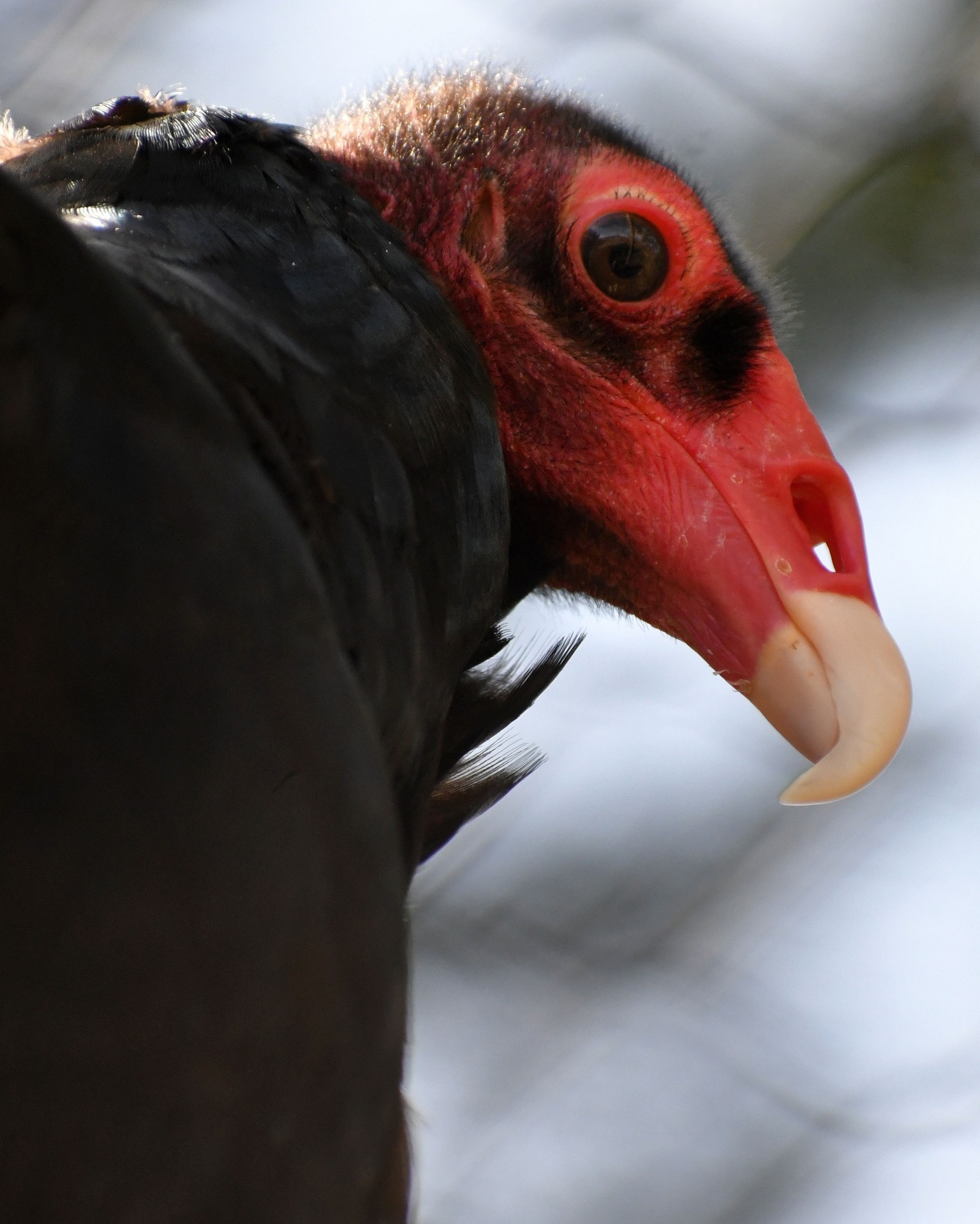
- Vultures play a vital role in the ecosystem as scavengers that promote health and cleanliness.
- Their unique physiological adaptations, especially their digestive systems, are crucial for their survival and effectiveness.
- Misunderstandings surrounding vultures often lead to their persecution, which threatens conservation efforts.
- The interaction between vultures and human activities has significant implications for biodiversity and environmental health.
- Conservation programs and advocacy efforts are essential to ensure the survival of these important birds.
Vultures serve as nature’s clean-up crew, playing an essential role in maintaining healthy ecosystems. These birds are primarily scavengers, feeding on carrion and helping to recycle nutrients back into the environment. Their scavenging activities not only prevent the spread of disease but also contribute to soil enrichment, promoting overall biodiversity. In an era where habitat destruction and climate change pose significant threats, understanding and protecting vultures has become a pressing conservation issue.
One of the most remarkable aspects of vultures is their specialized digestive system. Vultures possess incredibly strong stomach acid, which enables them to ingest and digest decomposing carcasses that would be harmful to many other animals. The pH of their gastric juices can fall below 1, allowing them to neutralize harmful bacteria and toxins commonly found in decaying matter. This adaptation is critical for their survival, as it allows them to utilize a resource—carrion—that few other animals can exploit. Additionally, this powerful digestive ability contributes to ecological balance by minimizing the potential for disease outbreaks in their habitats.
Despite their crucial ecological role, vultures often face misunderstanding and misrepresentation. Many cultures associate vultures with death and decay, leading to negative portrayals in folklore and media. Such misconceptions can have dire consequences for their populations. In regions where they are viewed unfavorably, vultures may be persecuted, directly impacting their numbers and overall health of ecosystems. For instance, in India, the rapid decline of vulture populations was linked to the use of the veterinary drug diclofenac, which is toxic to these birds when they consume treated livestock. This unfortunate scenario exemplifies how human practices can inadvertently threaten vulture populations and, by extension, the health of local environments.
The interaction between vultures and human activities is complex. Vultures are often seen congregating around potential food sources, including landfills and areas where livestock are present. While this behavior allows them to thrive, it can lead to conflicts with local communities, who may view them as nuisances. Moreover, habitat destruction due to agriculture, urbanization, and industrial development poses significant threats to vulture populations. These pressures underscore the need for an integrated approach in wildlife conservation that considers both human needs and animal welfare.
Conservation initiatives are crucial in reversing the decline of vulture species around the globe. Organizations and wildlife advocates have developed various programs aimed at raising awareness about vultures’ ecological importance. Education programs in schools and communities focus on dispelling myths and foster a greater appreciation for these birds. Additionally, research initiatives aimed at understanding their behavior, physiology, and habitats provide valuable insights to inform conservation strategies. For example, tracking and monitoring programs help scientists assess population trends and identify critical habitats needing protection.
International cooperation is also vital for vulture conservation. Migratory species often traverse political boundaries, making collaboration between countries necessary to safeguard their habitats. International treaties, such as the Convention on Migratory Species (CMS), provide a platform for countries to work together on conservation efforts. These treaties facilitate the sharing of effective practices and resources, focusing on habitat protection and the prevention of poisoning incidents—a significant threat to vultures worldwide.
Vultures are not only important as scavengers; they also play a role in maintaining healthy ecosystems through their feeding habits. By consuming dead animals, vultures prevent the proliferation of diseases associated with carrion decomposition. For instance, decomposing carcasses can become breeding grounds for pathogens such as anthrax and rabies. When vultures efficiently remove these carcasses, they reduce the risk of these diseases spreading to other animals and even humans. In regions where vultures have declined, reports of disease outbreaks among livestock and wildlife have notably increased.
Several species of vultures exist worldwide, each contributing to their ecosystems in unique ways. Turkey vultures, for example, have an impressive sense of smell—they can detect carrion from miles away, which aids in their scavenging ability. Other species, such as the griffon vulture, predominantly rely on their excellent eyesight. This diversity highlights the importance of conserving all vulture species, as each serves a unique function within their ecosystems.
In addition to their ecological responsibilities, vultures also offer economic benefits. Nature-based tourism, centered around birdwatching and wildlife observation, can significantly contribute to local economies. In areas where vultures are abundant, tourists are often drawn to observe these fascinating birds in their natural habitats. This tourism promotes conservation efforts, as local communities recognize the economic value of preserving vulture populations.
The cultural significance of vultures cannot be ignored. In some cultures, these birds symbolize renewal and the cycle of life, reinforcing their ecological role. Education programs that highlight these cultural connections can help bridge the gap between local communities and conservation efforts. By fostering a deeper understanding of vultures, we can encourage more mindful interactions between people and these birds.
One of the most pressing threats vultures face today is poisoning, often as a result of livestock veterinary practices. Farmers may use toxic medications to treat livestock, unaware that vultures feeding on carcasses can suffer fatal consequences. Advocating for safer veterinary practices and promoting the use of vulture-safe drugs are essential steps in mitigating this threat. Recognizing vultures as valuable members of the ecosystem can lead to more favorable attitudes towards their conservation.
Community involvement is critical in conservation efforts. Local people are often the first line of defense when it comes to protecting vultures. Engaging communities in monitoring vulture populations can lead to increased awareness and advocacy. Citizen science projects encourage local birdwatchers and nature enthusiasts to contribute to data collection, providing valuable information to scientists while fostering a sense of ownership and responsibility toward their local ecosystems.
In many regions, conservation organizations are working with local communities to promote sustainable practices that benefit both vultures and humans. Initiatives that encourage responsible waste management and habitat preservation can create a balanced coexistence. For instance, promoting organized scavenging sites can help provide vultures with safe access to food while minimizing human-wildlife conflict.
Educating future generations about the importance of vultures is a responsibility that falls on educators, conservationists, and parents alike. Schools play an essential role in shaping young minds and fostering empathy for wildlife. Incorporating programs focused on vultures into school curricula can spark interest in ecology and conservation from an early age. By preparing the next generation to appreciate and protect vultures, we take significant steps toward ensuring the survival of these vital birds.
Efforts to conserve vultures must also extend to habitat restoration. Protecting and rehabilitating natural habitats where vultures nest and feed can create a sustainable environment for their populations to thrive. Initiatives aimed at reforestation, wetland restoration, and maintaining open landscapes are crucial for supporting healthy ecosystems that include vultures.
Whether through policy advocacy, education, or community involvement, every action counts in the effort to conserve vultures. As we learn more about these often-misunderstood creatures, their critical importance to ecological health becomes increasingly clear. Vultures are not merely symbols of death; they are fundamental components of healthy ecosystems, ensuring that nature’s cycle of life continues.
By prioritizing vulture conservation and raising awareness about their ecological role, we contribute not only to the survival of these extraordinary birds but also to the overall health of our planet. The ongoing efforts of conservationists, local communities, and wildlife enthusiasts will be crucial in the coming years. Ensuring the protection of vultures and their habitats is an investment in a healthier environment for all species, including humans.
*****
Source Description
Vulture’s are an essential, but often misunderstood animal in our ecosystems. They provide an important role as nature’s clean-up crew, which is why their conservation and protection is an urgent issue.
Come learn with us this thanks to these graphics from @vultureday !
(Pictured: Slides 1 + 3 feature Lewis the turkey vulture, a vulture ambassador at the GWDC due to his permanent wing injury; Slides 2 + 4 feature infographics on the powerful digestive tracts of vulture from VultureDay.)
