
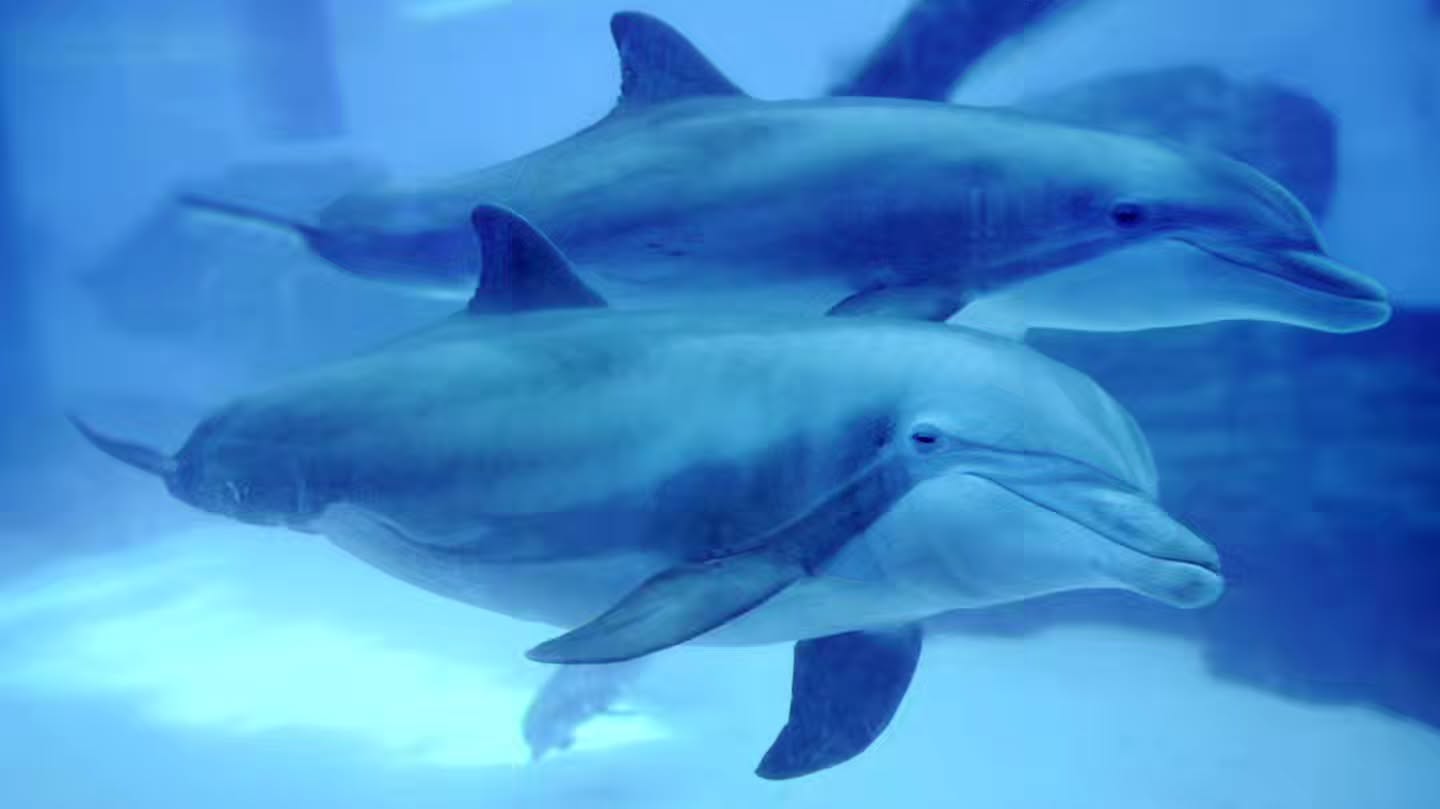
- Overview of Common Bottlenose Dolphins’ biology and behavior
- Habitat and distribution of Tursiops truncatus
- Conservation status and threats to their population
- Role in marine ecosystems and human interaction
- Best practices for wildlife conservation and education
The Common Bottlenose Dolphin (Tursiops truncatus) is one of the most recognized marine mammals worldwide. Known for their distinct dorsal fin and diverse range of vocalizations, they have captured human interest for centuries. These dolphins possess advanced cognitive abilities, displaying complex social behaviors and sophisticated methods of communication.
Understanding their biology reveals fascinating aspects of their anatomy. Adult bottlenose dolphins typically measure between 8 to 12 feet in length and can weigh from 300 to 1,400 pounds. Their skin is smooth and varies from gray to light brown, complemented by a lighter underside. A striking feature is their dorsal fin, which can reach up to 12 inches tall, serving both stability and identification among pods.
These dolphins exhibit a variety of behaviors that speak to their intelligence. They are known to engage in cooperative hunting, where pods work together to herd schools of fish. This teamwork showcases their problem-solving skills. Bottlenose dolphins also use echolocation, emitting sound waves and interpreting the returning echoes to locate prey and navigate their environment. This ability is crucial for survival, particularly in murky waters.
The habitat of the Common Bottlenose Dolphin spans a broad geographical range. They are often found in temperate and tropical waters, inhabiting both coastal areas and deeper oceanic zones. Their flexibility allows them to thrive in various environments, from bays and estuaries to open ocean. In the United States, they are commonly observed along the Atlantic and Pacific coasts, as well as in the Gulf of Mexico. Their adaptable nature contributes to their success as a species, although specific populations may exhibit varying preferences for habitat types.
In recent years, the conservation status of Tursiops truncatus has prompted concern. While some populations are stable, others face significant threats. The International Union for Conservation of Nature (IUCN) categorizes them as Least Concern; however, local populations can be vulnerable. Major threats include habitat degradation, pollution, and entanglement in fishing gear. Anthropogenic activities, such as boat traffic and industrial development along coastlines, further exacerbate these issues.
Pollution poses a stark danger to bottlenose dolphins. Water contamination affects their prey, subsequently compromising the dolphins’ health. Toxic substances, including heavy metals and plastics, enter marine ecosystems through runoff and waste disposal. Such contaminants can lead to reproductive issues, immune dysfunction, and even mortality in affected dolphins.
Marine mammal rescue organizations continuously monitor stranding events and assist injured or ill individuals. Their work emphasizes the need for proactive conservation efforts, including habitat restoration and regulations to mitigate human impact. Stronger marine protected areas can play a pivotal role in safeguarding these dolphins and their habitats.
Bottlenose dolphins are integral to the marine ecosystem. They serve as both predators and prey, influencing the populations of fish and other marine organisms. Their presence is often an indicator of a healthy aquatic environment. These dolphins also contribute to local economies through ecotourism, as many people travel to observe them in their natural habitat. Balancing conservation and tourism can create sustainable benefits for both the local communities and dolphin populations.
Additionally, human interaction with bottlenose dolphins presents both opportunities and challenges. Dolphin-watching excursions are popular worldwide, yet they can lead to disturbances in natural behaviors. Operators must comply with guidelines to minimize stress on the animals and enhance educational opportunities for tourists. Advocating for responsible wildlife tourism can foster a greater appreciation for these marine mammals and promote conservation efforts.
In promoting wildlife conservation and education, public awareness is critical. Schools, zoos, and marine parks can all play valuable roles in educating the community about the importance of preserving marine life. Educational programs can highlight the ecological significance of bottlenose dolphins and address conservation strategies that individuals can undertake in their daily lives.
Behavioral research on Tursiops truncatus continues to evolve, with studies improving our understanding of their social structures. Bottlenose dolphins often live in pods, which can range from small family groups to larger aggregations. Social interactions among dolphins include cooperation, communication, and play. These behaviors highlight their complex social dynamics and enhance their adaptability in various environments.
Moreover, the vocalizations of bottlenose dolphins are a key area of study. Their calls often resemble whistles and clicks, and various studies suggest that each dolphin develops its own signature whistle. This ability to identify individuals through sound enhances social bonds within pods and aids in communication during hunting and navigation.
The management of bottlenose dolphin populations requires collaboration among scientists, policy-makers, and conservation organizations. Ensuring sustainable practices in fisheries, curtailing pollution, and establishing protected marine areas can significantly contribute to the long-term survival of Tursiops truncatus.
In addition to protecting their habitats, community engagement in conservation initiatives is vital. Encouraging local residents to participate in beach clean-ups and wildlife monitoring efforts fosters a sense of stewardship. By empowering individuals with the knowledge and tools to support conservation, we can promote a lasting impact.
Conservation education can also integrate technology, such as citizen science projects, where individuals can contribute to data collection. This type of involvement not only raises awareness but also demonstrates the collective impact that communities can have on wildlife protection.
Research in marine biology continues to evolve, unlocking further nuances in dolphin behavior and ecology. As technologies such as drone surveillance and advanced tracking systems become commonplace, scientists are able to gather unprecedented data on bottlenose dolphin populations. This information will prove crucial in formulating informed conservation strategies.
Efforts to conserve Tursiops truncatus are not isolated; they intersect with broader marine conservation endeavors. Addressing climate change is essential, as rising ocean temperatures and acidification present new challenges to marine species. Collaborative efforts among nations are critical to ensuring the health of international waters and the diverse species that inhabit them.
Public support for policies aimed at protecting marine ecosystems is core to effective conservation. Advocating for stronger regulations on coastal development and pollution control can drive significant change. Educating the public about the importance of healthy marine environments fosters a culture of responsibility toward ocean stewardship.
The need for effective legislation cannot be understated. Advocacy for laws that protect critical marine habitats and regulate fishing practices is necessary to promote sustainable interactions between human activities and bottlenose dolphin populations. Collaborative research initiatives among governmental and non-governmental organizations can enhance policy effectiveness.
Efforts to learn more about the Common Bottlenose Dolphin will play a critical role in shaping future conservation strategies. The more we understand their biology, behaviors, and interactions with the environment, the better equipped we will be to protect these iconic marine mammals.
The journey to safeguard Tursiops truncatus highlights the interconnectedness of all marine species and humans. Encouraging mindful coexistence through conservation education, responsible tourism, and robust policy advocacy sets the stage for a future where these dolphins can thrive. Each effort contributes to the greater good, demonstrating that conscious action can create a lasting positive impact on marine ecosystems.
*****
Source Description
Common Bottlenose Dolphins (Tursiops truncatus) 📷 @ the @brookfieldzoo
