
- The cultural significance of Thanksgiving and pumpkin pie.
- The nutritional aspects of pumpkin pie and its ingredients.
- Wildlife conservation at zoos and the role of institutions like Potter Park Zoo.
- Insights into pumpkin pie traditions and recipes across the United States.
- The importance of ethical practices in zoo management and wildlife conservation.
Thanksgiving is a cherished cultural event celebrated across the United States, marked by family gatherings, festive meals, and, of course, pumpkin pies. Notably, pumpkin pie has become a staple of Thanksgiving feasts, symbolizing both the harvest season and a time for reflection and gratitude. The experience of seeing the last slice of pumpkin pie on the table evokes nostalgia and excitement—a reminder of holiday traditions that bring families together.
Pumpkin pie is not just a dessert; it represents the bounty of the fall harvest. Pumpkins are native to North America and were a vital food source for Indigenous peoples long before European settlers arrived. The pie itself is made from a mixture of pureed pumpkin, spices, and often sugar and cream, baked in a flaky pie crust. This festive treat not only warms the heart but also fuels conversations about heritage and traditions. The flavors evoke memories, bridging generations, and highlighting the transformative power of food in cultural storytelling.
Turning to the nutritional profile of pumpkin pie, it offers more than just festive flavor. Pumpkins are low in calories yet high in essential nutrients, including vitamin A, potassium, and fiber. The spices typically used in pumpkin pie, like cinnamon, ginger, and nutmeg, also carry their health benefits. Cinnamon can help regulate blood sugar, while ginger aids digestion. As Americans prepare to indulge in this traditional dessert, considering nutrition can align with a festive but health-conscious mindset.
In discussing pumpkin pie, it’s also essential to note the role of zoos in wildlife conservation, as represented by institutions such as Potter Park Zoo. Modern zoos have evolved significantly from their historical origins. They now focus on conservation, education, and research. The complexity of managing a zoo involves ensuring the well-being of animals while educating the public about their ecosystems. By attending zoo events and festivals, visitors indirectly contribute to wildlife conservation efforts. These institutions play a crucial role in breeding programs, habitat preservation, and public awareness campaigns—all aimed at protecting species from extinction.
Zoos also provide educational programs that inform visitors about animal behavior, diet, and the threats faced by wildlife in their natural habitats. By understanding the interconnectedness of species, including those that inhabit ecosystems where pumpkins grow, individuals can become more conscientious about their environmental impact. For instance, supporting sustainable farming practices reduces habitat destruction and pollution, promoting both human health and wildlife conservation.
Across the United States, pumpkin pie traditions vary by region, adding another layer to its cultural significance during Thanksgiving. In New England, a traditional recipe emphasizes the classic flavors, often passed down through generations. Meanwhile, in the South, variations like sweet potato pie or pecan pie often take the spotlight, diversifying the holiday dessert table. Each region not only adds its unique spin on recipes but also encapsulates local agricultural practices and climate conditions. Whether topped with whipped cream, drizzled with caramel, or simply enjoyed plain, these variations reflect local tastes and traditions.
Ethical practices in zoo management highlight the importance of creating safe, enriching environments for animals. This approach fosters well-being while allowing visitors to engage with wildlife in meaningful ways. Authentic experiences create connections, promoting empathy for animals and their habitats. Zoos participate in global initiatives to combat poaching and habitat loss, directly contributing to the survival of numerous species. By demonstrating responsible animal care and conservation techniques, they advocate for broader environmental stewardship.
Emphasizing not just the majestic big cats, but also the intricate ecosystems they inhabit, zoos bring issues like deforestation and poaching into public consciousness. Engagement with local and global conservation efforts can send a clear message about the importance of preserving biodiversity. Efforts to recycle and minimize waste, especially during the holidays, enhance the conservation message. Thus, the experience of enjoying a slice of pumpkin pie can easily connect to broader themes of sustainability and wildlife protection.
The impact of Thanksgiving and traditions surrounding pumpkin pie extend beyond the dining table. They provide a platform for conversations about seasonal changes, agricultural practices, and sustainable food sources. Understanding these topics enriches the Thanksgiving experience, combining food with environmental awareness.
As the holidays approach, families engage in a time-honored ritual of baking pies together. This communal activity serves as a bonding experience, educating younger generations about culinary traditions and family history. Recipes and techniques handed down through families reflect cultural identities, highlighting the rich tapestry of American heritage. Such traditions also serve to remind us of the seasonal cycles, drawing attention to the importance of protecting our agricultural systems.
Events at places like Potter Park Zoo during the Thanksgiving season often showcase not only animals but also the relationship between human enjoyment and wildlife conservation. Programs that distill complex ideas about ecology and conservation into accessible information allow attendees to appreciate the interconnectedness of human activity and wildlife. These interactions spark curiosity and foster a sense of stewardship in attendees, encouraging responsible behavior towards the environment.
As the family members gather around the Thanksgiving table, the last slice of pumpkin pie becomes emblematic of choices. It is a moment that speaks to priorities within families and traditions. Who claims that slice? What history and memories does it encompass? The decision to indulge brings into focus the broader themes of thanksgiving—gratitude, family, and our relationship with nature.
In engaging with the content around Thanksgiving, pie, and wildlife, individuals are invited to become active participants in preserving the delicate web of life on our planet. They see the pie as not just a seasonal treat but as a conversation starter about sustainable practices, conservation challenges, and personal responsibility. As Taza and the big cats from Potter Park Zoo remind us, every small choice—whether it’s indulging in pumpkin pie or engaging with conservation—has a ripple effect on the larger community.
The experience of Thanksgiving, with its culinary delights like pumpkin pie, holds potential for meaningful discussions about wildlife conservation and ethical zoo management. As societies work towards sustainable futures, the humble pie serves as a reminder that our choices carry weight. Encouraging knowledge of local ecosystems while celebrating traditions empowers communities to cherish their environment, leading to development that aligns with conservation efforts.
Every Thanksgiving brings renewed opportunities for reflection. With families celebrating, recreating traditions, and enjoying the sweet pie, the underlying themes of sustainability, history, and family ties enrich the occasion. With continued advocacy for wildlife and the diligent work of zoos, like Potter Park Zoo, light can be shed on practices that promote a harmonious existence between humans and the natural world. The last slice of pumpkin pie may very well be a gateway to discussions that transcend the dining room, fostering engagement that resonates throughout the community, all year round.
*****
Source Description
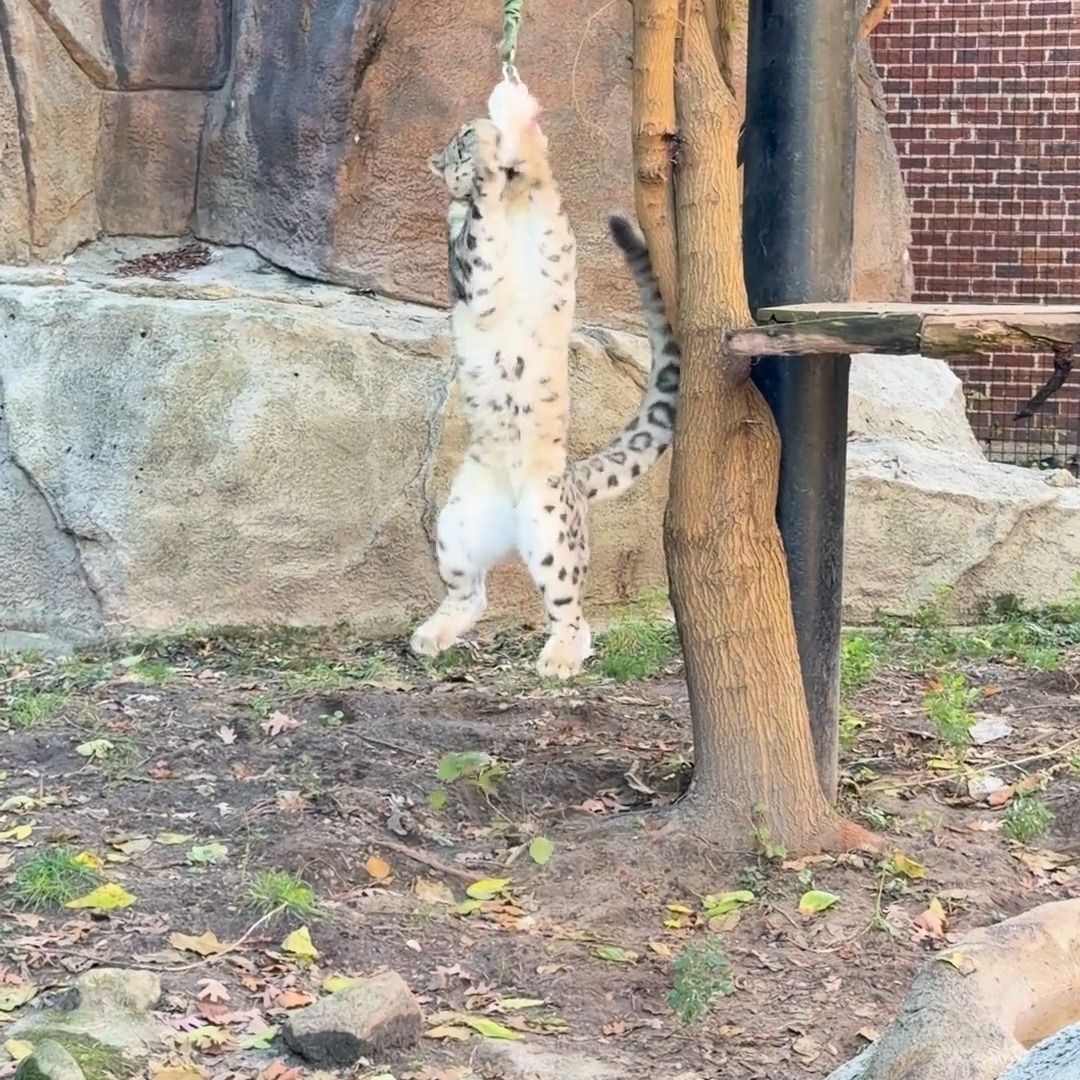
🦃 When you spot the last slice of pumpkin pie at the Thanksgiving table… 👀🍰
Taza’s got his game face on!
Happy Thanksgiving from all of us (and our big cats) at Potter Park Zoo. 💚
