
- The importance of butterflies in ecosystems
- The role of Audubon Insectarium’s Butterfly Garden in conservation
- Educational initiatives and interactive experiences for visitors
- Scientific research facilitated by Butterfly Gardens
- How to support butterfly populations in your backyard
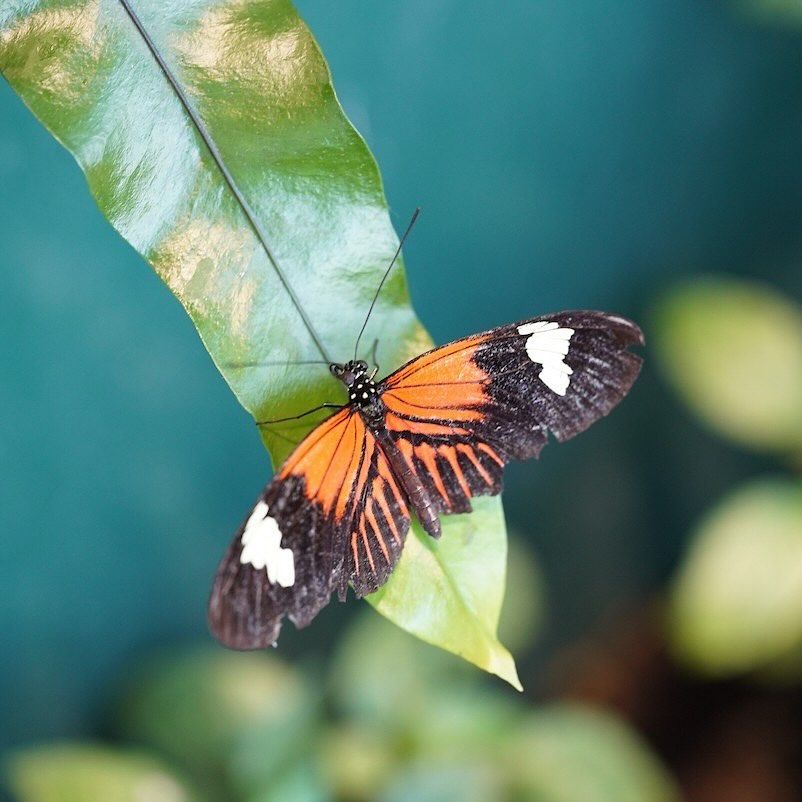
The flutter of butterflies in Audubon Insectarium’s Butterfly Garden feels like a sprinkle of pure magic in the air. Butterflies are not just beautiful creatures fluttering around; they play vital roles in our ecosystems. This article explores the importance of butterflies, focusing on how the Audubon Insectarium’s Butterfly Garden contributes to conservation efforts, education, and scientific research while addressing ways individuals can support butterfly populations at home.
Butterflies serve as crucial pollinators in many ecosystems, contributing to the reproduction of flowering plants. Over 80% of plant species rely on animal pollinators, which include butterflies, bees, and birds. The presence of butterflies indicates a healthy ecosystem, as they thrive in environments with clean air, adequate food sources, and abundant flora. The different stages of a butterfly’s life cycle—egg, larva (caterpillar), pupa (chrysalis), and adult—represent critical interactions within ecosystems. For instance, the caterpillars often serve as food for predators, thus forming an essential link in the food chain.
In the context of conservation, the Audubon Insectarium’s Butterfly Garden stands out as a valuable resource. This garden nurtures a myriad of butterfly species, helping to sustain both local and migratory populations. The garden showcases native species, which have adapted to local conditions and are essential for maintaining ecological balance. By cultivating these native butterflies, the garden promotes biodiversity, ensuring a more resilient ecosystem.
The garden not only focuses on butterflies, but also educates visitors about the habitats and flora supporting these insects. Through interactive displays and guided tours, the butterfly garden illustrates how various plants supply food and shelter for different butterfly species. Visitors can learn about the symbiotic relationships between plants and butterflies, which can lead to increased awareness of the need for habitat preservation.
The educational initiatives at the Audubon Insectarium are particularly noteworthy. With programs designed for students, families, and enthusiasts, the garden creates an engaging atmosphere for learning. Workshops and lectures delve into topics ranging from the butterfly life cycle to their ecological importance. Activities often include hands-on experiences, where participants can observe butterflies at various life stages. This interactive approach enhances understanding and fosters a connection between individuals and nature.
Moreover, the Audubon Insectarium collaborates with schools for educational outreach. Programs designed for classrooms focus on local biodiversity and the role of insects within ecosystems. By integrating butterfly studies into school curricula, educators encourage children to appreciate the environment. This effort fosters a new generation of environmental stewards who are more likely to engage in conservation practices.
Scientific research is another critical component of the Audubon Butterfly Garden. Researchers utilize the garden as a living laboratory to study various aspects of butterfly biology, behavior, and ecology. By collecting data on the life cycles of different species, scientists can analyze the impacts of climate change, habitat loss, and pollution on butterfly populations. Such studies contribute valuable information to broader conservation strategies and policies aimed at protecting these essential insects.
Additionally, the garden supports citizen science initiatives, allowing visitors to contribute to ongoing research. Programs such as butterfly counts enable enthusiasts to help gather data on butterfly populations and distributions. This community involvement not only increases scientific knowledge but also enhances public engagement with environmental issues. People participating in such activities develop a deeper understanding of biodiversity and the importance of conservation.
Individuals can also play a significant role in supporting butterfly populations in their backyard. Planting native flowers is one effective way to create a welcoming habitat. Native plants provide essential nectar sources for adult butterflies and serve as food for caterpillars. It’s important to choose a variety of species that bloom at different times to attract butterflies throughout the growing season. Creating a butterfly-friendly garden involves selecting the right plants and maintaining a pesticide-free environment. This practice allows for the natural balance of ecosystems, promoting healthier butterfly populations.
Moreover, providing water sources such as shallow bird baths or mud puddles can greatly benefit butterflies. Butterflies require water for hydration and minerals, which they obtain from moist soil and mud. Creating small, shallow areas in your yard where butterflies can safely access water encourages them to visit your garden.
Protection of existing habitats is equally essential. Support local conservation efforts aimed at preserving natural spaces where butterflies thrive. Engagement in community programs focused on habitat restoration can have a lasting impact on butterfly populations. By advocating for responsible land use and participating in clean-up efforts, individuals can contribute positively to local ecosystems.
In summary, the flutter of butterflies in Audubon Insectarium’s Butterfly Garden is not just a visual delight but a gateway to understanding the vital role these insects play in ecosystems and conservation. Initiatives focusing on education, research, and community engagement create a dynamic environment for learning and growth. Everyone has a part to play in supporting butterflies and fostering a healthy relationship with nature. Taking small actions in our own backyards can contribute to the conservation of these important pollinators, ensuring their survival for generations to come.
*****
Source Description
The flutter of butterflies in Audubon Insectarium’s Butterfly Garden feels like a sprinkle of pure magic in the air! 🦋
