
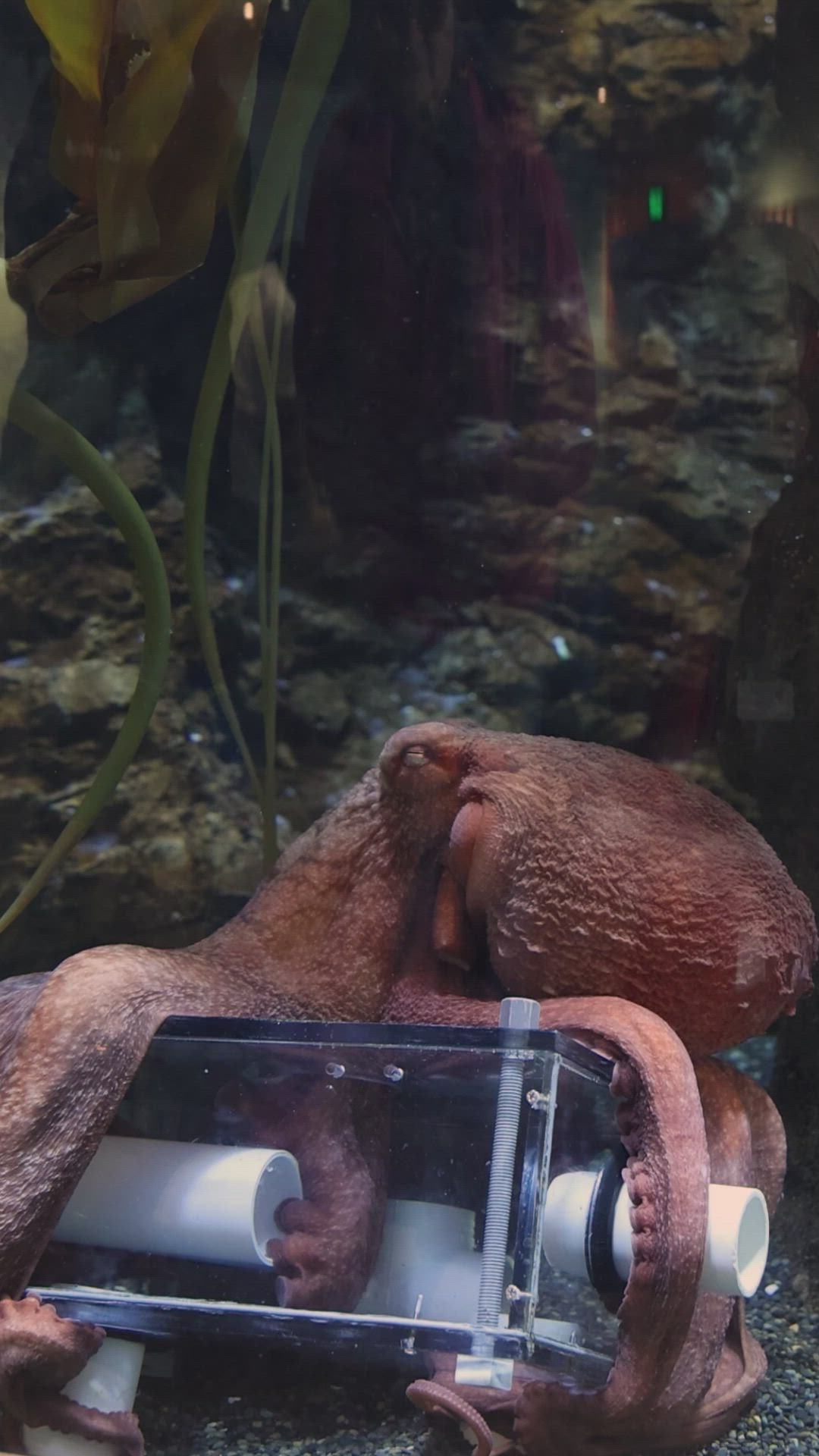
- Enrichment as a vital aspect of animal care at zoos and aquatic facilities
- Different types of enrichment and their impact on animal behavior
- Case study: Enrichment for octopuses, focusing on Odette
- The role of custom-made puzzles in enhancing feeding experiences
- Importance of continuous innovation in enrichment practices
Enrichment is essential in animal care, especially in zoos and aquatic facilities. It refers to various strategies and techniques used to enhance the living conditions of animals, promoting their physical and psychological well-being. Enrichment goes beyond mere habitat construction; it taps into the behavioral needs and instincts of animals, allowing them to express natural behaviors that would otherwise be stifled in captivity. This holistic approach is crucial for all animals, including aquatic species like octopuses.
Research shows that enriching environments can significantly enhance animal welfare. It addresses the problem of stereotypic behaviors—repetitive, non-functional actions often seen in animals housed in bare enclosures. By providing animals with mental and physical stimulation, caregivers can reduce stress levels and promote healthier lifestyles. Different types of enrichment can be deployed, including physical, social, sensory, and food-based, each serving distinct purposes that cater to an animal’s needs.
Physical enrichment involves incorporating structures that allow animals to climb, hide, and explore. In contrast, social enrichment considers the interactions between animals or between animals and humans. Sensory enrichment might involve providing novel smells or sounds, while food-based enrichment often involves challenging animals to find or solve puzzles for their food, encouraging instinctual foraging behaviors.
Focusing on octopuses, like our resident marine creature Odette, demonstrates how tailored enrichment can promote natural behaviors. Octopuses are known for their intelligence and problem-solving abilities. Without proper stimulation, they may exhibit stress-like behaviors. At our facility, we prioritize creating engaging environments designed specifically to meet the diverse needs of these fascinating cephalopods.
Odette benefits from several forms of enrichment, particularly food-related activities. One significant aspect of her care is the implementation of custom-made puzzles. These puzzles compel her to interact with her environment actively. Unlike simple feed bowls, these innovative feeding devices require her to figure out how to access her food, stimulating her curiosity and intelligence. As she navigates the puzzle, Odette engages in problem-solving, a behavior intrinsic to her species, thereby reducing stress and encouraging overall well-being.
Observations show that when octopuses face challenges, their natural curiosity is piqued. The puzzles are designed to prevent food from being easily obtained, mimicking the natural foraging behaviors found in the wild. In her aquatic habitat, Odette explores these puzzles with enthusiasm. The intellectual challenge not only provides nutritional value but also engages her in mental exercise, ultimately contributing to her emotional satisfaction.
The adaptive nature of puzzles used for enrichment allows for variety and unpredictability. Caregivers can continue to change the complexity and type of puzzle offered, keeping Odette intellectually stimulated. For example, caregivers might start with a simpler puzzle and gradually introduce more complex designs over time. This incremental approach helps maintain her interest and encourages ongoing exploration.
Innovation drives the evolution of enrichment practices. New materials and designs expand the possibilities for animal engagement. As knowledge about animal behavior grows, institutions implementing these strategies can continually adapt and improve their methods. Collaborating with experts in animal behavior and psychology helps refine these practices, ensuring that the enrichment provided stays relevant and beneficial.
In addition to puzzles, our facility focuses on other forms of enrichment for Octopus vulgaris, including varied textures in her environment. Installing substrates that mimic natural habitats, like rocks and coral, encourages exploration and burrowing behavior. Furthermore, the introduction of items like floating objects can stimulate swimming behaviors, enhancing her physical health.
Understanding the diverse needs of animals within a facility is critical for effective enrichment. For Odette and her fellow octopuses, regular assessments help caregivers evaluate which forms of enrichment offer the most value. These assessments are based on observation of behaviors before and after enrichment activities, allowing staff to collect data that informs future decisions.
The role of multiple caregivers also cannot be overlooked. By observing Odette, multiple staff members can contribute insights into her preferences and behavioral changes. This collaborative approach is fundamental in shaping effective enrichment practices. Staff members regularly discuss their findings, allowing for a comprehensive understanding of Odette’s needs.
In addition to octopuses, enrichment efforts extend to diverse marine life within the facility. For species ranging from tropical fish to sea turtles, creating engaging environments is paramount. Each species presents unique challenges and behaviors that must be understood and addressed. For instance, some fish species thrive in schools, requiring social enrichment to facilitate natural interactions.
Similar principles apply to conservation efforts. Enrichment also encourages visitors to engage with animals in a meaningful way, fostering a deeper understanding and appreciation of marine life. Educational opportunities arise when guests witness the manifestations of enrichment, like Odette solving a puzzle or a turtle navigating an aquatic maze. These experiences underline the importance of protecting natural habitats and encourage stewardship of our oceans.
The confluence of scientific understanding and innovation in animal care practices markedly enhances the quality of life for captive animals. Research is ongoing, exploring new methods to provide even more enriching experiences for animals in our care. Advances in materials, technology, and behavioral science inform these enrichment efforts.
Moreover, collaboration between facilities and research institutions helps in disseminating best practices across the board. This outreach ensures that humane and effective practices become widely adopted, benefiting animals in zoos and aquariums worldwide. The larger conversation about animal welfare incorporates enrichment practices into broader conservation messages that resonate with diverse audiences.
Ongoing education about animal welfare and enrichment is instrumental for the staff at our facility. Training programs empower caregivers with the tools necessary to implement and adapt enrichment strategies. Knowledge-sharing events, workshops, and seminars contribute to a culture of continuous improvement, fostering an environment of innovation.
Enrichment is not static; it requires attention and creativity. Institutions must become proactive in regularly assessing and revising enrichment strategies. As we learn more about different species, including octopuses like Odette, our capabilities for enhancing animal welfare will only improve.
The continuous commitment to enriching experiences leads to healthier, happier animals. In turn, the joy of witnessing such vibrant creature behavior amplifies the mission of wildlife conservation. Providing animals with environments that contribute positively to their lives benefits not only the creatures themselves but enriches the experiences of all who encounter them.
Engaging with animals in a meaningful way draws attention to global biodiversity issues and highlights the importance of marine conservation. Education around enrichment sparks conversations around the responsibility of humans to care for all life forms. By witnessing the natural behaviors encouraged through enrichment, visitors are more likely to become advocates for wildlife preservation.
Ultimately, the enrichment practices we implement, from custom-made puzzles for Odette to collaborative caregiver observation, align with a broader commitment to animal welfare. These efforts reflect an understanding that healthy, psychologically enriched animals contribute to the success of conservation initiatives. By prioritizing the needs of our animals, we foster an environment where both animals and people can thrive together. Through innovation, education, and compassion, we further the important mission of wildlife care and conservation.
*****
Source Description
Enrichment is an important part of how we care for our animals at the Even aquatic animals like Odette 🐙 need enrichment to encourage natural behaviors.
We have custom made puzzles, like the one shown here, to make feeding time more enriching for our octos.
