
- The background and significance of mountain lion conservation
- Details on the care and rehabilitation of Crimson the mountain lion cub
- The importance of play and physical development for young mountain lions
- Insights into wildlife rehabilitation practices and challenges
- The need for public awareness and education in wildlife conservation
The background and significance of mountain lion conservation begins with the critical role these animals play in their ecosystems. Mountain lions, also known as cougars or pumas, are apex predators, meaning they occupy the top of the food chain. They help regulate the populations of herbivores and smaller predators, maintaining a balance that is vital for healthy ecosystems. However, various factors threaten their survival. Habitat loss, hunting, and vehicle collisions have led to declining populations.
Conservation efforts are essential to protect these majestic animals and their habitats. Awareness campaigns, community education, and wildlife corridors are strategies utilized to mitigate conflicts between humans and mountain lions. The plight of mountain lions, including those like Crimson, highlights the need for ongoing efforts in wildlife conservation.
Details on the care and rehabilitation of Crimson the mountain lion cub reflect best practices in wildlife rehabilitation. Now under the attentive care of trained staff, Crimson receives specialized feeding schedules. Bottle feeding every four hours is crucial for maintaining his health and supporting proper growth. As he continues to develop, staff members have started introducing meat puree into his diet. This gradual transition helps familiarize him with solid food, encouraging natural foraging behaviors expected in a wild mountain lion.
Crimson’s young age presents various developmental challenges, particularly given his missing toes. These physical adaptations require careful observation and different approaches to rehabilitation. The staff is implementing targeted exercises to support his motor skills. Each small step he takes is celebrated as part of his journey towards independence.
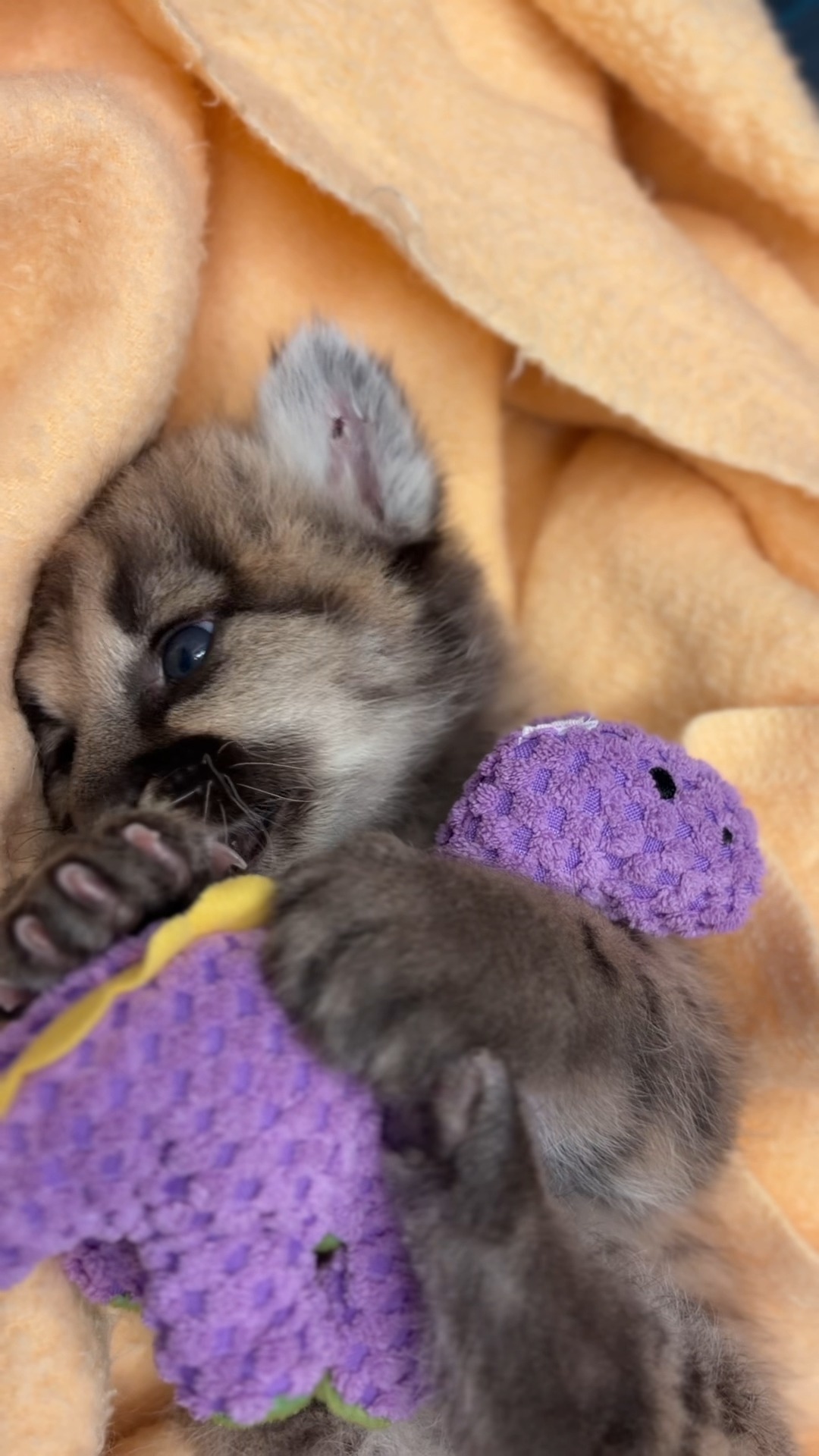
The importance of play and physical development for young mountain lions cannot be overstated. For animals like Crimson, playtime is integral to learning the essential skills they will need in the wild. His purple dinosaur, while seemingly a simple toy, serves a significant purpose by encouraging instinctual behaviors. Activities such as stalking, pouncing, and engaging in playful wrestling are vital for his social and physical development. These experiences build muscle strength and coordination, which are imperative for a diverse range of hunting techniques as he matures.
Insights into wildlife rehabilitation practices showcase the complexities involved in caring for animals like Crimson. Rehabilitation centers often face the challenge of balancing the animal’s physical needs with behavioral upbringing. Successful rehabilitation requires a team of skilled wildlife care experts who can observe and interpret animal behaviors accurately.
Mounting research underscores the psychological benefits of environmental enrichment. Keeping animals mentally stimulated helps to alleviate stress and fosters healthy coping mechanisms. This is crucial for a young cub still adjusting to human care after being orphaned or abandoned. Engaging in various activities mimics natural behaviors, ensuring that rehabilitated animals have the skills necessary for survival when released back into the wild.
The need for public awareness and education regarding wildlife conservation is more pressing than ever. With urban expansion and environmental degradation, many individuals are unaware of the challenges that mountain lions face. Increased education can lead to greater community involvement in conservation efforts. By sharing stories like that of Crimson, rehabilitation centers can inspire individuals to advocate for wildlife protection and habitat restoration.
Moreover, educating the public about responsible coexistence with wildlife can play a pivotal role in reducing human-animal conflicts. For example, understanding mountain lion behavior can help residents develop strategies to avoid dangerous encounters, thereby protecting both the animals and the community.
In addition to raising awareness, wildlife organizations actively collaborate with researchers to gather data on mountain lion populations. Information on their movements, mating behaviors, and dietary needs informs conservation strategies. These research initiatives are invaluable, enabling conservationists to make data-driven decisions that directly impact mountain lion populations and habitats.
Federal and state agencies often partner with nonprofits to develop wildlife management plans that include habitat preservation and connectivity corridors. These corridors allow wildlife, including mountain lions, to traverse landscapes divided by roads and human settlements. Such measures facilitate genetic diversity, which is essential for healthy populations.
Importantly, rehabilitated animals require ongoing observation and support even after they leave the care of wildlife hospitals. Tracking released individuals provides data on their survival rates and activities. This ongoing research helps refine future rehabilitation practices and informs conservation strategies across the species’ range.
Crimson’s journey illustrates the concerted efforts involved in wildlife rescue and education. Each step forward in his rehabilitation represents not only progress for him as an individual but also reinforces the importance of continued conservation action. Personal stories resonate more deeply with the public, encouraging support for conservation initiatives.
Furthermore, the enthusiasm of the staff and volunteers in rehabilitation centers is key to fostering a positive environment for animals in care. Their dedication goes beyond medical treatment; it also involves socializing and emotional support, essential aspects of rehabilitation. With ongoing training and education, caregivers are equipped to meet the unique needs of each animal.
Volunteers often play an integral role in wildlife rehabilitation, contributing time and resources to support the care of animals like Crimson. Their passion helps facilities manage the significant workload associated with caring for injured or orphaned wildlife. Training opportunities for volunteers emphasize animal husbandry and conservation education, enhancing their skills and knowledge.
As Crimson grows stronger and more autonomous, his rehabilitation journey will continue to serve as a powerful reminder of the resilience of wildlife. Every aspect of care, from diet to playtime, contributes to his development into a healthy mountain lion capable of thriving in the wild. The collective effort of the rehabilitation center staff, volunteers, and supporters underscores the importance of community involvement in wildlife conservation.
Crimson’s story transcends a singular narrative; it represents a growing movement toward greater respect for wildlife and the ecosystems they inhabit. Conservation is not merely a localized concern but an issue with global implications that necessitate collaboration across myriad stakeholders.
Mountain lion conservation is integral to preserving biodiversity and maintaining the health of ecosystems. Their continued existence hinges on the commitment of individuals and organizations dedicated to fostering awareness and implementing strategic conservation measures. Crimson’s ongoing recovery and development illuminate a path forward in this vital field.
By focusing on individual stories like Crimson’s, conservationists can draw attention to broader issues of wildlife management and environmental stewardship. Engaging the public not only facilitates support for specific animals but also galvanizes efforts to protect entire ecosystems, ensuring a harmonious future for both wildlife and human populations.
*****
Source Description
Crimson CUBdate:
Crimson the rescued mountain lion cub continues to improve. Staff members are bottle feeding him every 4 hours, and, starting to introduce meat puree for him to taste test, so he can start learning to eat from a dish.
He’s still very young and has been learning to walk fully standing. It’s taking him a little extra effort with his missing toes, but he’s getting the hang of it!
Crimson’s little purple dinosaur may look like just a toy, but it actually helps him learn to stalk, pounce, and play— all behaviors we want to see in a developing young puma.
📸: Keeper Nikki
