
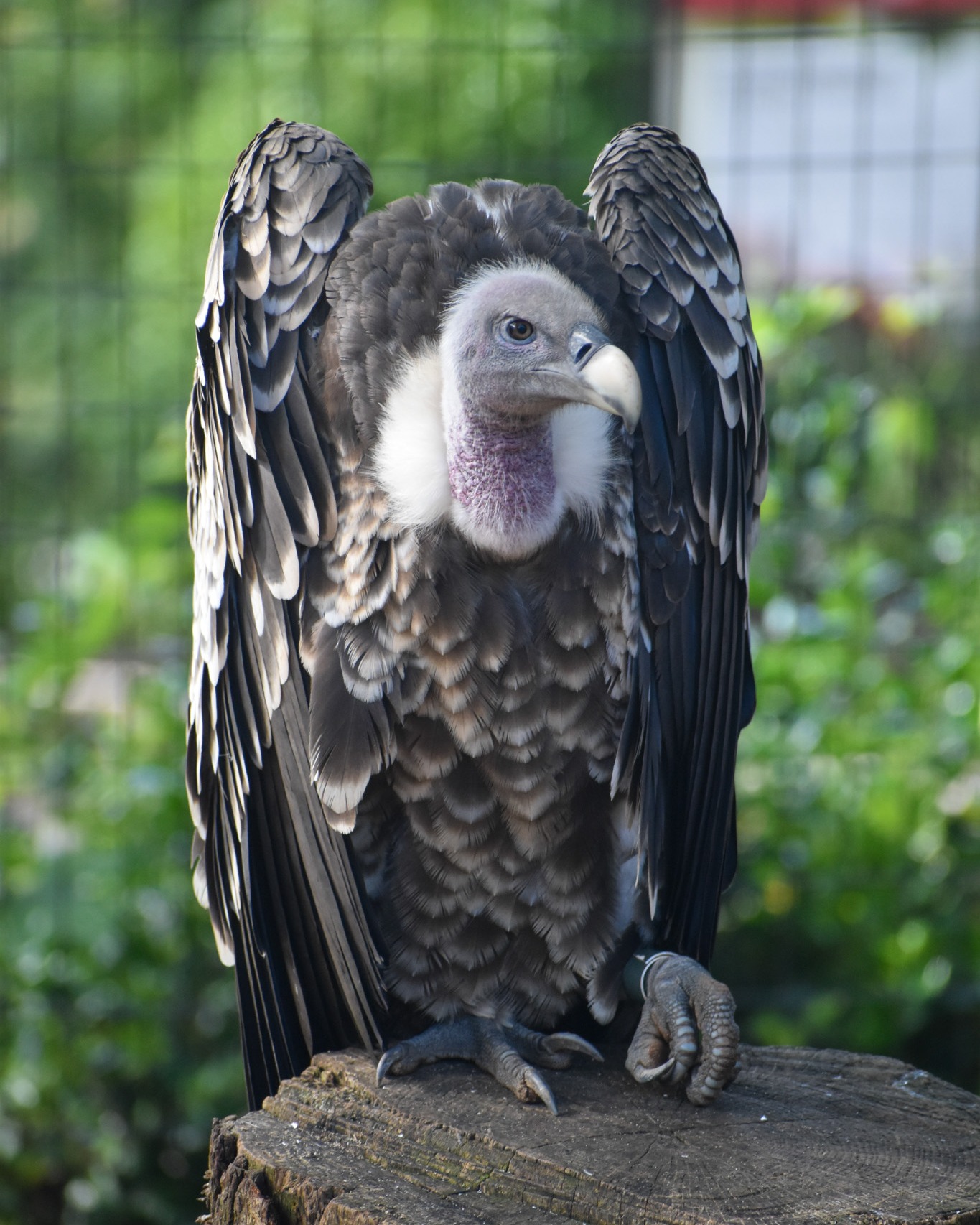
- Vultures as nature’s clean-up crew
- The ecological importance of vultures
- Threats to vulture populations
- Conservation efforts for vultures
- The impact of vultures on human health and safety
Vultures play a crucial role in maintaining the cleanliness and health of ecosystems worldwide. Often overlooked, these birds serve as nature’s clean-up crew, efficiently disposing of dead animals. By consuming decaying carcasses, vultures help to prevent the spread of disease within animal populations and reduce potential health hazards for humans. Their absence can lead to several ecological and sanitary complications.
The ecological importance of vultures is extensive. As scavengers, they are specially adapted to feed on carrion, which is a vital part of their diet. Vultures possess extraordinary digestive systems that can neutralize harmful bacteria and diseases found in decaying flesh. For example, studies have shown that the stomach acids of vultures are highly acidic, allowing them to safely consume carcasses that would otherwise pose serious health risks. This unique adaptation highlights their role in the ecosystem as recyclers of nutrients, turning dead animals into energy for other wildlife.
By breaking down organic matter, vultures return nutrients to the soil, enhancing the overall health of their habitat. This nutrient cycling supports various plant species and, in turn, affects animals higher up the food chain. Without vultures, the consequences would be severe, as dead animals would accumulate, providing breeding grounds for disease-carrying pests. This chain reaction can disrupt entire ecosystems, demonstrating the interconnectedness of all species and the importance of each member within an ecological community.
Despite their vital role, vultures face significant threats that jeopardize their populations. Habitat loss, poisoning, and hunting are leading causes of the decline in vulture numbers around the globe. Urbanization and agricultural expansion fragment their natural habitats, depriving them of essential foraging areas. Additionally, the widespread use of poison to control pest populations often inadvertently harms vultures. These birds are particularly susceptible to poisons like diclofenac, which, while effective for livestock, is lethal to vultures that consume contaminated carcasses.
The plight of vultures has garnered attention in recent years, prompting various conservation efforts aimed at safeguarding these essential scavengers. Several organizations and initiatives work to rehabilitate injured vultures, reduce poisoning incidents, and promote public awareness about their ecological roles. Education campaigns have been implemented to inform communities about the importance of vultures and encourage practices that protect them. Conservationists advocate for the establishment of safe zones where vultures can feed without the risk of poisoning from livestock carcasses.
Legislation also plays a vital role in vulture conservation. In some countries, legal protections have been put in place to prevent the hunting and harming of vultures. Laws banning the use of harmful veterinary drugs in livestock, combined with efforts to create vulture restaurants—designated feeding stations where vultures can safely consume carrion—have shown promise in stabilizing declining populations. These initiatives not only provide food for vultures but also create opportunities for ecotourism, benefiting local economies.
The impact of vultures extends beyond ecological health; they also play a critical role in protecting human health and safety. By consuming carrion, vultures significantly reduce the risk of disease outbreaks related to decomposing animals. For instance, they were found to be effective in controlling rabies by eating infected carcasses that could harbor the virus. This natural service limits the number of disease vectors, such as rats or insects, that might proliferate in the absence of vultures.
In countries where vulture populations have plummeted, the increase in carcasses has led to undesirable consequences. Increased rodent populations, which can transmit diseases like leptospirosis and hantavirus, have become more common. The presence of these pests poses immediate threats to human populations, making vultures essential not only for ecosystem balance but also for public health. In areas experiencing economic hardships, the loss of vultures can lead to additional economic challenges linked to healthcare costs arising from disease outbreaks.
Understanding vultures and their ecosystem roles harbors significant implications for wildlife conservation. Making informed decisions to protect these birds is vital for sustainability. Individuals can contribute by supporting conservation organizations and participating in awareness campaigns. Simple actions, such as advocating against the use of toxic substances and promoting habitat preservation, can lead to notable improvements in vulture populations.
By valuing the role of vultures as nature’s clean-up crew, communities can foster healthier environments. As public perception of these birds transforms, the protection and appreciation of vultures will likely increase. Ensuring their existence is essential for our planet’s health, and by coming together to safeguard vultures, we create a foundation for a balanced ecosystem.
Efforts to monitor vulture populations are essential for assessing the success of conservation strategies. Tracking and studying vulture habits provide valuable insights into their behavior, migration patterns, and habitat use. This information is vital for adapting conservation tactics as necessary, ensuring that interventions are effective and based on current data. Involving local communities in monitoring activities fosters a deeper connection to nature and encourages stewardship among younger generations.
Prominent species such as the Indian Vulture, which has faced drastic population declines, exemplify the urgent need for robust conservation measures. Their status serves as a call to action for wildlife managers and policymakers alike. Collaborative frameworks that engage various stakeholders, including government agencies, conservation organizations, and local communities, can bring about effective change.
The interdependence observed in ecosystems underscores the need for holistic approaches to conservation. Protecting vultures ultimately contributes to broader biodiversity goals. Each step taken to conserve vultures reflects an investment in the health of entire ecosystems. Educating the public about their ecological benefits promotes respect and admiration for these often-misunderstood birds.
In many cultures, vultures are seen in a negative light; this perception poses challenges for conservation. Awareness campaigns that highlight their critical ecological functions can mitigate misconceptions and foster a positive image. By portraying vultures as heroes rather than harbingers of doom, wildlife advocates can reshape narratives that often contribute to harmful behaviors towards these birds.
Numerous scientific studies reinforce the imperative for vulture conservation. Research shows that scavenger birds like vultures have a vital economic value by preventing diseases and reducing the financial burden associated with health care. Thus, investing in vulture conservation is not just an environmental issue but also an economic consideration. Developing partnerships with local governments and health organizations can create comprehensive strategies that address these overlapping challenges.
Promoting species diversity extends beyond just protecting vultures; it necessitates a broader understanding of ecosystem dynamics. By preserving vultures and their habitats, we also support a multitude of other species that share their environment. The benefits of such efforts trickle down through food webs, affecting plants and animals alike.
Vulture conservation can significantly contribute to achieving global sustainability goals. As threats to our environment escalate, the preservation of biodiversity becomes crucial for the resilience of ecosystems. Vultures exemplify nature’s intricate balance, underscoring the importance of every living creature within the thread of life on Earth. Making strides in their protection supports a healthier planet for ourselves and future generations.
The increasing awareness and advocacy surrounding vultures highlight a growing understanding of their value in ecosystems. Vulture populations can serve as indicators of the health of an ecosystem; fluctuations in their numbers often signal broader environmental issues. Monitoring their status can thus provide insight into the ecological well-being of various regions.
By fostering a culture of conservation and building supportive conservation networks, we can maintain healthy vulture populations. The dedicated efforts of individuals and organizations across the globe reinforce the need for continued vigilance against the threats vultures face. Together, society can strive to enhance awareness of vultures’ ecological roles and the ways in which they contribute to healthier, more sustainable environments.
Promoting a narrative that emphasizes the importance of vultures not only aids in their conservation but also inspires a deeper appreciation for wildlife as a whole. Supporting vultures ultimately contributes to a cleaner, more balanced world. Understanding their vital contributions enables individuals to engage in the larger dialogue surrounding environmental stewardship. Vultures are essential to maintaining ecosystems, and recognizing that truth fosters urgency in preserving their legacy.
*****
Source Description
Happy
Did you know vultures are vital to keeping our ecosystems clean and healthy? Acting as nature’s clean-up crew, they feed on animal carcasses, which helps reduce the spread of deadly diseases!
