
- Importance of National Vulture Awareness Day
- The ecology and behavior of King Vultures
- The role of vultures in disease control and ecosystem health
- Conservation efforts and challenges facing vultures
- How individuals can contribute to vulture conservation
National Vulture Awareness Day serves as a crucial reminder of the vital role that vultures play in our ecosystems. Established to educate the public about these often-misunderstood birds, this day emphasizes the importance of appreciation and understanding of vultures, including species like the King Vulture. Gaining insights into the behavioral patterns, ecological significance, and conservation efforts can help shift public perception and encourage support for vulture preservation.
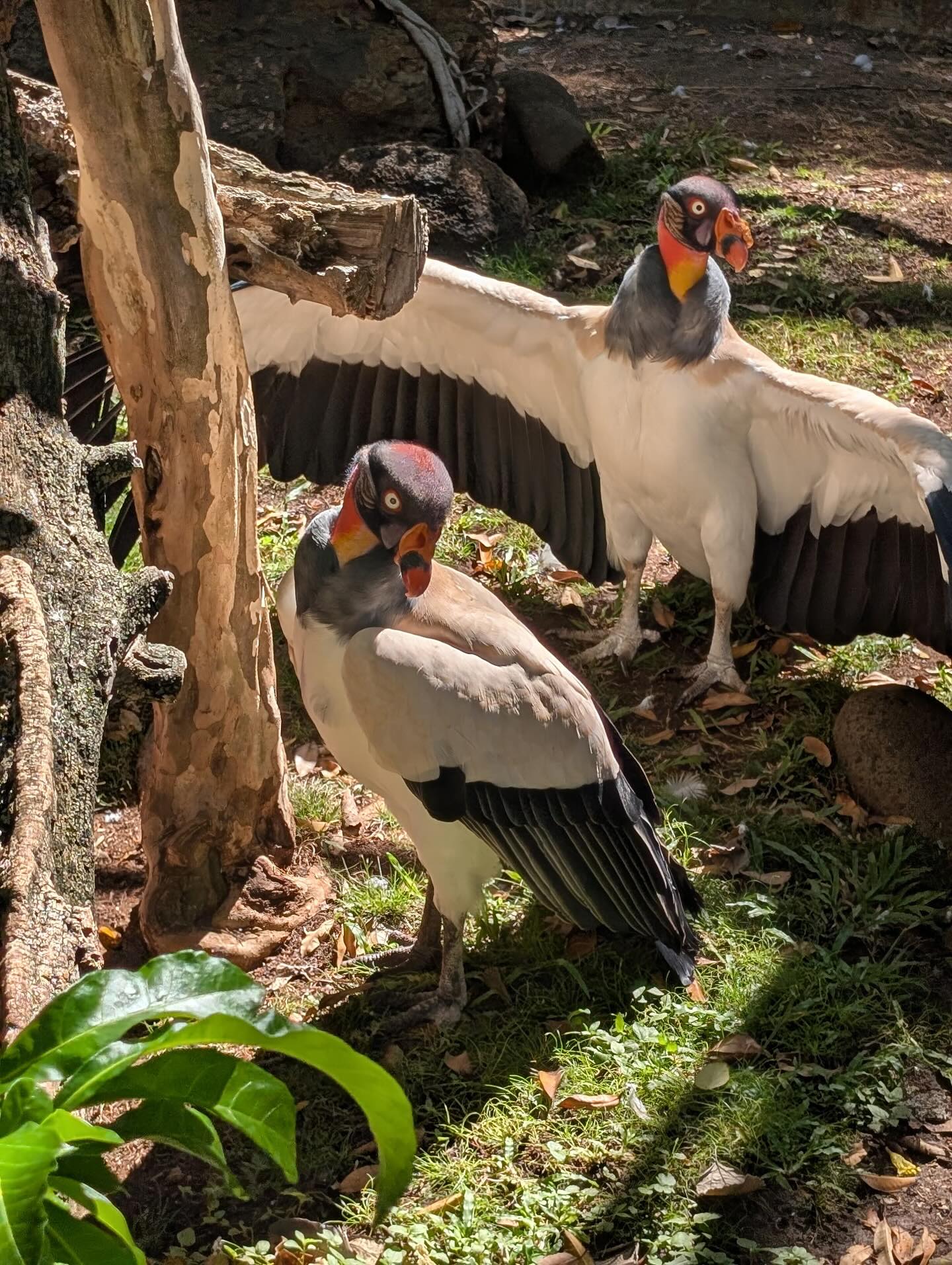
King Vultures, native to the tropical forests of Central and South America, are among the most striking members of the New World vulture family. With a wingspan reaching up to seven feet, they stand out not only for their size but also for their vividly colored, bald heads. These colors—vibrant shades of orange, red, and purple—become particularly bright during mating season. Their appearance is not simply for show; it plays a role in their social signaling and reproductive behaviors. Observing Cleo and Joe, the King Vultures at the Honolulu Zoo, provides a unique opportunity to appreciate these spectacular birds in a controlled environment, while also learning about their natural history.
The significance of vultures extends far beyond their appearance. These birds function as nature’s sanitation workers, consuming carrion and helping to regulate ecosystems. By enforcing the natural cycle of life and death, vultures prevent the spread of diseases that can occur when animal carcasses decay. Their powerful beaks allow them to access tougher carcasses that other scavengers might not be able to penetrate. This characteristic is essential for breaking down organic material and allowing for the return of nutrients to the soil, which in turn benefits plants and the animals that rely on them.
Vultures, including the King Vulture, boast remarkable adaptations that enhance their scavenging efficiency. Their keen eyesight enables them to spot carrion from great heights, while their strong digestive systems can handle harmful bacteria and toxins present in decaying flesh. This ability also means that vultures rarely succumb to diseases that would be fatal to other animals. The role vultures play in the food chain exemplifies the interconnected nature of ecosystems: a balanced and healthy environment depends on the presence of scavengers like them.
Despite their ecological importance, vultures face numerous challenges that threaten their survival. Habitat loss, poisoning from toxic substances, and human-wildlife conflicts have led to declines in vulture populations globally. In some regions, vultures are mistaken for pests and are intentionally harmed by farming communities seeking to protect livestock. Efforts to address these challenges are underway, but they require concerted action from governments, conservation organizations, and the public.
Conservation efforts targeted at vultures can take several forms. Education plays a central role, as raising awareness about their ecological importance can alter public perception and foster support for protective measures. For instance, National Vulture Awareness Day aims to inform communities about vultures’ roles in disease prevention and ecosystem health, thereby encouraging protective behaviors. Additionally, collaborative efforts among conservation organizations help monitor vulture populations and implement habitat protection initiatives.
Involvement of local communities is crucial for effective conservation strategies. When local populations understand the benefits vultures bring to their environment, they are more likely to support conservation measures. Community-led initiatives can include establishing protected areas, promoting vulture-friendly agricultural practices, and reducing the use of poisons that inadvertently affect scavengers.
Individuals can also play a significant role in vulture conservation efforts. Simple actions such as advocating for wildlife-friendly policies, participating in local conservation activities, and supporting organizations dedicated to animal welfare can contribute to sustaining vulture populations. Whether volunteering at a wildlife center, educating others about vultures, or contributing to habitat preservation projects, every action counts in creating a healthier environment for these birds.
Restoration projects have been initiated globally, and these efforts aim to stabilize and grow vulture populations. Sanctuaries often provide safe spaces for rehabilitated birds and those unable to thrive in the wild. Breeding programs can also help boost genetic diversity among dwindling populations, giving them a better chance of surviving in the wild.
The significance of vultures in maintaining ecological balance cannot be overstated. By reducing carrion and facilitating nutrient cycling, they contribute to healthier ecosystems. National Vulture Awareness Day is not just a celebration; it’s a clarion call for awareness and advocacy. Meeting Cleo and Joe in the Honolulu Zoo highlights the opportunity to witness the magnificence of these birds up close, transforming the way we view them from distant creatures to essential members of our environment.
As we observe National Vulture Awareness Day, let us remember the lessons these birds teach us about interconnectedness. Every species on our planet plays a role, no matter how unusual it may seem. Promoting awareness about vultures is a step towards realizing conservation goals. Through education, community involvement, and legislative support, we can all take part in ensuring that vultures continue to thrive in our ecosystems.
Awareness leads to action, and as more individuals become informed about the plight facing vultures, the greater the push for change. It’s critical to recognize that the conservation of vultures is not merely an environmental issue; it is a health issue, an agricultural issue, and a moral obligation to protect the incredible diversity of life we share this planet with. The future of vultures, like that of many species, hangs in the balance, and it requires collective effort and understanding to create a sustainable environment for all living creatures.
By taking the time to appreciate and recognize the role of vultures in our ecosystems, we foster a deeper connection to the natural world. This awareness can inspire further critical thinking about our relationship with wildlife and the steps necessary to protect our planet’s biodiversity. National Vulture Awareness Day encourages everyone to champion these often-overlooked birds, ensuring they receive the recognition they deserve.
*****
Source Description
🪶National Vulture Awareness Day🪶
Today, we’re spotlighting two truly unique residents of the Honolulu Zoo—Cleo and Joe, our King Vultures!
King Vultures are native to the tropical forests of Central and South America. They are easily recognized by their bald, vividly colored heads, displaying striking shades of orange, red, and purple that become even brighter during mating season. Their wingspan can stretch up to seven feet, making them one of the largest New World vultures.
While often misunderstood, vultures are vital to the health of their ecosystems. They help prevent the spread of disease by consuming carrion, essentially acting as nature’s sanitation team. The King Vulture has a powerful beak—so powerful, in fact, that it can tear into tougher carcasses that other scavengers can’t access, helping open food sources for smaller species.
Cleo and Joe are ambassadors for their wild counterparts and remind us that every species—no matter how unusual—plays a critical role in the natural world.
Visit us to learn more about these fascinating birds and their power in keeping ecosystems clean and balanced. 💚
