
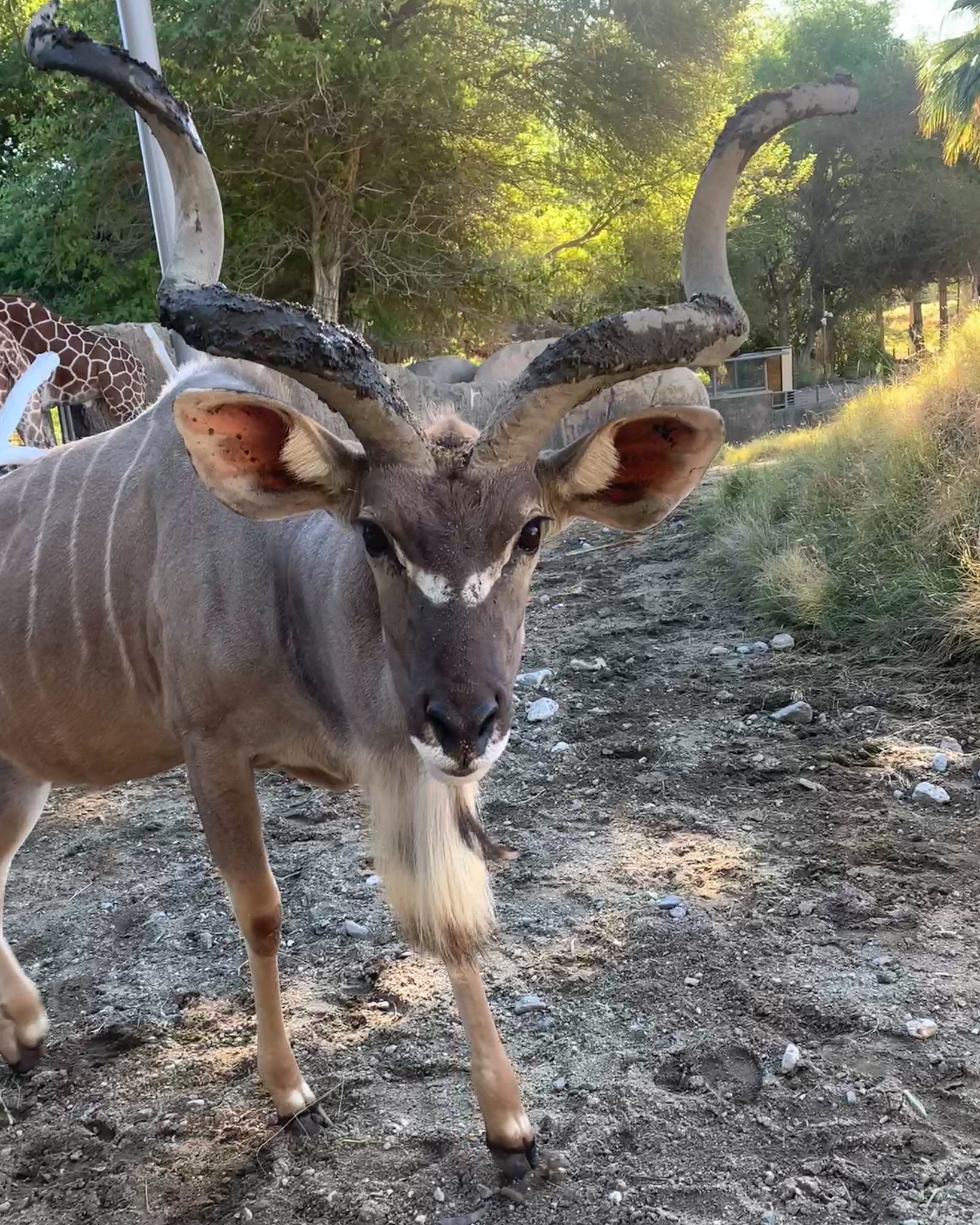
- The adaptive features of greater kudus in their desert habitat
- The role of environmental factors in wildlife behavior and health
- Strategies for wildlife conservation focusing on species like the greater kudu
- The significance of mud wallows in animal health and behavior
- The relationship between biodiversity and ecosystem stability
The greater kudu, scientifically known as Tragelaphus strepsiceros, is an impressive antelope known for its striking appearance and robust adaptability. These animals inhabit various environments across eastern and southern Africa, especially in scrublands and dry thickets. A common behavior exhibited by greater kudus is their affinity for mud wallows. While some might say, “Crush didn’t choose the mud life, the mud life chose him,” this phrase avails deeper insights into how mud plays a critical role in their survival.
Adaptations are key to the success of any species, particularly in harsh environments. The greater kudu has developed several traits to thrive in its arid habitat. Their long legs and large ears help facilitate both agility and acute hearing, which are essential for detecting predators. These adaptations suggest that evolution is finely tuned to the specific challenges presented by their surroundings. One such challenge is the intense heat of the desert, which is where mud wallows become significantly advantageous.
When kudus wallow in mud, they achieve more than mere indulgence in a cooling substance. The mud acts as a natural air conditioning system, effectively lowering their body temperature during extremely hot weather. This behavior reduces their energy expenditure, allowing them to conserve water and feed more efficiently, crucial elements for survival in arid landscapes. Additionally, the mud forms a protective layer on their skin, serving as an effective barrier against insects like flies. Insects can cause irritation and lead to infections if cattle or wildlife are not adequately protected, thereby stressing the necessity of wallowing.
Environmental factors wield considerable influence over the behavior and health of wildlife. In the case of greater kudus, the seasonal changes in their habitat significantly affect their well-being. During the dry season, the availability of food and water dwindles. This scarcity compels greater kudus to adopt specific behaviors, such as migrating toward areas where resources are more abundant. Monitoring these seasonal patterns becomes vital for wildlife conservationists, as they can help predict and mitigate the risks posed to these animals.
Wildlife management has increasingly shifted toward sustainable conservation strategies that prioritize the unique behaviors of specific species. The greater kudu, as a keystone species, plays a vital role in sustaining the ecosystems they inhabit. Their grazing habits encourage the growth of various plant species. As they consume certain plants, they allow less competitive species to thrive, thereby fostering biodiversity. Conservation efforts must focus on preserving the natural habitats that support diverse wildlife.
The challenges facing wildlife conservation are many, from habitat loss due to urbanization to climate change affecting water supplies. Greater kudus, like other wildlife, face the consequences of these changes. Effective conservation undertakings require collaboration between governments, NGOs, and local communities to implement regulatory frameworks that safeguard critical habitats.
Mud wallows, a hallmark of the greater kudu’s lifestyle, also encourage ecosystem interdependence. Various creatures depend on these wallows for different reasons. The deposition of nutrients from animals in these areas boosts soil fertility, allowing varied plant species to flourish. In this way, kudus, by wallowing, support not just their health but also the larger environmental community, highlighting the intricate ties within ecosystems.
Understanding these relationships enhances the overall management of wildlife resources. Conservationists use the concepts of habitat fragmentation and biodiversity to address challenges. A diverse habitat supports a variety of life forms, leading to a more resilient ecosystem. The greater kudu exemplifies this interconnectedness, as their presence can indicate the overall health of the environment. This understanding allows for a more encompassing approach to ecological preservation.
The importance of mud in the lives of greater kudus and other wildlife cannot be overstated. Mud acts as a biological barrier, protecting animals from insects while allowing them to regulate body temperature effectively. When these animals engage in wallowing, they are not just indulging; they are participating in a survival strategy that has evolved over millennia.
Wildlife conservation efforts must also consider the socio-economic factors influencing communities living near these animals. Local populations often rely on natural resources for their livelihood. The challenge lies in striking a balance between conservation and community engagement. By empowering local communities through education and sustainable practices, conservation initiatives can ensure the survival of species like the greater kudu while fostering socio-economic development.
Understanding the biological and ecological significance of the greater kudu enhances our approach to wildlife conservation. As natural habitats face ongoing degradation, the lessons learned from these animals can inform better practices that prioritize ecosystem sustainability. Strategies should include habitat restoration projects and supportive policies to prevent encroachment upon vital areas for species like the greater kudu.
Engagement with the public also plays a vital role. Raising awareness about the importance of species like the greater kudu can mobilize support for conservation initiatives. Educational programs about their habits, habitat, and role within the larger ecosystem can inspire a deeper appreciation for wildlife. Collaborative efforts at the community level can lead to grassroots initiatives that resonate with local priorities.
The complex interplay between wildlife and their habitats necessitates a multi-faceted approach to conservation. The greater kudu’s affinity for mud helps underscore this necessity. As they adapt to arid conditions, their behaviors offer insights into broader ecological processes. Recognizing the value of each species within an ecosystem allows conservationists to craft effective strategies that promote biodiversity and maintain ecological balance.
Conservation efforts aimed at ensuring the longevity of species like the greater kudu hinge on the scientific understanding of their needs and behaviors. High-quality research must continue to inform management practices, with a strong emphasis on adaptive strategies in changing environments. By observing the relationships between mud wallows, animal health, and desert flora, conservationists can devise more robust programs to support wildlife.
Research on these animals must also focus on genetics, population dynamics, and behavioral adaptation. Studying greater kudus provides valuable data that can influence broader wildlife management frameworks. Understanding the specifics of their habitats and how these change over time can advance initiatives that prevent extinction and promote biodiversity conservation.
The relationship between mud wallows and the greater kudu serves as a compelling example of adaptation, ecological interaction, and conservation importance. As we continue to explore these aspects, the phrase, “Crush didn’t choose the mud life, the mud life chose him,” encapsulates a broader narrative about survival and adaptation shaped by environmental realities.
The significance of greater kudus extends beyond their individual survival strategies. Their existence intertwines with various ecological functions that support diverse biological communities. Supporting this species manifests in efforts to conserve their habitats and promote policies aimed at preserving biodiversity overall. Given their role as prey and a part of the herbivore community, safeguarding greater kudus can also protect other species, emphasizing the interconnected nature of ecosystems.
In navigating the complexities of wildlife conservation, it is imperative to consider all elements that contribute to the health and sustainability of ecosystems. The greater kudu stands as a vital symbol of these principles, showcasing how unique adaptive features allow species to thrive despite environmental challenges. Their legacy prompts a concerted effort to foster ecological harmony, ensuring that the mud life of the greater kudu continues to enrich the ecosystems they inhabit.
*****
Source Description
Crush didn’t choose the mud life, the mud life chose him. 🤎
That muddy layer helps him stay cool in the heat and keeps flies off his horns. Just one of the many ways greater kudus are adapted for life in the desert! 🫎
📸: Team Member, Dillon S.
