
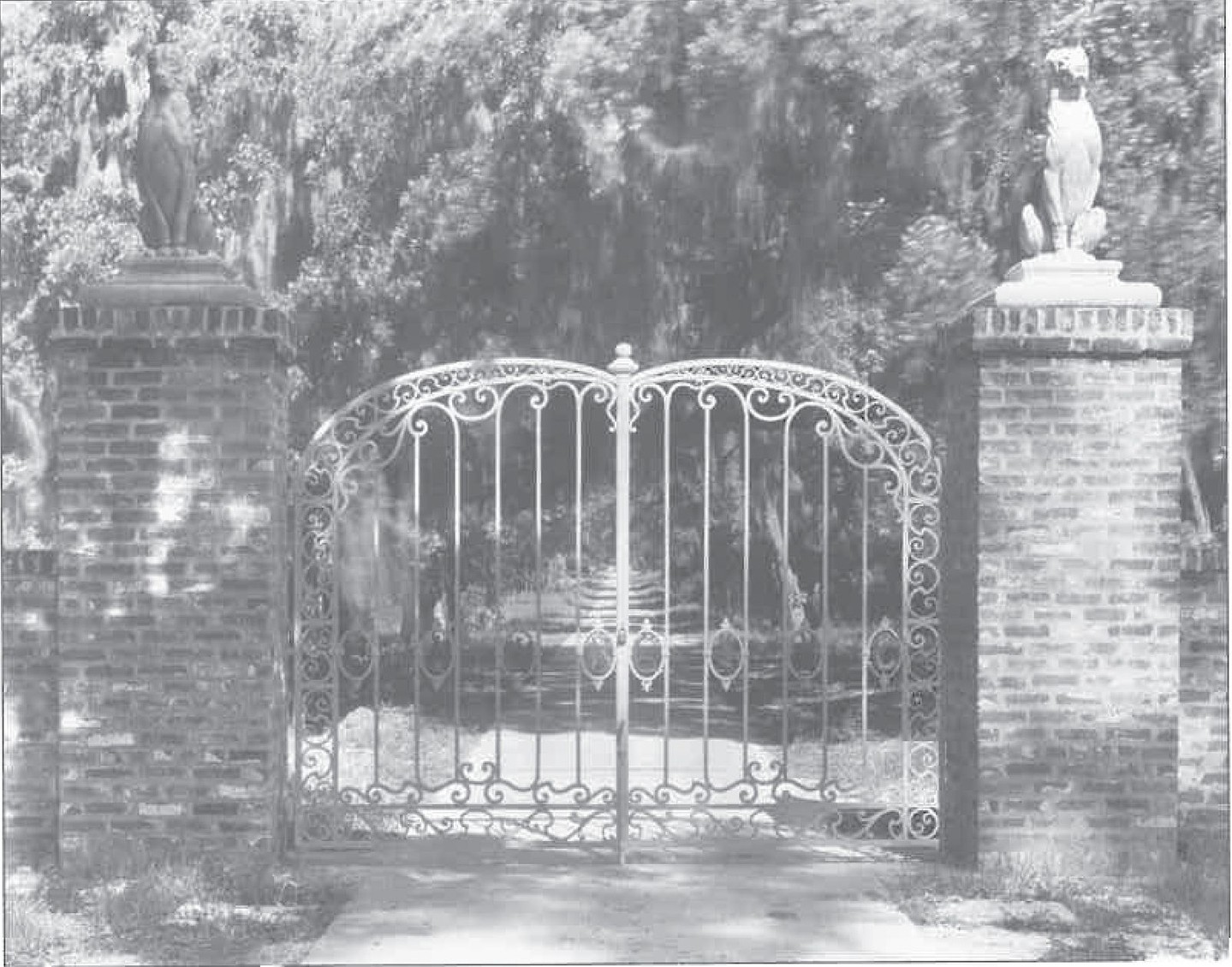
- The architectural significance of the entrance gate into the Gardens designed by Anna Hyatt Huntington.
- The depiction of native animals through bronze medallions and its importance in wildlife conservation.
- The cultural and historical context of the ‘Great Danes’ atop the gateposts.
- The progression of garden design and its reflection on contemporary conservation efforts.
- Visitor engagement and experiences when exploring the Gardens today.
The entrance gate into the Gardens, conceived by the talented sculptor Anna Hyatt Huntington, stands as a striking architectural feature that captures the essence of both artistry and conservation. Its unique design, with ‘Great Danes’ perched atop gateposts, elevates the entryway beyond mere functionality. This artful depiction pays homage to the canine companions and their historical association with nobility, offering a glimpse into the artistic influences and values of the time. Each detail reflects Huntington’s dedication to representing the beauty of nature and animals, setting a thematic tone for the visitor’s journey into the Gardens.
The ornamental iron gates are complemented by bronze medallions, each depicting a different native animal. These medallions serve a dual purpose, providing aesthetic value while educating visitors about local wildlife. Integrating elements of zoology into the design emphasizes the importance of understanding and preserving native species. The presence of these animals in the architecture can enlighten the audience about their habitats, behavior, and conservation status. For example, educating visitors on local fauna through art can foster a greater appreciation for wildlife and its protection.
As we reflect on the architectural features of the entrance gate, the ‘Great Danes’ are noteworthy in their own right. These sculptures convey strength and loyalty, traits associated with the breed. Their placement atop the gateposts symbolizes not only guardianship over the Gardens but also a historical tie to the ideals of companionship and protection. It is important to consider how these artistic choices resonate with the ideals of conservation. Dogs have historically played various roles in supporting human endeavors, often being depicted as companions in art and culture. This connection invites visitors to reflect on their responsibilities towards both domesticated and wild animals.
The design and layout of the Gardens have evolved since the gate’s installation, reflecting broader shifts in landscape architecture and conservation philosophies. The move from strictly decorative gardens to spaces that emphasize ecology indicates a growing awareness regarding environmental stewardship. Contemporary garden design focuses on sustainability, biodiversity, and the revitalization of native plants. This transformation mirrors changes in public attitudes toward nature and conservation, emphasizing the relationship between our surroundings and well-being.
Today, the Gardens serve as a living laboratory, offering educational programs that connect visitors with the principles of ecology and conservation. Various initiatives illustrate how public spaces can promote biodiversity and foster a sense of community engagement in environmental issues. Efforts to maintain native plants and create habitats for local wildlife are now considered essential components of public gardens. These practices not only enhance the beauty of the space but also support local ecosystems by providing resources for pollinators and other species.
Visitors to the Gardens can engage with these themes on a more personal level. Guided tours often include discussions about the importance of the entrance gate and its artistic components. This includes learning about Anna Hyatt Huntington’s broader contributions to art and conservation. The experience becomes richer when participants consider how the art interacts with the natural landscape. Observing the Gardens with this lens cultivates a deeper understanding of the interconnectedness of art, nature, and conservation.
The educational programs hosted in the Gardens contribute to increased awareness about local environmental issues. Workshops and community events provide platforms for individuals to learn about practical techniques in wildlife conservation and sustainable gardening. Programmatic efforts like this encourage personal investment in conservation, empowering citizens to be proactive in their communities.
Additionally, maintaining visitor-friendly amenities enhances the overall experience. The integration of informative signage, accessible pathways, and guided tours makes exploring the Gardens both enjoyable and educational. This enhances engagement with wildlife conservation while respecting the integrity of the natural landscape. The intentional design of visitor pathways encourages curiosity and exploration, motivating guests to slow down and appreciate the intricate details.
Art installations, such as the entrance gate, inspire artists, writers, and photographers alike. Many individuals visit specifically to capture the interplay of art and nature within the Gardens. Online, this leads to a rich exchange of ideas and images, broadening the conversation around conservation and the importance of public spaces. The impact of social media allows stories of the Gardens to resonate beyond its physical boundaries, fostering a global dialogue on topics like biodiversity and environmental sustainability.
The dialogue surrounding such themes is crucial as we face increasingly challenging environmental realities. By connecting art, architecture, and conservation, public gardens play a pivotal role in motivating visitors to take action both locally and globally. The entrance gate designed by Anna Hyatt Huntington serves not only as a welcome to the Gardens but also as an invitation to reflect on our collective relationship with nature. The art captures a moment in time but also serves the ongoing narrative of conservation and environmental education.
As contemporary society grapples with climate change and habitat loss, spaces like the Gardens remind us of the necessity for informed stewardship. The gate, through its artistry and symbolism, underscores the importance of adaptative practices that respect and preserve both cultural and natural heritage. When individuals appreciate their local ecosystems, they are more likely to advocate for practices rooted in sustainability and ethical conservation.
In conclusion, the intricate details of the entrance gate into the Gardens encompass far more than artistic expression. They weave together themes of wildlife conservation, education, and cultural significance. As visitors traverse the pathway beginning at the gates, they embark on a journey enriched with knowledge and appreciation for the environment. This iconic feature remains a testament to the value that art can hold in the discourse around conservation and the role public spaces have in shaping environmental narratives. Next time you visit the Gardens, take a moment to pause at the entrance gate, and reflect on the legacy of Anna Hyatt Huntington, her artistry, and the vital discussions of conservation that stem from such magnificent designs.
*****
Source Description
Then and Now
The original entrance gate into the Gardens was designed by Anna Hyatt Huntington. It features ‘Great Danes’ atop gateposts and ornamental iron gates with bronze medallions of native animals. It is located at the beginning of Live Oak Allée, just beyond ‘Youth Taming the Wild”, also by Anna Hyatt Huntington.
Be sure to include it in your next visit to the Gardens!
