
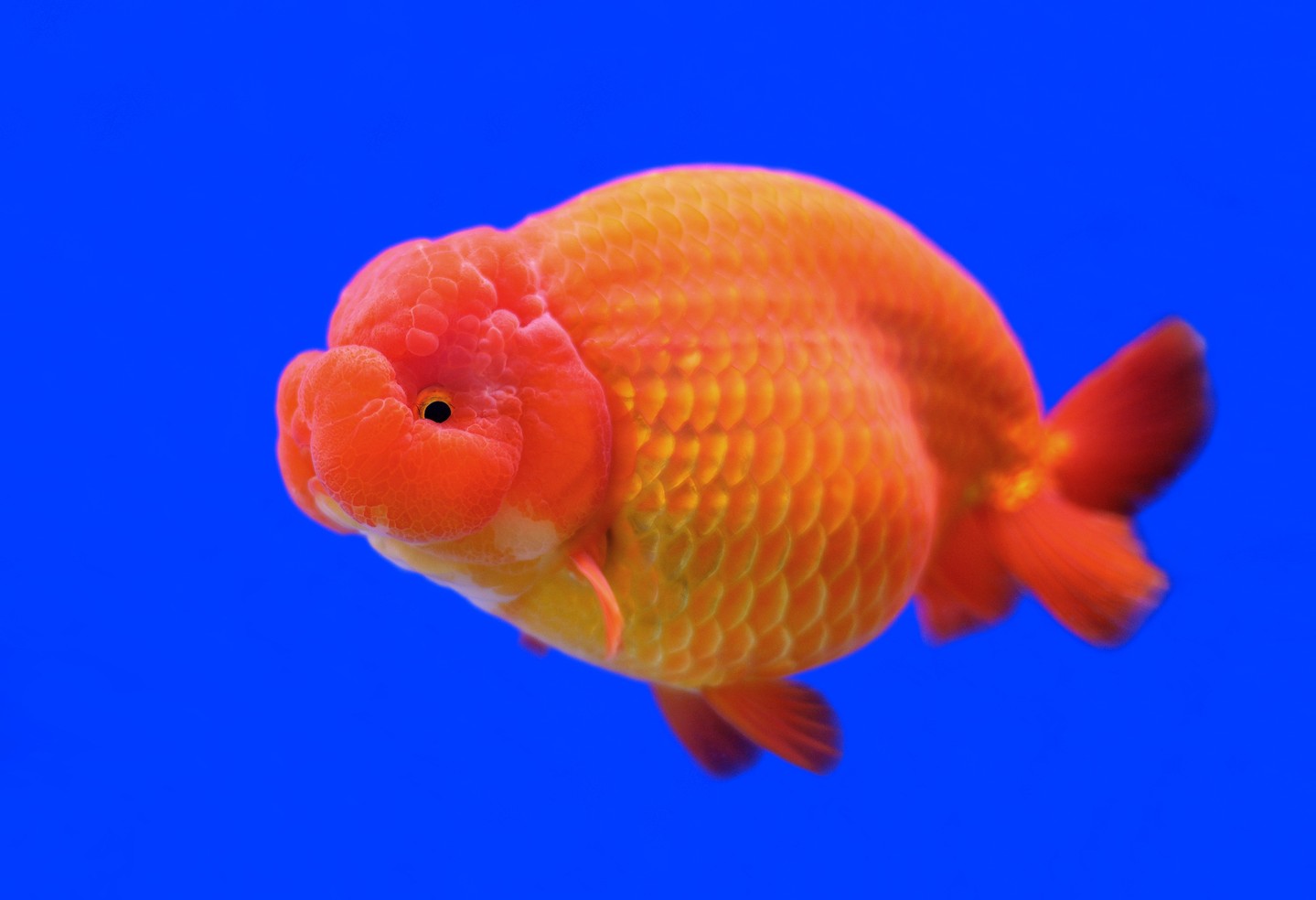
- The physical characteristics of the Ranchū goldfish
- The historical significance of Ranchū in Japanese culture
- Care and habitat requirements for Ranchū goldfish
- The Ranchū’s role in conservation efforts
- Viewing opportunities for experiencing Ranchū firsthand
The Ranchū goldfish is an extraordinary breed, distinct for its egg-shaped body and the absence of a dorsal fin. This unique morphology allows for its graceful, rolling swimming pattern, which has contributed to its nickname, “King of Goldfish.” Originating in Japan, the Ranchū has become a cherished specimen within the aquatic pet industry. Its aesthetic appeal is complemented by its dynamic personality, making it a popular choice among aquarists and goldfish aficionados.
The Ranchū is easily identifiable by its rounded body and short tail, which is tucked underneath. This lack of a dorsal fin leads to a distinctive swimming style known for its fluidity. Its coloration can vary, featuring shades of red, orange, white, and even calico patterns. With a body length commonly ranging from four to six inches, the Ranchū is compact and embodies an almost regal presence in an aquarium setting. Proper breeding practices have enhanced these visual traits over generations, making Ranchū a gem within the goldfish community.
Historically, the Ranchū holds great significance in Japanese culture. This breed was developed during the Edo period (1603–1868) and has since become intertwined with Japanese aesthetics. Goldfish were initially brought to Japan from China, where selective breeding transformed them into the captivating varieties known today. The Ranchū particularly exemplifies the Japanese art of aquiculture, reflecting both natural beauty and the cultural appreciation of aquatic life. It is often featured in seasonal events, artwork, and poetry, epitomizing tranquility and grace. Its prominence in festivals illustrates the deep connection between the Ranchū and Japanese heritage.
Maintaining the health and vitality of Ranchū goldfish requires careful attention. To thrive, these fish need a well-maintained aquatic environment. An aquarium with a capacity of at least 20 gallons is recommended to provide ample swimming space. The water should be kept at a temperature between 68°F and 74°F (20°C to 23°C) with a pH level of about 6.5 to 7.5. Filtration systems are essential for ensuring water quality; the Ranchū is sensitive to poor water conditions, which can lead to various health issues. Regular water changes, ideally 10-20% every week, will help maintain a stable environment.
The Ranchū is an omnivore, and its diet should be varied. High-quality goldfish pellets, supplemented with live or frozen foods such as brine shrimp and daphnia, will contribute to a balanced diet. Leafy greens, like spinach and lettuce, can also be offered to enhance their nutritional intake. Overfeeding can lead to health complications, including swim bladder issues, so portion control is key.
In terms of breeding, the Ranchū typically spawns in the spring months, when water temperatures rise. Breeders often separate males and females leading up to breeding season to encourage optimal conditions. After spawning, the eggs can be collected and kept in a separate tank for better survival rates due to their vulnerability to being eaten by adult fish.
The Ranchū’s vitality also sparks conversation in conservation circles. As one of the many goldfish varieties that signify aquatic biodiversity, efforts to conserve the breed and its genetic health are ongoing. Responsible breeding practices aim to maintain the characteristics that define the Ranchū while preventing health issues that can arise from inbreeding. Breeders often participate in cooperative programs to share genetic material, ensuring genetic diversity remains robust.
As interest in Ranchū goldfish continues to rise, so does the importance of ethical practices within the hobby. Aquarists are encouraged to source their Ranchū from reputable breeders who prioritize the health and welfare of the fish. The rise of aquaculture has introduced challenges, including the risk of overbreeding and genetic deterioration. Therefore, awareness among enthusiasts is crucial to safeguard this remarkable fish for future generations.
While discussions on breeding and care are essential, experiencing the Ranchū in person remains a rewarding endeavor. Exhibitions dedicated to goldfish showcase the beauty of this breed. One such opportunity is presented in the Goldfish Realms gallery, where visitors can appreciate the graceful movements and artistic elegance of Ranchū goldfish. Observing these fishes in a designed setting not only highlights their charm but also fosters appreciation for the aquatic species as a whole.
Educational programs accompanying such exhibitions play a vital role. They inform visitors about the significance of goldfish in aquaculture, the history of Ranchū, and practical insights on proper care. Engaging communities around sustainable practices helps cultivate responsible ownership, ensuring that future generations can enjoy these exquisite creatures.
Caring for a Ranchū is both an art and a science. Individuals interested in this breed should arm themselves with as much knowledge as possible about their unique requirements. Networking with experienced aquarists provides an invaluable resource for learning best practices and acquiring tips for maintaining a healthy aquatic environment. Through dedicated care, one can appreciate not only the visual appeal of the Ranchū but also its fascinating presence within the world of goldfish.
In summary, the Ranchū goldfish represents a blend of historical importance, aesthetic beauty, and ecological responsibility. Its streamlined body and lack of a dorsal fin make it a stunning addition to any aquarium. Through thoughtful care and awareness of its environmental needs, the Ranchū can thrive, serving as a reminder of the beauty and significance of aquatic life. Engaging with such species fosters a collective responsibility towards conservation, underscoring the need to protect not just the Ranchū but all aquatic environments for future enjoyment and education.
By fostering appreciation for the Ranchū, we also contribute to the greater narrative of wildlife conservation. Understanding the interplay of culture, science, and ethical practices enhances our collective efforts to protect aquatic biodiversity. Whether through admiring the Ranchū at an exhibit or nurturing one at home, each interaction promotes respect for the incredible world of goldfish.
*****
Source Description
This goldfish is true royalty! 👑
The Ranchū is a prized Japanese goldfish known for its egg-shaped body and lack of dorsal fin. Its smooth, rounded back and tucked-in tail give it a graceful, rolling swim, earning it the title “King of Goldfish.”
SEA this fish for yourself in our new gallery, Goldfish Realms!
