
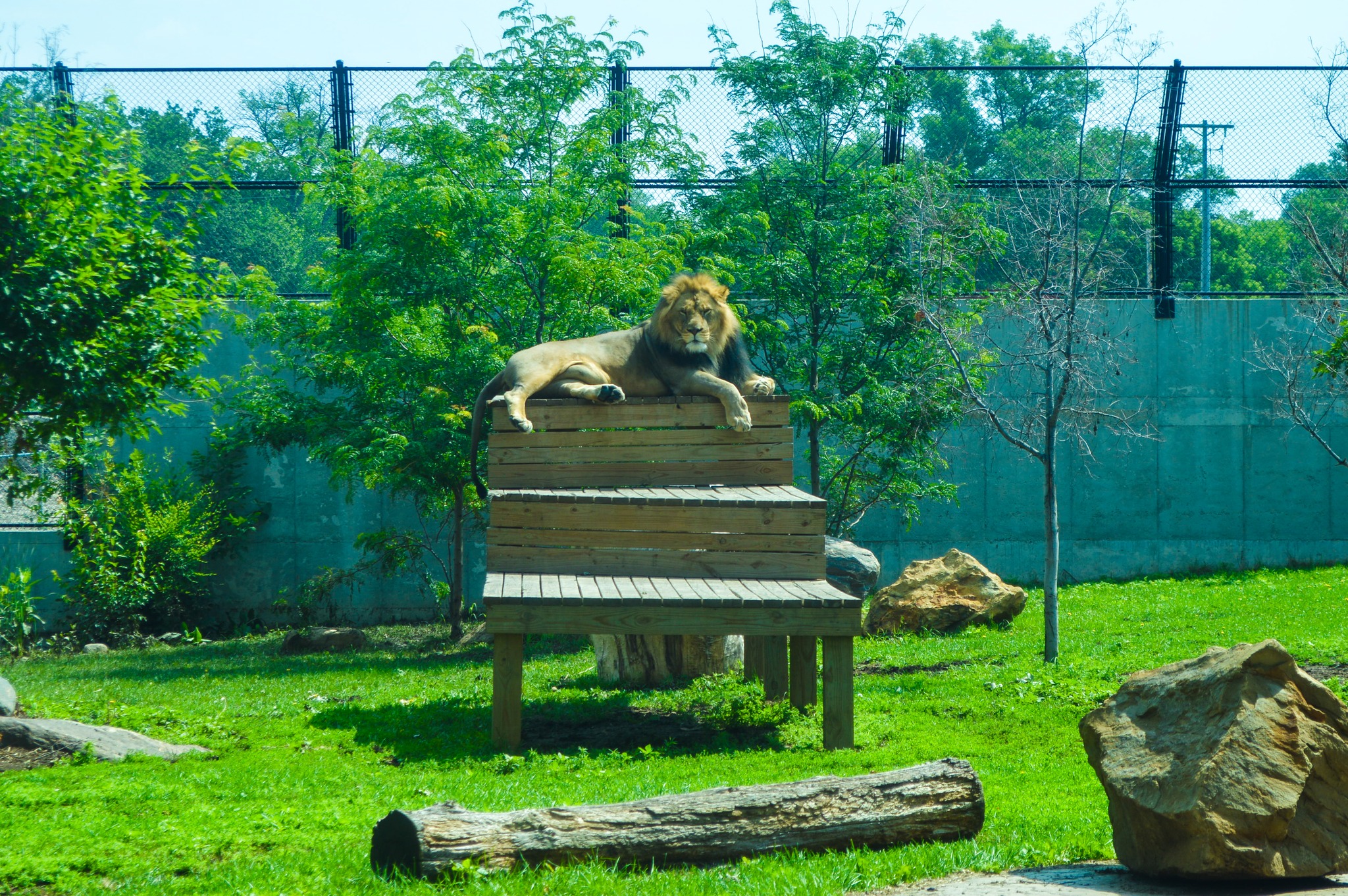
- Understanding the significance of International Lion Day
- Activities to engage with lions at the zoo
- The conservation status of lions and related efforts
- Educational insights from lion keepers
- Tips for promoting wildlife conservation beyond the celebration
International Lion Day is a time to acknowledge the vital role of lions in the ecosystem and the growing challenges they face. Observed annually on August 10th, this day brings awareness to the plight of these majestic big cats while celebrating their strength and cultural significance. As the apex predator in their habitats, lions play a vital part in maintaining the balance of their ecosystems. The day aims to educate the public on protecting these magnificent animals.
Celebrating International Lion Day at the zoo offers attendees various interactive activities tailored to foster a deeper understanding of lions. From crafts and scavenger hunts to keeper chats, each event highlights different aspects of lion life and conservation efforts. The crafts and coloring pages near the lion exhibit will allow participants to express their creativity while learning about lion anatomy and habitats. The scavenger hunt encourages exploration of the zoo, prompting participants to seek specific facts and features related to lions. These engaging activities are designed to provoke curiosity among visitors of all ages.
During the lion keeper chat scheduled for 1:00 p.m., attendees will have the opportunity to engage directly with professionals who dedicate their careers to the care and management of lions. This session will provide valuable insights into the daily routines involved in keeping lions healthy and how zoo staff contribute to their conservation. Keepers often share stories that highlight the personalities of individual lions, showcasing their social behaviors and interspecies interactions. Understanding these characteristics enriches the public’s appreciation of lions and emphasizes the need for ongoing conservation efforts.
The conservation status of lions has become a pressing concern. According to the International Union for Conservation of Nature (IUCN), lions are listed as “Vulnerable,” with populations diminishing due to habitat loss, human-wildlife conflict, and poaching. In Tanzania, for example, lion populations have seen a significant decline due to encroachment on their territories, leading to clashes with local farmers. Education on these issues is critical, as it helps to build a more informed public who can advocate for change.
Zoo-based education programs often focus on these conservation challenges, providing resources for individuals interested in promoting lion protection. Collaborating with conservation organizations and participating in awareness campaigns amplifies the efforts made to save lions in the wild. Financial support for reputable wildlife conservation organizations can lead to impactful fieldwork dedicated to protecting lion populations and their habitats.
Another integral aspect of International Lion Day is highlighting scientific research related to lions. For instance, studies examining the social structures of lion prides reveal complex dynamics that contribute to their success as hunters. Unlike many solitary big cats, lions are unique in their pride-based social structure. An adult female generally leads the pride, often composed of related lionesses and their cubs, while males may join for a season. This social cohesion enhances their hunting abilities, allowing them to work together effectively.
The role of apex predators like lions extends beyond the hunt; they also help regulate prey populations. Overpopulation of herbivores can lead to overgrazing, which negatively impacts vegetation and the entire ecosystem. As such, safeguarding lion populations indirectly benefits countless other species and the environment. International Lion Day serves to remind us of this interconnectedness.
Participants at the zoo can take away several actionable insights for promoting wildlife conservation. Simple steps such as sharing educational materials pertaining to lion conservation or supporting local wildlife protection initiatives can substantially impact. Social media provides a platform for awareness campaigns, allowing individuals to connect their audiences with conservation stories and organizations.
Additionally, visiting zoos like ours fosters a direct connection to wildlife; these institutions often engage in more extensive conservation efforts, including breeding programs for endangered species. Observing lions in a controlled environment educates the public on their behaviors and needs. Zoos work closely with conservation organizations to reintroduce animals when feasible and support both in-situ and ex-situ conservation strategies.
Incorporating these lessons into everyday life promotes broader conservation efforts beyond International Lion Day. Consider participating in local wildlife clear-up days, donating to wildlife conservation funds, or becoming an advocate in your community. Each action, no matter how small, contributes to larger conservation goals.
As we anticipate celebrating International Lion Day this Sunday, August 10th, take time to appreciate the remarkable qualities of these big cats. The planned activities, such as crafts, scavenger hunts, and keeper chats, will enrich your understanding of lions and underscore the need for their conservation. By participating in these events, you engage not only with the animals but also with critical conversations surrounding wildlife stewardship. Together, we can make strides toward safeguarding the lion’s legacy for future generations.
*****
Source Description
🦁 Celebrate International Lion Day with us this Sunday, August 10th!
While it won’t be as big as our tiger celebration, we still have a roaring good time planned:
🖍️ Crafts & coloring pages by the lion exhibit | 10:00am – 3:00pm
🔍 Scavenger hunt fun | 10:00am – 3:00pm
🗣️ Lion keeper chat | 1:00pm
Swing by and spend the day learning more about these incredible big cats!
