
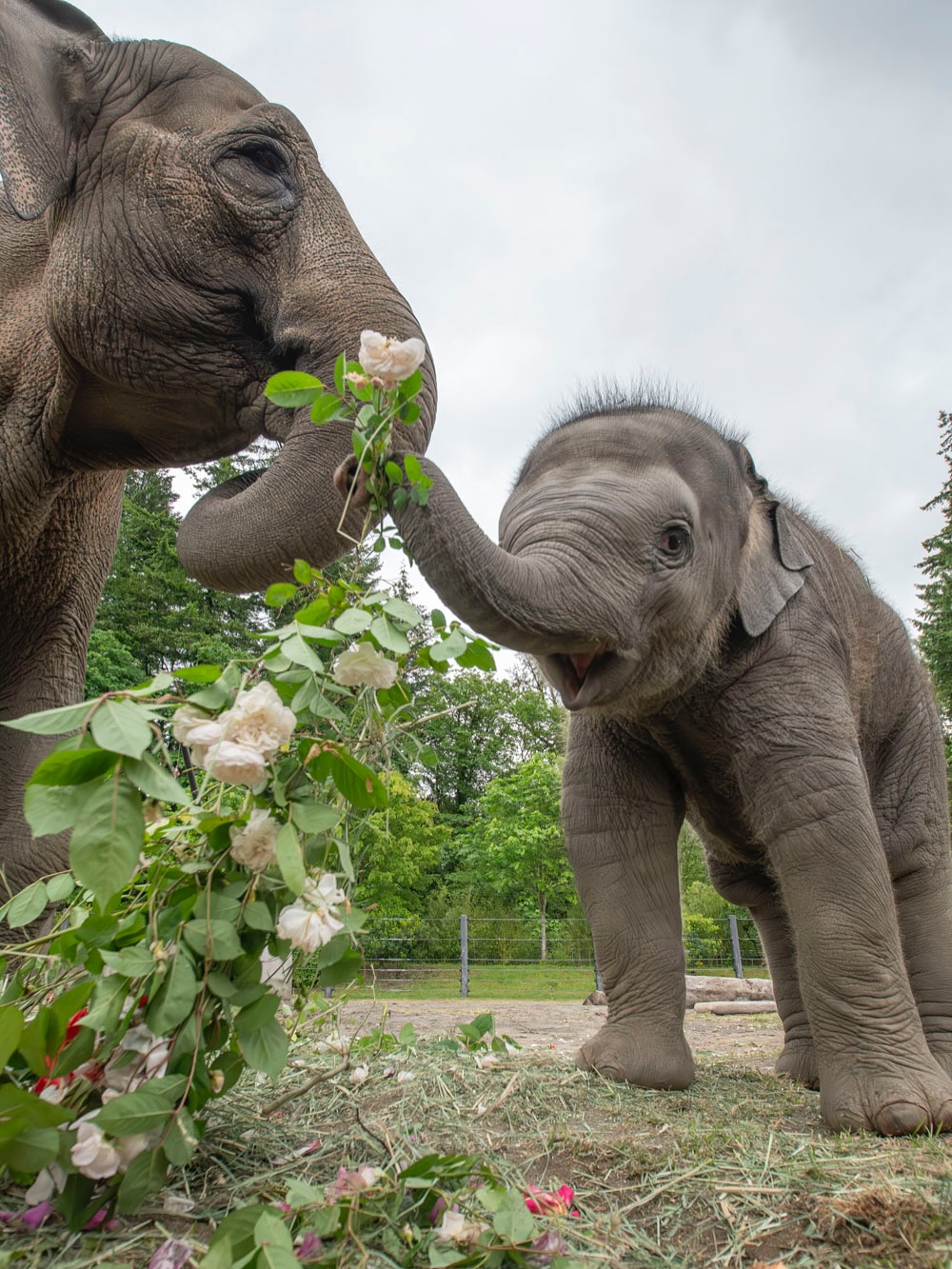
- Overview of the Flower Girl’s Role in Ceremonial Contexts
- Cultural Significance of Flower Girls Around the World
- Responsibilities and Expectations of a Flower Girl
- Flower Girl Attire and Preparation
- The Emotional Impact and Memories Created by Flower Girls
The role of a flower girl in various ceremonies is both significant and symbolic. Traditionally a part of weddings, the flower girl is often a young girl, typically between the ages of 3 and 10, who carries flowers down the aisle. This role serves as a charming and heartwarming touch to the festivities. The flower girl’s actions—scattering petals or carrying a bouquet—symbolize innocence, purity, and the blossoming of love in the union being celebrated.
In different cultures, the function of the flower girl varies. In some societies, she may be dressed in white to match the bride, enhancing the aesthetic appeal of the ceremony. In other traditions, the flower girl may wear colors that harmonize with the theme of the event. In countries such as Greece, flower girls play a vital role in weddings, where they may toss petals made from various herbs, symbolizing fertility and prosperity. The act of scattering petals is believed to bless the couple, inviting good fortune as they embark on their marital journey.
The responsibilities of a flower girl can vary widely based on the preferences of the bride and the structure of the ceremony. Flower girls are often charged with walking gracefully down the aisle, representing youthfulness and joy. Mothers often coach them on how to behave during the ceremony. This can include practicing how to walk and what to do if they accidentally drop the petals. While these responsibilities may seem straightforward, the pressure can be palpable. Flower girls must balance their excitement with the decorum expected at such events. Typically, flower girls will also stand beside the bride and groom during the ceremony, often holding a small bouquet or wearing floral crowns, further enhancing the ceremony’s visual appeal.
Choosing the right attire for a flower girl also involves careful thought. Flower girl dresses can range from simple to elaborate, reflecting the overall style of the wedding. The color palette, textiles, and accessory choices should match the wedding theme, creating a seamless aesthetic. In recent years, many couples have opted for more relaxed attire for their flower girls, allowing for outfits that are both functional and comfortable while still serving the ceremonial purpose. Some families may even choose matching outfits or themes that signify their unique connection, making the experience even more personal.
Preparation for the role involves not just selecting attire but also emotional readiness. Flower girls often look forward to the event, anticipating their moment in the spotlight. This excitement, combined with the pressure of performing well, can create an intense emotional experience. For many families, the involvement of a flower girl creates cherished memories. Watching a young girl perform her duties can evoke smiles and laughter, creating joyful moments that families will reminisce about long after the event is over.
Capturing these moments is essential. Photographers usually pay special attention to the flower girl, framing her actions and expressions amidst the ceremony’s backdrop. These images often become treasured keepsakes, immortalizing the innocence and joy she embodies. The flower girl’s role often invites interaction, as guests traditionally response with smiles or applause when she completes her walk, solidifying her presence in the shared experience.
From a psychological perspective, the flower girl’s role plays into formative social experiences. It encourages young children to participate in communal events. This participation fosters a sense of belonging, instilling confidence and paving the way for future involvement in important life events. By fulfilling this role, children learn social cues and develop understanding about the significance of ceremonies in their culture.
When examining the intricacies of flower girls in modern ceremonies, it becomes clear that they are more than just decorative elements. They symbolize the beauty of tradition, innocence, and community bonding. Their importance persists across generations, demonstrating the enduring relevance of such roles in ongoing cultural narratives. Sociologists suggest that while the roles may adapt in formality and execution, the underlying themes remain unchanged—celebrating love, unity, and familial bonds.
Overall, the flower girl may appear to have a simple, elegant position, but her influence extends beyond just the wedding day. As a representative of youth and joy, she embodies the spirit of a celebration, leaving an indelible mark on all who witness it. The experience associated with flower girls helps to solidify family connections and creates lasting traditions, vital for social continuity.
The consistent presence of flower girls reminds us of the vital role played by children in celebrations, highlighting their potential impact on family and cultural traditions. Their small but valuable contributions resonate deeply, enhancing the stories we narrate about love and unity for years to come. The image of a young girl tossing petals acts as a metaphor for blessings and good wishes, framing the beginning of a couple’s journey into a shared life through the lens of innocence and festivity. The emotional connections forged during these moments contribute to the collective memory and cultural practices, allowing future generations to carry these traditions forward.
In examining the role of a flower girl in cultural contexts, one uncovers layers of meaning and symbolism. Whether in a church, a garden, or a banquet hall, the act of a young girl participating in a ceremonial event sheds light on broader social themes. The flower girl is a visual reminder of the love and joy encapsulated in such gatherings, serving as a bridge between youth and the important events that shape our lives.
By acknowledging the flower girl’s role, we also celebrate the intricacies of human gatherings and rituals. These small parts in significant events unify individuals, creating shared experiences that are essential to cultural identity and familial bonds. Hence, the flower girl represents not only a role within a ceremonial framework but also embodies themes of connection and community that stretch beyond the moment. Her presence symbolizes hope, joy, and the continuity of traditions that inform who we are as individuals and as part of the broader human tapestry.
Such engagement with ancestral practices demonstrates the value of recalling communal memories. The flower girl stands as a reminder that even small actions, when performed with intention and joy, can have a profound impact, shaping the narrative of families and cultures alike. The moments shared during ceremonies remind us of our intertwined lives, celebrating love and togetherness through symbolic acts performed by our youngest participants.
The journey of a flower girl, though often fleeting, generates lasting impressions both visually and emotionally. Recognizing the nuances of her role invites deeper reflections on the transitions of life cycles and the importance of family experiences. By fostering a culture of togetherness, we not only uplift those involved in ceremonial functions but reinforce the belief that love and connections are vital elements of our existence. In this way, the flower girl is much more than an ornamental presence; she becomes a vital contributor to the shared narrative of love, friendship, and unity that enriches our collective human experience.
*****
Source Description
Flower girl 🌹
