
- Understanding Bears in the Wild: Behavior and Habitat
- The Importance of Conservation Programs
- Behind the Scenes: Training and Care for Bears
- The Educational Value of Animal Encounter Programs
- How Participants Can Impact Wildlife Conservation
Exploring bears in their natural environment reveals their impressive adaptations and social behaviors. Bears are found in various ecosystems, including forests, mountains, and tundra. They have unique traits that allow them to thrive in specific habitats. For instance, polar bears are equipped with thick blubber and a layer of fur that insulates them against frigid temperatures, while black bears are versatile eaters, adapting their diet to the changing seasons. Understanding these behavioral patterns is critical in protecting their habitats.
Conservation programs play a significant role in ensuring the survival of bear populations. Habitat loss due to urban development, agriculture, and climate change poses significant threats. Effective conservation strategies focus on habitat restoration, anti-poaching measures, and public education initiatives. These programs often emphasize the importance of biodiversity and the interconnectedness of ecosystems. Through efforts like these, organizations aim to reverse the impacts of human activities on natural habitats.
Attending an event like "The Beary Best Pool Party" offers an exceptional opportunity to see these majestic creatures up close. Participants can experience a Behind the Scenes Encounter with Bety and Sassy, which provides insight into the daily care these bears receive. Private training sessions with animal care teams showcase how staff maintain the health and well-being of the bears through enrichment activities, behavioral training, and diet management. Learning about animal husbandry practices helps dispel myths about wildlife management.
Animal encounter programs like this one provide substantial educational value. They serve as a bridge between the public and wildlife conservation. These programs enable people to form connections with animals, fostering an appreciation that can translate into conservation actions. Participants gain firsthand experience in animal care practices, enhancing their understanding of the challenges wildlife face in captivity and the wild. Engaging with bears like Bety and Sassy creates memorable experiences that encourage attendees to become advocates for wildlife conservation.
The involvement of participants in programs such as "The Beary Best Pool Party" can lead to meaningful contributions to conservation efforts. By spreading awareness, individuals can play a pivotal role in advocating for wildlife-friendly policies. Engagement through social platforms, community outreach, and funding campaigns significantly influences wildlife preservation initiatives. When people witness the beauty and complexity of bears, they are more likely to support sustainable practices.
Bear populations, unfortunately, don’t just thrive on their own. Human activity poses real threats to their existence. Bears require vast territories to roam and find food. Climate change alters the availability of natural resources, making bears more vulnerable. Understanding the reasons behind declining bear populations informs conservation efforts. Education fosters a spirit of responsibility towards protecting these animals and their habitats.
Animal care teams perform an essential role in managing bears in a zoo or sanctuary setting. Focused on enriching their lives, caregivers introduce various stimuli, like puzzles or novel objects, to keep them engaged. Bears are intelligent creatures, and mental engagement is as important as physical health. Proper care requires regular veterinary checks, adequate nutrition, and a safe environment. This comprehensive approach to care supports the well-being of bears.
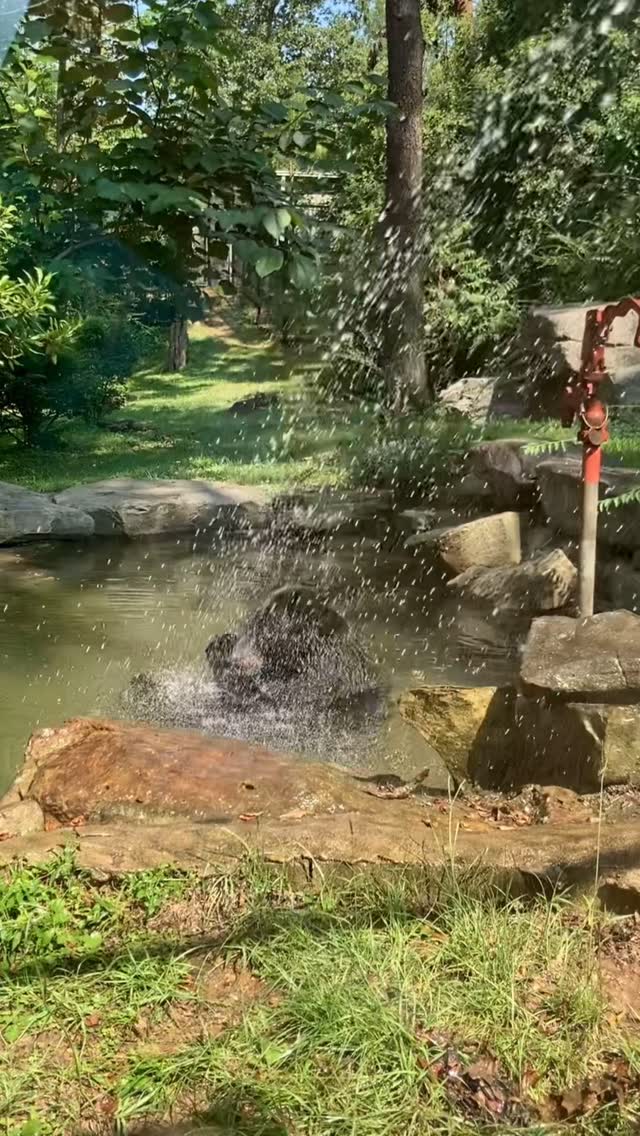
One popular aspect of programs like "The Beary Best Pool Party" is the opportunity for visitors to see bears interacting with water. Pool parties simulate a natural environment, allowing bears to express their playful behavior. Observing this play is enjoyable for guests and vital for the bears. Play fosters social bonds and encourages physical fitness. It’s a perfect example of how engaging programs can benefit both wildlife and audience members.
Visitors often come to these encounters with various expectations. Many are eager to learn and see firsthand how animal care teams operate. During these experiences, staff often share insights about bear behavior and the thoughtful considerations involved in creating an enriching environment. Participants are encouraged to ask questions, gain knowledge, and develop curiosity about wildlife and conservation.
Engaging with bears also raises discussions around ethical wildlife practices. Many face dilemmas regarding how animals should be treated in captivity. These concerns are valid. Programs must prioritize animal welfare while delivering educational experiences. Transparency in operations is crucial as organizations strive to instill confidence among participants regarding the care practices for bears. Ensuring that guests understand how animal care aligns with conservation goals is vital for ethical engagement.
As more people participate in events like "The Beary Best Pool Party," it raises awareness about the plight of bears and other wildlife. Shared stories can amplify the reach of messages surrounding conservation. Each participant becomes a storyteller, sharing their experiences with friends and family, ultimately creating a broader conversation about wildlife. Social media platforms serve as modern-day community boards, giving all a voice in conservation dialogues.
Following attendance at events, participants might feel inspired to support bear conservation efforts actively. This support could materialize in various ways, such as volunteering at local wildlife organizations, contributing to fundraising campaigns, or participating in conservation initiatives. Each action reinforces the link between individuals and wildlife, driving home the message that every effort counts.
The significance of pool parties for bears extends beyond entertainment for spectators. Water activities and simulations provide bears much-needed exercise and mental stimulation. Playful interactions also allow caregivers to monitor health and behavior closely. Observing how bears respond to water helps caregivers adapt care practices based on individual preferences. Customizing experiences enhances the quality of life for these animals.
The role of social media cannot be overlooked in promoting programs like "The Beary Best Pool Party." Organizations utilize platforms to showcase these events and engage audiences creatively. Captivating visuals and engaging narratives spark curiosity and encourage more individuals to participate in wildlife conservation movements. By sharing content, supporters amplify messages, reaching audiences that might not be aware of the pressing need for wildlife protection.
Bear encounter programs also rejuvenate interest in biological research, underscoring the importance of scientific inquiry in zoology. Scientists conduct studies on bear behavior, genetics, and health, utilizing insights gained from observing bears in controlled environments. Information gathered in these programs can translate into broader conservation strategies that benefit populations in the wild. Collaboration between institutions can harness research findings to address critical issues in wildlife management.
Conservation of bear species and their habitats hinges on maintaining public interest. Programs like The Beary Best Pool Party enhance visibility for these initiatives, appealing to diverse age groups. Educators often acknowledge that when learning is enjoyable, participants are more likely to retain information and develop lasting interests in wildlife. Enthusiasm generated within such encounters can lead to lifelong commitments to stewardship.
Additionally, involvement in conservation initiatives reinforces the collective responsibility society bears for protecting wildlife. Each program serves as a reminder that human activities significantly impact not just bears but entire ecosystems. Educating the public on sustainable practices fosters a community-oriented mindset focused on preserving wildlife. Every individual can make choices that positively influence the environment, ultimately promoting a healthier relationship between people and nature.
Through multidimensional programs, organizations utilize each interaction to educate and advocate. "The Beary Best Pool Party" is not merely an entertaining event but an impactful campaign promoting awareness of bears and their habitats. Guests leave with insights and a heightened sense of responsibility toward wildlife conservation. Every experience is an opportunity for reflection and action.
The interconnectedness between participants and wildlife nurtured through immersive programs like this enhances not only the appreciation of bears but the fundamental tenets of conservation. Balancing enjoyment with education equips people to champion meaningful change. Every bit of knowledge gained serves as a building block for important discussions surrounding wildlife preservation.
Bringing people closer to bears fosters a sense of community. Participants unite around a shared mission of conservation. The charm and charisma of personalities like Bety and Sassy influence perceptions of wildlife and highlight the intrinsic value of every species. The awe inspired by these encounters can spark advocacy and commitment to sustainable practices and conservation efforts. The ripple effects of engagement can lead to impactful change across communities.
Through thoughtful programming, organizations emphasize the critical role each person contributes to wildlife conservation. Experiences like The Beary Best Pool Party showcase the potential for meaningful interactions with wildlife. These moments become catalysts for awareness, action, and advocacy. Participants leave a lasting impression, carrying the message of conservation with them.
In this way, the combination of recreation, education, and ethical wildlife management creates a synergistic effect. Engagement leads to insights, fostering understanding around bears’ realities, their needs, and the broader implications of biodiversity. By investing in experiences that highlight the beauty and complexity of bears, society can simultaneously enhance awareness and galvanize action towards wildlife conservation.
*****
Source Description
The beary best pool party is a bear pool party!🐻💦
Celebrate by booking a Behind the Scenes Encounter with Bety and Sassy! You’ll get to join our animal care team for a private training session, a special look inside the bear den, and more! Head to our website to secure your experience today.
