
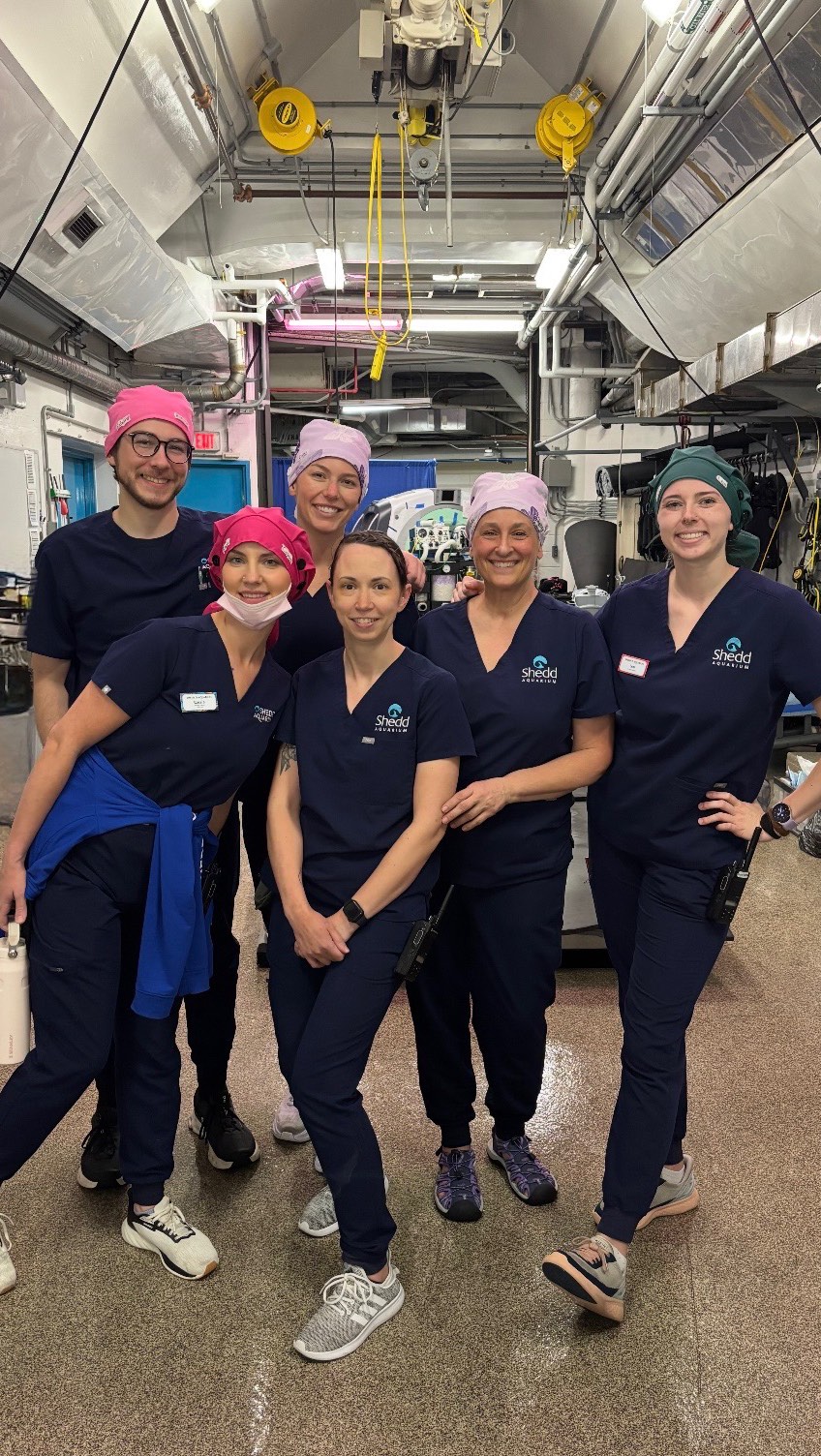
- The vital role of veterinary technicians in animal care.
- Routine checkups and preventive measures for animal health.
- Emergency care and life-saving interventions.
- The training and skills necessary for veterinary technicians.
- The impact of veterinary care on wildlife conservation and zoo management.
Veterinary technicians serve an essential function in the care of animals at institutions like the Shedd Aquarium. Their skills, compassion, and dedication not only contribute to individual animal wellness but also enhance the broader goals of conservation and education. Every healthy heartbeat at Shedd is supported by a veterinary technician’s expertise.
Veterinary technicians play a key role in the multidisciplinary approach to animal care. Their responsibilities span across various areas, including direct animal care, diagnostics, and support for veterinarians during procedures. These professionals ensure that animals receive comprehensive medical attention, which is particularly crucial in a zoo setting where species diversity requires specialized knowledge. The veterinary technician’s role extends beyond simple care. They act as the first line of defense in recognizing ailments, thus contributing significantly to the overall health of the facility’s inhabitants.
Routine checkups are crucial for understanding and maintaining the health of animals. Just like human patients, animals need regular evaluations to screen for potential health issues. During these checkups, veterinary technicians monitor heart rates, body temperature, and weight, while also conducting physical examinations. These assessments help identify early signs of illness, allowing for timely interventions. For animals under human care, this proactive approach is vital.
For instance, veterinary technicians perform routine blood tests to check for any irregularities in organ function or blood cell counts, which can be indicators of underlying health problems. They also collect samples for urinalysis and fecal examinations. Each sample provides critical information regarding the overall health of the animal. Knowledge gained from these tests can lead to early diagnosis and treatment, which is particularly significant for species that are sensitive to stress and environmental changes.
Furthermore, vaccinations are another critical aspect of routine care. Vaccines protect against communicable diseases that could impact not just individual animals, but potentially entire populations in a zoo or aquarium. Veterinary technicians collaborate with veterinarians to develop vaccination schedules based on species-specific risks. Maintaining vaccination protocols is fundamental to preventing disease outbreaks and ensuring the health of all animals in care.
Emergency situations can arise in the blink of an eye, especially in a setting with wild animals. When such challenges occur, veterinary technicians are indispensable. They are trained to handle emergencies, providing immediate care to stabilize animals until a veterinarian can assess the situation. Every second counts when an animal is in distress, and veterinary technicians are well-prepared to act quickly and effectively.
For example, if an animal undergoes trauma, be it from external factors like enclosure accidents or health-related incidents, veterinary technicians can initiate life-saving interventions such as administering CPR, stabilizing fractures, or managing shock. These interventions might include providing oxygen, administering fluids, or controlling bleeding. The swift actions of these professionals can be the difference between life and death.
The training required to become a veterinary technician is rigorous and thorough. Aspiring vet techs must usually complete an accredited associate degree program. This program covers fundamental topics such as anatomy, pharmacology, and animal behavior. Hands-on training is also key, as students learn through supervised clinical experiences in veterinary clinics or hospitals.
In addition to foundational knowledge, skills related to anesthesiology, radiology, and emergency care are distinctly taught. Veterinary technicians also receive training in laboratory procedures, encompassing everything from sample collection to processing and interpreting test results. The breadth of this education equips them to be multi-skilled professionals capable of handling diverse responsibilities in a zoological setting.
Post-degree, veterinary technicians often pursue certification, which might include passing the Veterinary Technician National Examination (VTNE). Certification demonstrates competency and commitment to the field. Continuous education through workshops and conferences is also common, as it helps them to stay updated on advancements in veterinary medicine and animal care practices.
Beyond clinical competencies, veterinary technicians excel in soft skills such as empathy and communication. They often serve as the bridge between the veterinary team and the public, explaining procedures and care confidently to staff and visitors alike. This role enhances educational outreach, as the general public becomes informed about wildlife health through engaging conversations led by technicians.
The importance of veterinary care extends beyond individual animal health. Effective veterinary practices contribute to broader wildlife conservation efforts. By caring for animals in zoos and aquariums, veterinary technicians help maintain genetically diverse populations, which is vital for species recovery programs. Some species remain on the brink of extinction, and artificial breeding programs require intricate knowledge and specialized care for the success of propagation efforts.
Veterinary technicians support conservation initiatives by facilitating reproductive health evaluations and health assessments of species involved in breeding programs. They contribute to research aimed at understanding population dynamics, which can inform conservation strategies in the wild. Understanding the specific health needs of species can ensure that they can thrive both in captivity and in their native habitats.
Furthermore, through their everyday actions, these technicians promote a greater understanding of the complex relationships between humans, animals, and the environment. Their interactions often lead to broader discussions about conservation challenges, human impact on wildlife, and the need for responsible stewardship of natural resources.
Veterinary technicians also play a role in public education about animal welfare. Their presence at educational events fosters a sense of community and responsibility towards wildlife and conservation efforts, making them ambassadors for animal care. By participating in outreach programs, they enhance the understanding of species’ needs and the importance of conservation initiatives.
In summary, veterinary technicians stand as integral figures in the animal care hierarchy at the Shedd Aquarium and other wildlife facilities. Their role encompasses routine health checks, emergency interventions, and substantial participation in conservation efforts. Each day, they ensure that animals receive world-class care, embodying the relationship between veterinary science and conservation.
As we recognize the significant impact of veterinary technicians, it becomes clear that their expertise is indispensable in promoting animal health, safety, and welfare. With every heartbeat attended to by a vet tech, the goals of education and conservation move one step closer to realization. The dedicated efforts of these professionals serve as a reminder that animal care requires not just knowledge but a deep-seated passion for the well-being of all creatures. Their work enriches the lives of both animals and the community they serve, fostering a shared appreciation for the natural world.
*****
Source Description
Behind every Shedd animal’s healthy heartbeat is a vet tech.🩵
From routine checkups to life-saving care, our veterinary technicians bring precision and compassion to each exam, scan and sample. Their dedication reminds us what world-class care looks like.
This join us in thanking our incredible vet techs for all they do. We wouldn’t be the same Shedd without them! 🩺🩻
