
- The role of zoos in wildlife conservation and education.
- The importance of zoo management in maintaining animal welfare and visitor engagement.
- How modern zoos incorporate technology and sustainable practices.
- The impact of visitor experiences on public awareness and conservation efforts.
- Emphasizing the joy and excitement that visiting a zoo brings to diverse audiences.
Modern zoos have evolved far beyond their initial role as institutions for showcasing exotic animals. Today, they serve as crucial hubs for wildlife conservation, education, and research. By diving deep into these areas, we can understand how visiting a zoo is not only a delightful experience but also an opportunity to contribute to global conservation efforts.
Zoos play a significant part in wildlife conservation. They are actively involved in breeding programs that aim to protect endangered species from extinction. By maintaining captive populations, zoos create genetic reservoirs that can replenish wild populations if necessary. For example, the International Species Information System (ISIS) supports zoos by tracking genetic data to prevent inbreeding and enhance genetic diversity within this safety net.
Animal welfare is at the core of successful zoo management. Modern zoos strive to replicate the natural habitats of their animals, allowing them to exhibit natural behaviors. Enclosures are designed to be stimulating and dynamic, often incorporating elements like climbing structures and water features. Proper nutrition, medical care, and environmental enrichment are pivotal to the animals’ well-being, requiring expertise from zoologists, veterinarians, and animal behaviorists.
Visitor engagement is another crucial aspect of zoo management. Zoos aim to make their spaces educational and entertaining for visitors. Interactive exhibits, educational programs, and guided tours provide visitors with insights into animal behavior, habitats, and the importance of biodiversity. Zoo educators facilitate connections between visitors and wildlife, fostering a sense of responsibility and stewardship towards conservation.
Technology is transforming visitor experiences and operational efficiencies in zoos. Digital platforms help visitors plan their visit, learn more about the animals, and participate in virtual tours. Moreover, technology assists in animal monitoring, data collection, and resource management. For instance, RFID tagging helps track animal movements, monitor health, and provide data that supports research initiatives.
Sustainable practices are increasingly integrated into zoo operations, reflecting a commitment to environmental stewardship. Many zoos implement waste reduction, water conservation, and renewable energy initiatives. The goal is to minimize the ecological footprint while setting a standard for visitors and other institutions to follow. Sustainable practices extend to food sourcing for both animals and visitors, promoting local and environmentally friendly products.
The visitor experience at the zoo profoundly impacts public awareness and conservation efforts. Engaging visits inspire a connection to nature, leading to increased support for conservation initiatives. Zoos often act as a starting point for many to develop an interest in animal welfare and environmental conservation. Through interactive and educational experiences, visitors are encouraged to reconsider their behaviors and attitudes towards wildlife conservation.
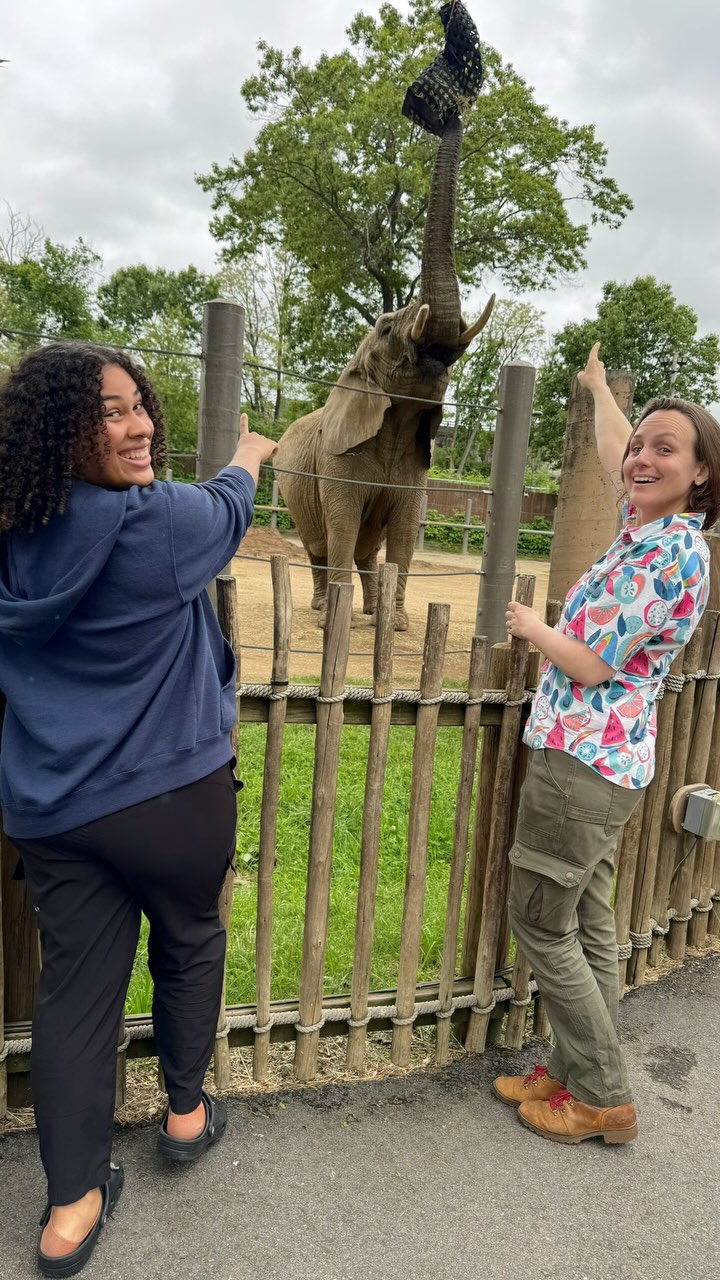
The joy and excitement of visiting a zoo are undeniable. Families, students, and tourists alike find zoos to be places of wonder and leisure. The opportunity to observe wildlife up close, participate in feeding sessions, and learn through storytelling captivates a wide audience. This engagement not only enriches personal experiences but also cultivates a broader understanding and appreciation of wildlife and their ecosystems.
Each element of a zoo visit, from observing animals to engaging in conservation programs, highlights why it’s always a good time at the Zoo. As modern zoos continue to evolve, they serve a greater purpose than ever before, ensuring the preservation of biodiversity and the education of future generations. Zoos represent a blend of education, conservation, and entertainment, making them valuable venues for both leisure and learning.
*****
Source Description
It’s always a good time at the Zoo! 😎🐘🦅🦖
