
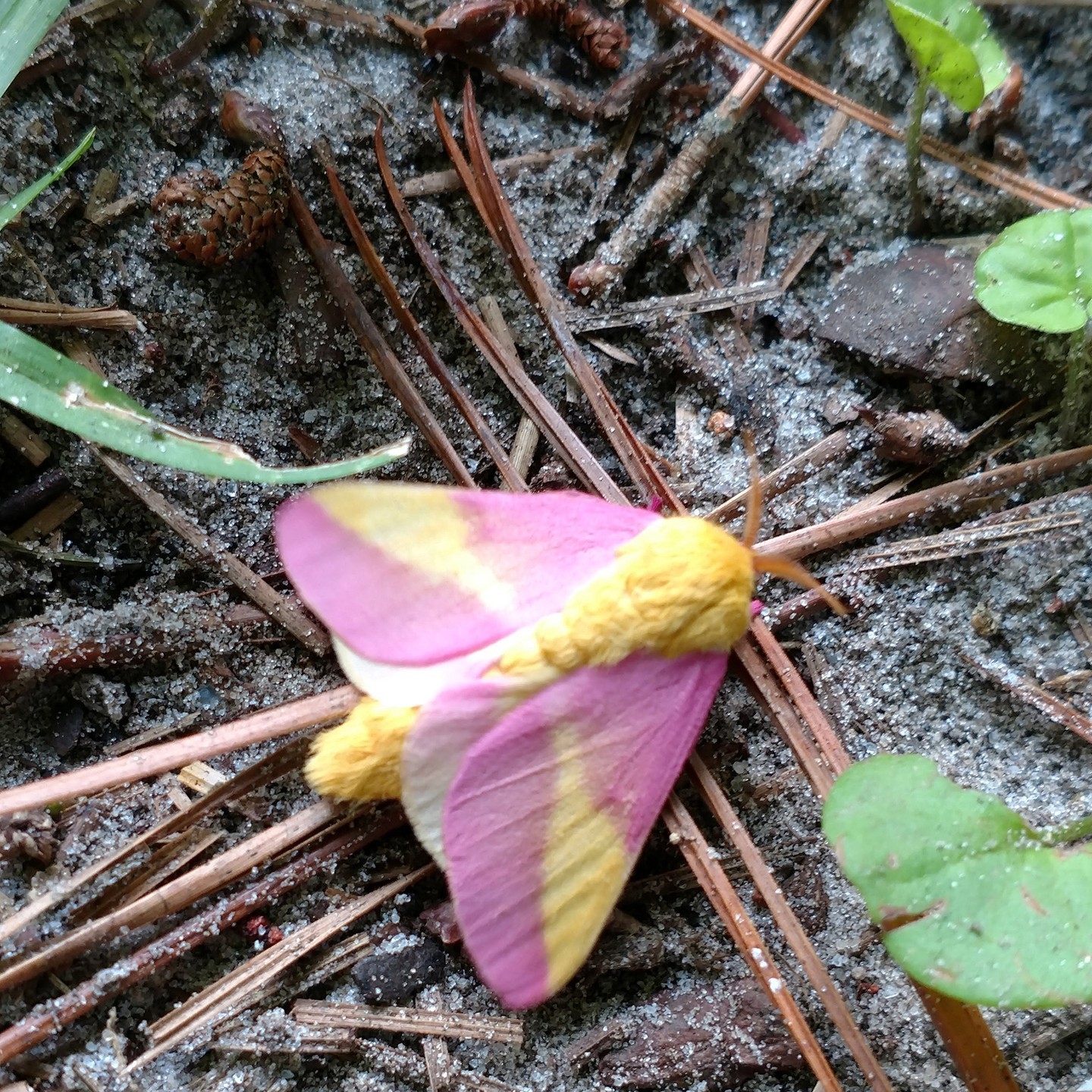
- The biology and classification of the rosy maple moth, Dryocampa rubicunda.
- Lifecycle stages, including the caterpillar and adult phases.
- Habitat preferences and dietary habits of the rosy maple moth.
- The ecological role of the rosy maple moth in its environment.
- Conservation efforts and the importance of protecting this species.
The rosy maple moth, scientifically known as Dryocampa rubicunda, presents a compelling example of North American lepidoptery. This small moth belongs to the family Saturniidae, commonly referred to as great silk moths. Recognized for their striking pink and yellow coloration, these moths not only captivate observers but also contribute significantly to their ecosystems.
From a biological perspective, the rosy maple moth falls under the order Lepidoptera. Within the Saturniidae family, it is part of the subfamily Saturniinae. The striking appearance of the rosy maple moth is not merely ornamental; its vivid colors can serve as a warning signal to potential predators that it may be unpalatable. This type of coloration, known as aposematism, is a fascinating feature in the study of evolutionary biology.
The lifecycle of the rosy maple moth is a remarkable process, marked by several transformative stages. Starting as eggs, which are typically laid on host plant leaves, they hatch into caterpillars commonly referred to as “green-striped mapleworms.” This larval stage is primarily focused on growth, consuming large quantities of foliage from their preferred host plants, which include red maple, silver maple, and sugar maple. Oak leaves are also occasionally part of their diet, though not their primary choice.
As the caterpillars mature, they undergo several molts, known as instars. This series of growth phases showcases how these insects adapt to their environment by increasing in size and altering their coloration. Once fully grown, the caterpillars enter the pupal stage. They spin a silk cocoon, often attaching themselves to the underside of leaves or within the detritus on the forest floor. This cocooning phase is crucial for metamorphosis.
Emerging as adults, the rosy maple moths exhibit sexual dimorphism; males are generally smaller than females. Adult rosy maple moths have a wingspan ranging from 2 to 3.5 inches, displaying their signature pink and yellow hues prominently. These adult moths are mostly nocturnal and are attracted to lights, which can lead to their discovery by casual observers.
The habitat preferences of the rosy maple moth are deeply tied to their lifecycle. They thrive in deciduous forests, where their primary food sources are abundant. During early summer, you can find these moths in areas with accessible maple trees. Their association with specific host plants underscores the need for maintaining healthy forest ecosystems. Planting host trees in residential areas can enhance the chances of encountering these charming insects.
The ecological role of the rosy maple moth is often underestimated. As both a caterpillar and an adult moth, they serve as food sources for various predators, including birds and small mammals. Additionally, they participate in pollination, supporting the growth of various plant species within their habitats. The caterpillars also contribute to the nutrient cycle, breaking down foliage and allowing for energy transfer through the ecosystem.
However, the rosy maple moth faces challenges due to habitat loss and environmental changes. Urbanization and deforestation significantly reduce their natural habitats. Climate change poses another threat by altering the availability of host plants and the timing of life cycle events. To mitigate these threats, conservation efforts are essential.
Protecting the environments where rosy maple moths thrive is vital. Encouraging urban landscaping with their preferred host plants can promote their presence. Furthermore, public education about the ecological importance of these moths fosters a sense of stewardship. Awareness campaigns can engage communities in protecting local biodiversity and recognizing the value of even the smallest creatures.
Entomologists and conservationists stress that studying species like the rosy maple moth provides insight into broader ecological health. Monitoring their populations can be an effective indicator of environmental changes. Moreover, preserving the habitats of this moth contributes to the conservation of many other species within the same ecosystem.
In sum, the rosy maple moth, Dryocampa rubicunda, stands as both a visual marvel and an essential component of its ecosystem. Understanding its biology, lifecycle, and ecological role offers valuable insights into the intricate balances of nature. Emphasizing conservation practices for this moth can, in turn, safeguard the integrity of its environment and enhance our shared natural heritage.
Encouraging educational initiatives involving local schools and communities can help foster an appreciation for such species. Citizen science projects that include tracking local moth populations are an effective way to engage the public. By learning about the rosy maple moth’s habitat and lifecycle, individuals become more invested in preserving it.
In the end, the rosy maple moth is an important piece of the larger puzzle in North American biodiversity. Recognizing its role and advocating for its conservation can help to maintain healthy ecosystems. Those who plant maple trees and create suitable environments can play a key part in ensuring this colorful moth continues to thrive in our surroundings.
The rosy maple moth, Dryocampa rubicunda, serves as a reminder of the intricate connections within our natural world. Protecting this species can lead to better overall ecosystem health. Each individual has the power to make a difference by supporting biodiversity at home and in their communities. Collectively, these efforts can create a more sustainable future for all species, including the delightful rosy maple moth.
*****
Source Description
🩷 ʚїɞ 💛 The rosy maple moth, Dryocampa rubicunda, is a small North American moth in the family Saturniidae, also known as a great silk moth. They’re easily identifiable by their bright pink and yellow coloration!
🍁🐛 Rosy maple moth caterpillars are sometimes called “green-striped mapleworms.” They like to eat red maple, silver maple, and sugar maple leaves. They will also sometimes eat oak leaves. Plant their favorite trees in your yard for a better chance to see them! 🌷🌿
