
- The significance of experiential learning for children with chronic illnesses
- An overview of cystic fibrosis and its impact on daily life
- The role of aquariums in wildlife education and conservation
- The African penguin’s ecological situation and importance
- Community support and its effect on the well-being of families facing illnesses
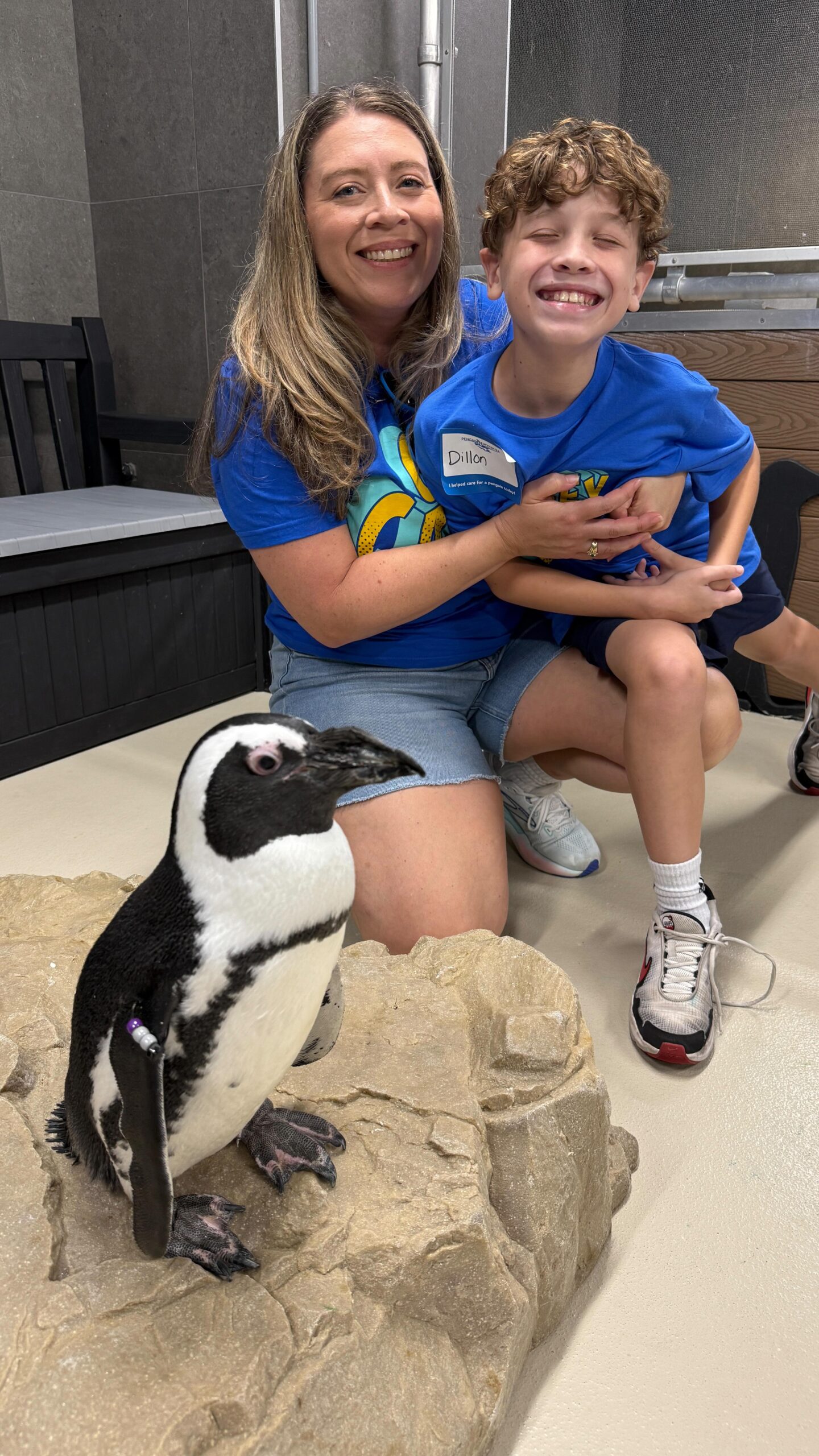
Experiential learning acts as a vital tool in enriching the lives of children, especially those dealing with chronic conditions. For Dillon, a 10-year-old with cystic fibrosis, a private visit to the Florida Aquarium to meet African penguins represented more than just a field trip. It provided a break from the rigors of daily treatments and hospital visits, allowing him a moment to smile and enjoy life as a child. These experiences are not only enjoyable, but they are also instrumental in fostering resilience and emotional well-being, which is crucial for children facing health challenges.
Cystic fibrosis (CF) is a genetic disorder that severely affects the lungs and digestive system. It is caused by a mutation in the CFTR gene, leading to the production of thick, sticky mucus that can clog airways and create breeding grounds for bacteria. Patients like Dillon often endure intensive daily treatments, including inhalation therapies and regular visits to healthcare facilities. The constant need for medical attention can make it challenging for children with CF to experience typical childhood joys. Thus, participating in events like those organized by the Casey Cares Foundation allows kids like Dillon to enjoy life beyond their medical condition, promoting emotional resilience and fostering social connections that are vital for their overall well-being.
Aquariums play a crucial role in wildlife education and conservation, serving as accessible gateways for the general public to learn about marine and terrestrial species. They engage children and adults alike with engaging exhibits and educational content focused on biodiversity and environmental stewardship. Instilling a sense of connection with animals, like the delightful African penguins, enhances public awareness about conservation issues and encourages future generations to participate in wildlife preservation efforts. This holistic approach allows individuals to appreciate the natural world and understand the importance of protecting it for future generations.
The African penguin, native to the coastlines of Southern Africa, is an emblematic species of the marine ecosystem. Once abundant, their population has experienced a drastic decline due to various factors, including overfishing, habitat loss, and climate change. Currently classified as endangered, African penguins are a vital piece of their ecosystem, acting as indicators of ocean health. Educating young visitors about these penguins fosters deeper knowledge of ecological interdependence and the challenges marine life faces. As children like Dillon learn about these creatures, they also develop a caring attitude toward protecting their habitat and the ocean’s biodiversity.
Community support significantly impacts families dealing with chronic illnesses, providing resources, emotional backing, and meaningful moments. Programs like those offered by Casey Cares create memorable experiences that help alleviate some of the stress children and their families face daily. These moments can lead to lasting memories, reminding the children of their strength and ability to overcome adversity. In this case, Dillon’s visit to the Florida Aquarium was made possible due to the generosity of donors and supporters who contribute to the foundation’s mission. Their commitment demonstrates that collective efforts can lead to tangible impacts in the lives of those dealing with illnesses.
Through interactions like Dillon’s visit, participants gain knowledge that informs their personalized advocacy for wildlife and conservation. Children who engage with animals may grow up to become stewards of the environment, pushing for supportive policies around wildlife conservation and sustainability. The experience encourages them to become proactive, not only in their health journeys but also in addressing wider environmental issues. By connecting young visitors with animals, aquariums like the Florida Aquarium create passionate advocates for the natural world.
Moreover, the experience of meeting African penguins, in particular, offers significant educational value. These flightless birds possess unique adaptations that allow them to thrive in their aquatic environment. While they cannot fly, their streamlined bodies make them excellent swimmers. They can reach speeds of up to 20 miles per hour when swimming, using their paddled wings and strong muscles to navigate through water effectively. This biological aspect illustrates the diversity and specialization of life forms, encouraging children to appreciate the wonders of evolution and adaptation in different species.
In addition to their physical capabilities, African penguins exhibit fascinating social behaviors. They are highly social animals that often rely on collaboration for survival. For example, they may work together to keep a lookout for predators while others foraging for food. Understanding these social structures allows children to draw parallels to their social experiences and friendships. It fosters empathy, encouraging them to consider the feelings and experiences of others, whether they are humans or animals.
Education does not solely occur within the confines of classrooms. Opportunities for hands-on learning—especially those that involve living creatures—enhance cognitive retention. By engaging with live animals, children like Dillon are more likely to remember what they learn about the African penguin’s habitat, diet, and conservation needs, helping to solidify a foundation of environmental stewardship.
The threats facing African penguins underscore the urgent need for conservation efforts. Their struggle against dwindling populations calls for immediate action to protect their habitats and oceans. Ongoing research continues to highlight the role of marine pollution and changing climates in their decline. As children learn about these issues through their interactions with penguins, they begin to grasp the importance of mindful interaction with their environment. They may become advocates for reducing plastic pollution or promoting sustainable fishing practices within their communities.
The Florida Aquarium’s involvement in educational outreach highlights the importance of zoos and aquariums in wildlife conservation. Not only do these institutions provide sanctuary to displaced or endangered species, but they also channel resources into research and outreach programs. By participating in active conservation projects, such as monitoring penguin populations and rehabilitating injured marine mammals, these facilities contribute significantly to ecosystem preservation efforts.
The support of the local community and educational institutions plays a vital role in wildlife conservation. Involving children in the conversation about conservation can cultivate a sense of responsibility and concern for the planet. Events like Dillon’s visit serve dual purposes: they create cherished memories while also raising awareness about the roles individuals can play in advocating for animals at risk.
To promote long-term changes in perceptions and behaviors toward conservation, outreach programs must reach diverse audiences. They can encourage both children and adults to engage with nature in their day-to-day lives, inspiring actions such as participating in clean-up days, promoting wildlife-friendly practices, or volunteering with local conservation organizations.
By extending knowledge beyond traditional formats, the lessons learned during hands-on interactions with wildlife can resonate more deeply with children. They serve as ambassadors for change in their communities, armed with firsthand experiences that make complex environmental issues relatable. These future generations hold the potential to influence policies and practices that impact wildlife conservation efforts globally.
As Dillon continues his journey with cystic fibrosis, days out like his recent trip will remain integral to his development. Experiences such as meeting African penguins not only act as a respite from treatment routines but also ignite passions for wildlife and environmental stewardship. The laughter and joy shared during such occasions speak volumes about the power of community, support, and the natural world.
Dillon’s story exemplifies the intersection of health and environmental education. Through organizations like Casey Cares and institutions like the Florida Aquarium, children battling chronic illnesses can experience small joys amidst their challenges. This reinforces the idea that every child deserves moments of joy, adventure, and the opportunity to learn about the world around them, even in the face of life’s obstacles. Moments like these cultivate advocates for both personal and global health, ensuring future generations recognize the beauty and fragility of the world they inhabit.
*****
Source Description
This week, Dillon — a bright, brave 10-year-old living with cystic fibrosis — got to take a break from treatments and hospital visits for something truly special: a private visit to the @floridaaquarium to meet their African Penguins up close!
For kids like Dillon, these moments mean the world: a chance to smile, laugh, and just be a kid again. A huge thank-you to The Florida Aquarium for hosting Dillon and making this unforgettable day possible, and to our incredible supporters who help Casey Cares create little moments and lasting memories for children facing critical illness.
