
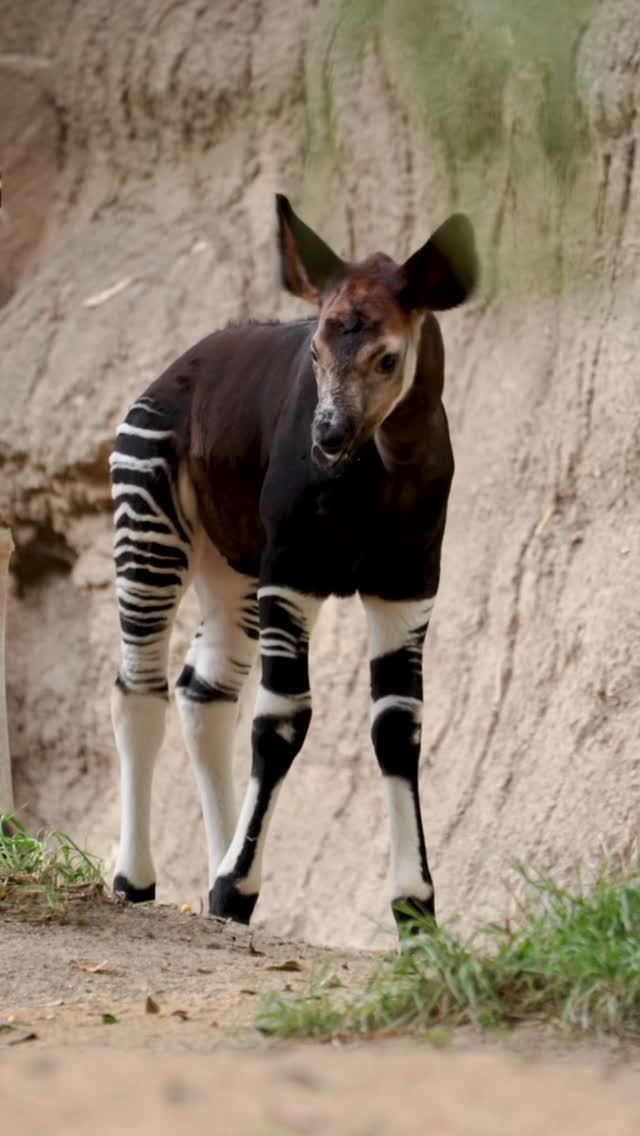
- Striped bootie cuties and their visual appeal
- The classification of okapis as forest giraffes
- Okapis as a species to capture your admiration
- Their habitat and conservation status
- Importance of celebrating World Okapi Day
Okapis, often referred to as “striped bootie cuties” due to their striking appearance, have captured the hearts of wildlife enthusiasts and casual observers alike. This incredible animal features a unique blend of attributes that make them one of the most interesting species in the animal kingdom. Their striped hindquarters and elongated necks resemble those of a giraffe; however, they are more closely related to zebras. The defining stripes on their thighs are reminiscent of a zebra’s markings, adding to their charm and appeal.
These captivating creatures are indigenous to the dense forests of the Democratic Republic of the Congo (DRC). Their elusive nature and limited habitat make them a rare sight. It is this combination of beauty and rarity that earns them the nickname “striped bootie cuties.” Moreover, their unique coloring and stature make them a fascinating subject for wildlife documentaries and photography, further endearing them to anyone who encounters them.
Next, okapis are classified as forest giraffes within the Giraffidae family. While they share some similarities with their taller cousins, the giraffes, okapis are specifically adapted to their forest environment. Unlike the open savannahs where giraffes roam, okapis thrive in the cool, shaded environments of the rainforest. This adaptation has resulted in a shorter stature, with adult okapis standing around 4 to 5 feet at the shoulder. Their long necks, though less pronounced than those of giraffes, allow them to reach leaves and foliage found in the dense underbrush.
Moreover, their tongue, which can extend up to 18 inches, is particularly versatile. It is not only used to grasp foliage but also for grooming. This ability to navigate through thick vegetation establishes the okapi as a vital player in their ecosystem. Understanding their classification as forest giraffes reinforces the importance of conserving their habitat, especially as deforestation and human encroachment threaten their existence.
For many, okapis become “your new favorite species” once they learn about their behavioral traits and ecological role. Their calm demeanor and social structures are intriguing. Okapis are generally solitary but maintain a loose social order, often communicating through low vocalizations and scent-marking. Captive breeding programs and conservation efforts have also highlighted their gentle nature, appealing to animal lovers worldwide.
Their diet predominantly consists of leaves, fruits, and plant material, illustrating their role as browsers. By feeding on a variety of flora, they contribute to the maintenance of the forest ecosystem. They act as natural pruners, stimulating growth in plants by selectively eating certain leaves. This not only supports biodiversity but also aids in habitat regeneration.
However, the beauty of the okapi is matched by its vulnerability. They are currently classified as endangered, with their population declining severely due to habitat loss and poaching. Celebrating World Okapi Day serves as a reminder of the critical need for wildlife conservation. Education and awareness initiatives can play a significant role in protecting these remarkable animals and their habitats.
One of the key focuses of World Okapi Day is to highlight the importance of preserving the DRC’s rainforests, which are essential for the survival of the okapi. Conservation organizations work tirelessly to raise funds and awareness for habitat preservation, anti-poaching efforts, and community education. Engaging with local populations is crucial, as it is often communities that are most affected by wildlife conservation efforts.
Through various campaigns, awareness programs, and educational seminars, people can learn to appreciate the unique beauty and ecological significance of the okapi. By emphasizing the animal’s characteristics and contributions to its habitat, conservationists aim to garner support for initiatives that will protect not only the okapi but also the unique environment it inhabits.
The visual appeal of the okapi, characterized by its striking patterns and elegant stature, undoubtedly plays a role in its popularity. Nature documentaries and social media have introduced the species to a broader audience, fostering admiration and support. These platforms create an opportunity for individuals to witness the okapi’s beauty and understand its importance in the ecosystem.
Certainly, there are more ways to celebrate World Okapi Day than just learning about their deliciously cute looks. Indeed, people can advocate for conservation efforts through social media campaigns, fundraising initiatives, and support for zoos engaged in breeding programs. Community events can also serve to educate attendees about the challenges faced by this endangered species, inspiring a new generation of conservation advocates.
Overall, the striped bootie cutie embodies the delicate balance of nature, making them a vital species to cherish and protect. For those seeking to expand their understanding of wildlife, okapis are an excellent gateway. Not only are they aesthetically pleasing, but they also underscore the importance of preserving biodiversity.
Their role as forest giraffes and their status as endangered species further elevate their significance in wildlife conservation discussions. Curbing illegal poaching through legal protection and rehabilitation initiatives can help ensure future generations will admire these extraordinary animals in their natural habitats.
Engagement with these issues is essential, particularly on days like World Okapi Day when we can reflect on the interconnectedness of all life forms. Understanding the ecological roles that species like the okapi play can inspire a deeper commitment to wildlife conservation.
Aside from discussions centered on their features and ecological roles, the social and cultural implications of conservation efforts highlight the impact of education on global conservation practices. As each effort aimed at protecting okapis is essentially a step towards preserving the entire rainforest ecosystem, an urge for individuals to engage and support these missions makes a meaningful difference.
By effectively combining advocacy, education, and appreciation for wildlife, we can instigate positive changes that benefit not just okapis but countless other species inhabiting fragile ecosystems. Attention to these details creates a harmonious relationship between humanity and nature, promoting sustainable practices and long-lasting ecological balance.
The okapi informs us of the beauty and diversity of life on earth, urging us to act with responsibility and care towards the natural world. As we celebrate World Okapi Day, let us remember the significance of protecting our planet’s species and habitats, recognizing that the future of animals like the okapi depends on shared commitment and concerted actions.
*****
Source Description
Three ways to describe Okapis on World Okapi Day 🤎🦓
A. Striped bootie cuties
B. Forest giraffes
C. Your new favorite species
