
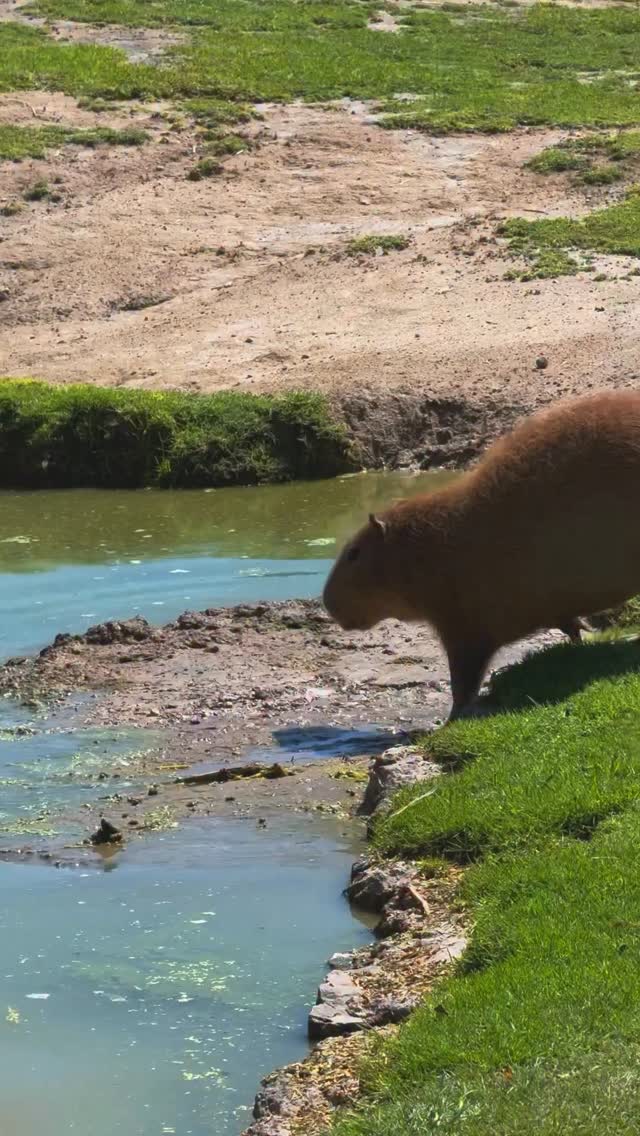
- Capybaras: Overview of their swimming capabilities and adaptations.
- Their behavior in the water for cooling and protective purposes.
- Role of water in the habitat and daily life of capybaras.
- Conservation efforts and the care of capybaras in captivity.
- Importance of understanding capybaras in the context of wildlife preservation.
Capybaras, scientifically known as Hydrochoerus hydrochaeris, stand out as remarkable swimmers in the animal kingdom. These large rodents, native to South America, hold the title of the world’s largest rodent. They are fantastically adapted for life both on land and in water. Their long, streamlined bodies and webbed feet facilitate swimming, allowing them to glide effortlessly through aquatic environments. With these adaptations, capybaras can submerge themselves underwater, using this capability to escape predators or simply to cool off on hot days.
Capybaras can stay submerged for several minutes. This ability is crucial for their survival, particularly in their native habitats such as wetlands, rivers, and lakes throughout the tropical and subtropical regions of South America. When threatened by predators like caimans, jaguars, or even large birds, capybaras can dive and remain hidden below the water’s surface. Their eyes, ears, and nostrils are strategically located on the top of their heads, allowing them to see and breathe while most of their bodies remain submerged. This anatomical design serves as an efficient concealment strategy that enhances their chances of survival in a predatory landscape.
Water serves multiple roles in the lives of capybaras. Beyond a mode of escape, water provides thermal regulation. Capybaras do not tolerate high temperatures well, so swimming helps them cool down during sweltering weather. On exceptionally hot days, they are often seen lounging near or in water, immersing themselves to maintain a stable body temperature. Their unique adaptations allow them to thrive in these environments, promoting their social structures and behaviors.
Capybaras also demonstrate a fascinating social behavior shaped by their semi-aquatic habitat. These animals are highly social creatures, often forming groups of 10 to 20 individuals, though larger groups have been reported. Within these groups, capybaras share communal swimming areas, which further reinforces social bonds. This group dynamic aids in protecting individual members from predation. Staying close together while in the water creates a sense of security, as the group can react quickly to threats.
In terms of parenting, female capybaras give birth to relatively mature young, which can swim almost immediately after birth. This early independence is vital, as capybara pups have to quickly learn the ropes of life in both land and water. Their mothers keep them close while they start to explore, fostering an environment of both protection and gradual independence. Observing this nurturing behavior highlights the importance of water in the early development of capybaras.
Understanding capybaras and their habitat contributes to broader conservation efforts. Their populations have faced threats from habitat destruction, hunting, and climate change. Efforts to protect wetlands and manage wild capybara populations focus on maintaining healthy ecosystems where these animals can thrive. Additionally, the role of capybaras in their ecosystem as grazers is significant. They consume a variety of grasses, thus impacting plant growth and offering a food source for other species in their environment.
At Africam, the care and management of capybaras emphasize replicating their natural habitats to foster their well-being. They have spacious enclosures equipped with water features that allow capybaras to engage in natural swimming behaviors. The focus on habitat enrichment includes providing environmental stimuli that mimic their natural surroundings. This prioritization of their needs helps promote physical activity and mental stimulation, crucial aspects of animal husbandry.
The conservation of capybaras serves as a vital lesson in the interconnectedness of species and ecosystems. By educative efforts focused on their natural behaviors and needs, awareness can be raised. The conservation of capybaras advocates for protecting their habitats, supporting biodiversity, and fostering larger wildlife preservation initiatives.
In the wider context of zoology and wildlife conservation, capybaras represent a species that bridges the gap between human interaction and natural ecosystems. They embody how understanding animal behaviors can inform critical actions in conservation. As more people become aware of capybaras’ ecological roles and impressive adaptations, the support for continued conservation efforts may grow stronger.
Over time, capybaras have established a presence in urban settings, often leading to human-wildlife conflicts. Some areas have seen increased capybara populations due to urban sprawl, drawing attention to their adaptability and resilience. This situation calls for improved coexistence strategies, ensuring that capybaras can thrive without disruption to their natural behaviors.
Educating the public about the daily lives of capybaras cultivates an appreciation for wildlife and encourages proactive conservation attitudes. Learning about their adept swimming capabilities, social structures, and habitat needs fosters a deeper understanding of the challenges they face in the wild.
By showcasing the extraordinary capabilities of capybaras, we can promote a broader commitment to preserving not just them, but the diverse ecosystems that support them. Protecting wetlands and other vital habitats safeguards numerous species that share these environments, emphasizing an ethical imperative in wildlife management.
The essential focus remains on conservation and responsible stewardship of natural spaces. Establishing protected areas and conducting scientific research contribute to the long-term survival of capybaras along with countless other species. Success in these areas will depend on a collaborative effort among governments, wildlife organizations, and communities to foster a sustainable future for all wildlife.
With a deeper appreciation of capybaras’ role in their ecosystems and their adaptability as swimmers, we can enhance our efforts to conserve them and their habitats. Promoting education and awareness surrounding significant species like capybaras is paramount for achieving authentic, meaningful wildlife conservation.
Ultimately, the skills and adaptability of capybaras should inspire us to continue supporting efforts dedicated to wildlife preservation and environmental health. As stewards of the planet, we hold the responsibility to maintain habitats that allow capybaras and other species to thrive. Through the lens of animals like capybaras, we gain a better understanding of the intricate balances within ecosystems and the importance of safeguarding biodiversity for future generations.
*****
Source Description
Los capibaras son expertos nadadores. 💚
Pueden permanecer varios minutos bajo el agua y utilizan este recurso no solo para refrescarse, sino también para protegerse.
En Africam cuidamos cada espacio para que disfruten del entorno que más aman.
