
- The significance of Throwback Thursday and its role in social media engagement
- Overview of green sea turtle rehabilitation and their environmental importance
- The collaborative efforts in turtle rehabilitation, highlighted by the Karen Beasley Sea Turtle Rescue and Rehabilitation Center
- The physiological and ecological aspects of releasing rehabilitated turtles into the wild
- The impact of community and organization partnerships on wildlife conservation efforts
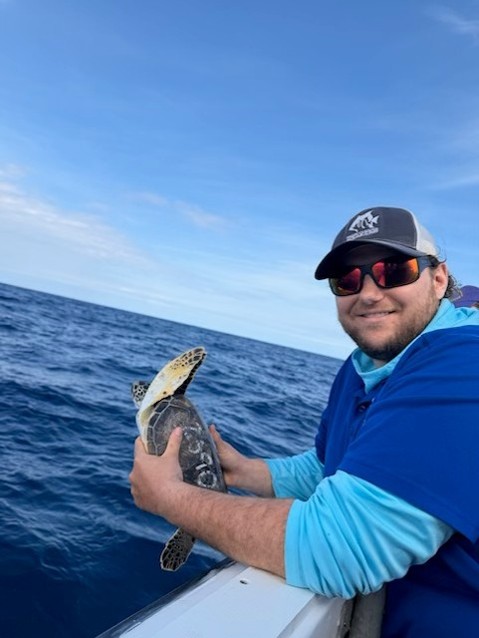
Throwback Thursday (TBT) has grown into a popular trend on social media platforms, allowing individuals and organizations to reflect on past events. Sharing a picture of an aquarist releasing a rehabilitated green sea turtle two weeks ago exemplifies this trend. This specific event shines a light on the critical rehabilitation work being done for sea turtles, a species facing significant threats due to human activities and environmental changes.
Green sea turtles are listed as threatened under the Endangered Species Act. Their habitats are increasingly stressed by pollution, climate change, and habitat loss. The act of rehabilitating these turtles serves not only as a rescue mission but also as a pivotal moment in their lifecycle, helping them regain strength and health before being returned to the ocean. The importance of such rehabilitation cannot be overstated; it is vital for the survival of the species. By sharing this heartwarming photo on Throwback Thursday, organizations raise awareness about conservation efforts, encourage community involvement, and spread educational messages.
In this instance, the turtle was assisted by the Carolina Princess, which provided transport to warmer waters, crucial for the turtle’s health and future survival. Sea turtles are cold-blooded animals and can struggle in colder temperatures. The transition to warmer waters enhances their recovery. This event also enabled the release of 48 sea turtles in a single day, showcasing the cumulative efforts of local rehabilitation programs.
The Karen Beasley Sea Turtle Rescue and Rehabilitation Center plays a central role in this rehabilitation process. Established with the mission to rescue, rehabilitate, and release injured and sick sea turtles, they have successfully treated thousands of turtles since their inception. Each year, numerous turtles undergo rehabilitation due to injuries from fishing gear, boat strikes, and marine debris.
In conjunction with facilities like those at North Carolina Aquariums, the collaborative efforts demonstrate a comprehensive approach to wildlife conservation. The pivotal role played by groups like the NC Wildlife Resources Commission cannot be overlooked. Their policies and initiatives set the framework for responsible wildlife management and rehabilitation. Partnerships form the backbone of effective conservation strategies, combining resources, specialized knowledge, and community support.
The physiological challenges faced by rehabilitated sea turtles are considerable. Upon arrival at a rehabilitation center, turtles often undergo extensive health assessments. Common ailments include pneumonia, intestinal blockages, and malnutrition. Treatments may vary from medication to surgery, depending on the condition. The rehabilitation process takes months, during which turtles regain weight, strength, and the ability to swim effectively.
One critical aspect of turtle rehabilitation is the commitment to ensuring that these turtles are prepared for life back in the ocean. This preparation includes assessing their swimming endurance and developing skills necessary for hunting and evading predators. Rehabilitation centers often simulate natural environments in their tanks to acclimate the turtles. By doing so, they enhance the turtles’ chances of survival post-release.
The successful release of turtles, especially in large numbers, reflects the efficiency of the combined efforts between various conservation entities. The logistical arrangements for such a release are complex. Coordination between transportation services, organizations, and volunteers underscores the extent of community involvement in these conservation initiatives. It highlights how organized efforts can lead to significant impacts on wildlife populations.
Sea turtles are essential for their ecosystems. They contribute to marine health by grazing on seagrass, promoting the growth of underwater plants, and maintaining the ecological balance. Their existence affects the food web and the dynamics of marine environments. Thus, each rehabilitated turtle returned to the ocean carries immense ecological significance.
Community awareness and involvement play a crucial role in wildlife conservation, especially in initiatives like those undertaken by the Karen Beasley Sea Turtle Rescue and Rehabilitation Center. Educational programs offered by these organizations extend knowledge about sea turtle conservation and enhance public engagement. The success of these efforts often depends on local volunteers, schools, and community groups mobilizing to protect nesting sites and reduce marine debris.
Social media has transformed how conservation efforts are communicated. By sharing Throwback Thursday photos of successful rehabilitation stories, organizations can foster a sense of connection and encourage further participation from the public. The nostalgic feel of TBT may inspire individuals to reflect on their experiences with nature and motivate them to engage in conservation activities.
Additionally, partnerships among organizations, scientists, and the community amplify the impact of these rehabilitation efforts. The use of social media platforms allows these organizations to share successes, garner donations, and recruit volunteers. It creates a collective voice for conservation, making it easier to reach wider audiences who can contribute to the cause.
In essence, every rehabilitated green sea turtle represents hope for a more balanced ecosystem. The ongoing collaboration, community support, and shared love for wildlife highlight the paramount importance of sustained conservation efforts. Throwback Thursdays provide an excellent opportunity to showcase these successes, inspire others, and advocate for continued action concerning wildlife protection.
The journey of a rehabilitated turtle, from its initial care to its release back into the ocean, encapsulates the hard work and commitment of individuals and organizations dedicated to wildlife conservation. This journey not only restores the individual’s natural role in the ecosystem but also serves as a reminder of the collective power of community efforts.
As we reflect on this Throwback Thursday photo, it reinforces the notion that conservation can truly make a difference. By supporting these initiatives, we contribute to safeguarding our natural heritage for future generations. The significance of releasing healthy green sea turtles into the wild transcends individual stories; it embodies the broader narrative of conservation, resilience, and the interconnectedness of species on our planet.
Active engagement through social media can amplify this narrative and draw attention to the pressing issues faced by sea turtles. By sharing information and encouraging dialogue, organizations can work toward creating a more informed public. Education is paramount for fostering long-term support for wildlife conservation.
It’s evident that wildlife rehabilitation extends beyond the act of rescue; it’s about nurturing natural ecosystems and fostering relationships within communities. As more individuals become aware of the importance of these efforts, support for sea turtle rehabilitation continues to grow. Understanding their ecological role and the threats they face helps cultivate a culture committed to protecting these magnificent creatures.
This Throwback Thursday serves as a reminder of the importance of collaboration, education, and community involvement in wildlife conservation. It highlights the ongoing need for support in rehabilitation efforts and the critical role we all play in protecting precious species like the green sea turtle. Each small act contributes to a larger mission of environmental stewardship and the preservation of biodiversity.
Through continued education and outreach, we can foster an environment where wildlife rehabilitation thrives, leading to healthier ecosystems and a sustainable future for generations to come.
*****
Source Description
Throwback Thursday to two weeks ago! We wanted to share this photo of one of our aquarists helping to release a rehabilitated green sea turtle back into the wild!
This little guy was able to hitch a ride on the Carolina Princess in Morehead City out to warmer waters. Thanks to The Karen Beasley Sea Turtle Rescue and Rehabilitation Center for setting up transport for this little turtle and so many other turtles!
That day, KBSTRRC released 48 sea turtles – 37 rehabilitated at the hospital and 11 rehabilitated at North Carolina Aquariums. We just love seeing how after months of care these healthy turtles are able to swim out in the ocean.
Our rehabilitation efforts are under the NC Wildlife Resources Commission and it really takes a team to help these amazing creatures.
