
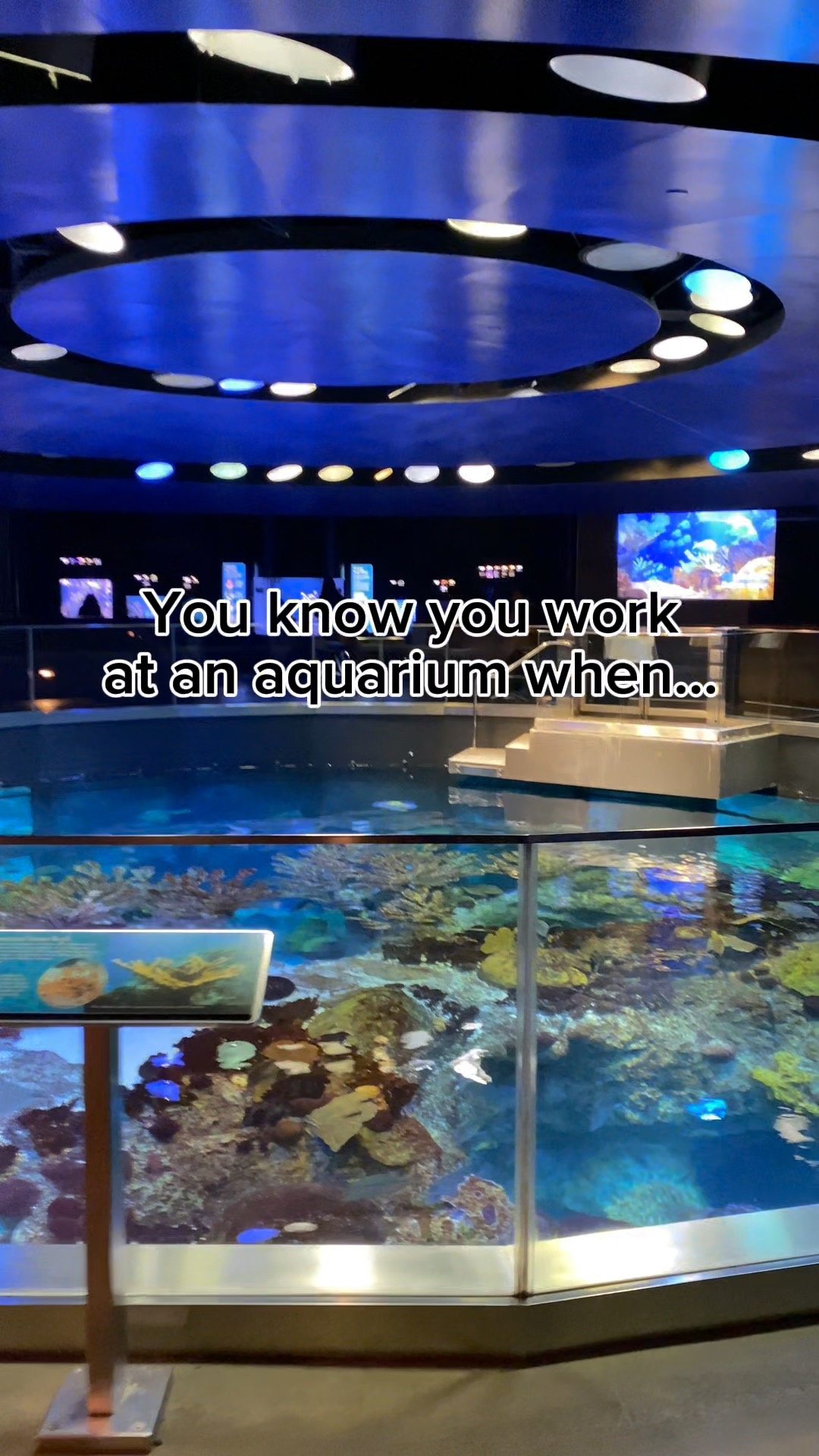
- The diverse range of species you care for daily.
- The surreal interactions you have with animals.
- The challenges and rewards of aquarium maintenance.
- The community and teamwork involved in running an aquarium.
- The outreach and educational roles aquariums play in society.
Working at an aquarium offers a distinctive blend of experiences, responsibilities, and possibilities that extend beyond simply caring for marine life. The sheer diversity of species housed within an aquarium is astounding, comprising nearly 10,000 animals. Each species offers unique care requirements, behavioral traits, and ecological significance. Staff members immerse themselves in the nuances of each animal’s habitat and needs. Knowledge of water temperature, pH levels, dietary sources, and social structures becomes second nature. Employees often find themselves familiarizing themselves with animals like jellyfish, sea turtles, and various fish species to ensure their health and well-being.
The interactions that aquarium staff have with animals can be surreal and enriching. The thrill of observing a sea otter cracking open shells or the grace of a stingray gliding through the water captures the essence of marine life. Each moment with these creatures can be enlightening. Such encounters often deepen staff members’ understanding of animal behavior and emotional intelligence. Animals exhibit a range of responses, whether through playfulness or curiosity, offering invaluable insights that can inform conservation efforts.
Yet, working at an aquarium is not without its challenges. Maintenance work demands attention to detail, requiring regular cleaning of tanks, monitoring of animal health, and ensuring safety for both the animals and visitors. Water quality management is critical. Staff must constantly test and adjust the water parameters, which can fluctuate rapidly. Equipment failures, such as pumps or filtration systems breaking down, create additional difficulty. Staff need to be quick-thinking and resourceful to address these unforeseen issues, making knowledge of operational processes a key skill.
Community and teamwork are vital components of an aquarium’s success. Each employee contributes to a larger mission. From aquarists and animal trainers to educators and administrative staff, everyone plays a role in creating a seamless experience for both animals and visitors. This collaborative spirit fosters a unique bond among coworkers, who often form friendships grounded in shared passions for marine biology and conservation. Working together not only enhances efficiency but also strengthens a sense of purpose and mission.
Aquariums play a significant outreach role in society, serving as conduits for education and awareness about marine ecosystems. They engage the public through programs designed to foster an appreciation for aquatic life. Visitors learn about conservation efforts, biodiversity, and the environmental challenges our oceans currently face. Staff often participate in community events and school programs, disseminating valuable information about marine conservation. This educational mission is a key pillar in promoting environmental stewardship, encouraging audiences to take action for marine ecosystems beyond the aquarium’s walls.
As the staff reflects on their experiences, those who work at aquariums often find themselves laughing at the idiosyncrasies of their jobs. For example, you know you work at an aquarium when a casual day often includes donning Crocs because they’re easy to clean after a messy encounter with a playful seal. The practicality of shoes becomes a matter of daily life as water splashes and aquatic creatures may inadvertently make a mess during feedings or habitat maintenance.
Understanding the scope of animal well-being often translates into non-stop thoughts about the creatures in their care. Employees find themselves dreaming about what more they can do for their animals, often contemplating how to enhance their environments. This constant drive for improvement showcases the dedication required in this profession.
Working at an aquarium also presents unique opportunities for personal growth. You learn the names of all the individual animals and their quirky traits. From watching how a specific octopus uses tools to recognizing a particular fish’s favorite hiding spot, the personal connections staff build with the creatures is rewarding. Moreover, you come to appreciate just how intelligent and social many marine species are. These observations often drive home the point that every creature plays a role in its ecosystem, which enlarges one’s view of marine life beyond the glass walls.
The aquarium environment instills a profound understanding of marine conservation. Employees quickly grasp the importance of educating the public on subjects like overfishing, pollution, and climate change. This understanding often turns into a passion for advocating for aquatic conservation issues. You know you work at an aquarium when conversations with friends and family turn into discussions about the implications of marine life conservation. You become a voice for the ocean, helping others to understand why it’s essential to protect these ecosystems.
Another fascinating aspect of being part of this community is the variety of expertise that one comes across. Each staff member contributes specialized knowledge, enriching the overall expertise available in aquariums. Some may focus on ichthyology, the study of fish, while others specialize in marine mammalogy or aquatic veterinary medicine. This diversity allows for rich discussions and collaborative projects that enhance the overall operation of aquariums.
For many employees, the opportunity to share knowledge is one of the most fulfilling aspects of their roles. Whether leading educational tours or engaging in question-and-answer sessions, staff members become educators. The joy of watching children’s eyes light up upon learning about marine ecosystems is a highlight. It solidifies the importance of using aquariums not just as a display of marine life but as a platform for fostering environmental consciousness in the younger generation.
Challenges extend to the financial aspects of operating an aquarium. Fundraising, grants, and securing sponsorships are crucial components that require collaboration across various departments. Staff must often participate in these efforts, helping to create engaging programs and exhibits that encourage public interest. You know you work at an aquarium when crafting engaging and informative social media posts becomes part of your daily routine. The competition for funding can sometimes feel overwhelming, yet the spirit of teamwork navigates employees through this labyrinth of limitations and challenges.
Moreover, the sense of urgency pervades various tasks, especially when addressing conservation needs. The global plight of marine habitats requires immediate action. Employees witness firsthand how critical conservation efforts are to marine species survival. They often engage in action-oriented initiatives, such as beach clean-ups, habitat restoration projects, and partnerships with other organizations focused on marine conservation. You know you work at an aquarium when those clean-up events are not just work; they become personal missions to protect our oceans.
The mental and physical demands of aquarium work can sometimes take a toll. Early mornings, long hours, and the emotional weight of caring for animals often challenge personal resources. Yet, the commitment to making a difference in marine conservation drives many to press through these difficulties. Aquarists often find themselves rejuvenated by the sheer joy of being around animals and seeing the immediate impact of their work.
With these rich experiences and responsibilities, engagement with the community broadens the scope of aquarium outreach far beyond traditional confines. Public programs, lectures, and interactive exhibits invite greater public interaction. This informal learning environment helps remove barriers between the general public and complex environmental issues.
As the tides of environmental challenges shift, the role of aquariums becomes even more critical. They not only serve as a sanctuary for aquatic species but also continually advocate for marine conservation’s importance. By sharing compelling stories and research findings, aquariums extend their educational reach globally, bridging the gap between marine science and societal awareness.
In summary, you know you work at an aquarium when you embody the dedication needed to care for nearly 10,000 amazing species. You share your love for marine life, strive to educate the public on critical conservation issues, and forge lasting bonds with coworkers and animals alike. Whether it’s donning your Crocs, dreaming about animal welfare, or collaborating with your passionate teammates, every moment spent working at an aquarium deepens your connection to the natural world. Your efforts contribute not only to animal care but also to a broader movement showcasing why our oceans must be safeguarded for future generations.
*****
Source Description
“You KNOW you work at an aquarium when…”
Our team had some answers! 😂
Shoutout to our staff who live in Crocs, dream about animal wellbeing, and work behind the scenes to care for nearly 10,000 animals.
Should we make a part 2? 👀
