
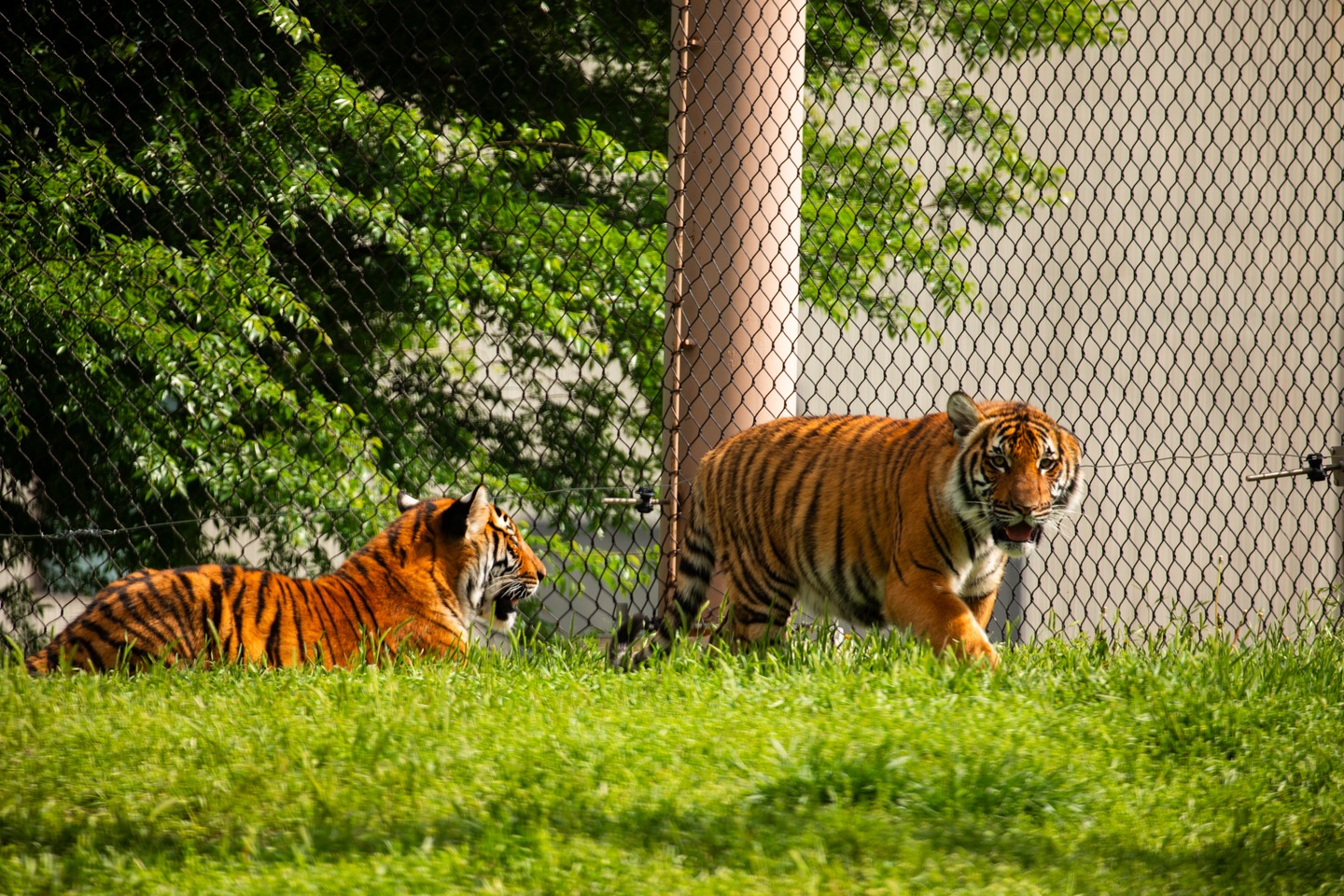
- Rava’s Injury and Recovery: Details about the injury sustained by the Malayan tiger cub, Rava, and the veterinary process that led to his recovery.
- Animal Care Strategies: Insight into the methods employed by zoo staff to support healing and reintegration of animals after injuries.
- The Social Structure of Tiger Cubs: Exploration of how tiger cub interactions impact their development and recovery.
- The Role of Zoos in Conservation: Discussion on how modern zoos contribute to wildlife conservation and education.
- Visitor Experience and Education: How Rava and his siblings influence visitor engagement and enhance learning opportunities regarding tigers and conservation efforts.
Rava’s Injury and Recovery
Rava, a young Malayan tiger cub, endured a common yet concerning mishap during an energetic play session with his siblings, resulting in an injury to his left ear pinna. Such incidents are not unusual in juvenile tigers who often engage in rough play as part of their natural behavior. Play is a crucial aspect of their development, facilitating physical coordination, social skills, and cognitive growth. Veterinary staff, skilled in handling tiger physiology, administered immediate care. They ensured that his treatment pathway effectively promoted healing while mitigating any long-term negative effects. Now healed, Rava’s ear sports a permanent tilt—a purely cosmetic feature that serves as a testament to resilience and expert intervention.
Animal Care Strategies
Zoo life entails careful balance, particularly when addressing animal welfare. During Rava’s recovery, animal care specialists employed strategic exhibition schedules by limiting his interactions to one or two siblings at a time. This approach reduced stress and physical strain on the healing ear while allowing for essential social contact. Overseen by a robust veterinary team, the protocol integrated nutrition, monitored activity levels, and observed social dynamics, creating optimal conditions for Rava’s recovery. These tailored interventions ensured minimal disruption to his typical behaviors and facilitated a seamless reintroduction with his entire sibling group.
The Social Structure of Tiger Cubs
Tiger cubs, known for their spirited nature, display a complex social structure that depends heavily on sibling interactions. This bonding is pivotal for their psychological and physical development. Rava’s temporary separation illustrates the delicate task of maintaining these social bonds while prioritizing health needs. Cubs learn critical survival skills through interaction, from play-fighting to exploring their surroundings. As part of a managed grouping, these behaviors are encouraged to mirror natural habitats. Understanding these dynamics is crucial for any zoo or conservation facility to create an environment fostering natural behaviors and ensuring well-rounded development.
The Role of Zoos in Conservation
Modern zoos are crucial players in wildlife conservation and education. Beyond being mere exhibits, they act as sanctuaries for genetic diversity and species preservation. Malayan tigers, like Rava, represent a critically endangered population. Zoos contribute to conservation through breeding programs, research, and public education. By providing a controlled environment that mirrors aspects of their natural habitat, zoos can curb survival threats faced in the wild, such as habitat loss and poaching. These institutions collaborate globally, forming conservation networks that pool knowledge and resources essential for the survival of species like the Malayan tiger.
Visitor Experience and Education
Educational engagement remains a cornerstone of zoo experiences. For visitors, encountering Rava and his siblings offers insights into tiger behavior and the broader implications of conservation efforts. Zoos leverage such interactions to educate the public on the challenges faced by endangered species. Interactive exhibits and guided learning connect visitors with the animal kingdom, fostering a deeper understanding of biodiversity and environmental stewardship. Rava’s resilient story serves as a narrative bridge, linking personal stories of survival with the broader goals of conservation advocacy. Through these conduit experiences, visitors gain appreciation, fostering stewardship for the ecosystems that these magnificent creatures inhabit.
The integration of Rava, a healthy Malayan cub, back into his sibling group is a testimony to thoughtful animal care and a commitment to conservation. His story provides insight into the nuanced and multifaceted role of modern zoos. By creating spaces for both learning and leisure, these institutions play a pivotal part in conserving biodiversity and educating the public. As visitors continue to engage with Rava and his siblings, they become a part of a larger narrative, one that seeks to ensure the survival and understanding of species that face the brink of extinction.
*****
Source Description
Tiger Cub Update! 🐅 In case you missed it, we previously shared that Rava, one of our male Malayan tiger cubs, injured his left ear pinna during a rowdy play session with his siblings. We’re happy to share that his ear is healed thanks to the expert care and treatment of our animal care and veterinary staff. While his ear was healing, Rava was on exhibit with one or two siblings at a time to help protect the healing process. His left ear will remain permanently tilted, but it’s purely cosmetic and won’t affect his daily life. Now that he’s healed, Rava can be on exhibit with all four of his siblings again. The full group may not always be visible together depending on their training and feeding schedules, but you can often spot Rava and the rest of the cubs playing and exploring in Lost Kingdom!
