
- Importance of Conservation Labs in Turtle Protection
- Threats Faced by Turtle Hatchlings
- Role of Invasive Species in Ecosystems
- Strategies for Successful Reintroduction to the Wild
- The Global Impact of Turtle Conservation Efforts
Conservation labs play a critical role in protecting vulnerable turtle species by offering a controlled environment where young hatchlings can safely grow. These facilities provide safety from natural predators and invasive species that pose significant risks to their survival. In this article, we explore the intricate processes involved in conserving and reintroducing tiny turtle hatchlings back into their natural habitat.
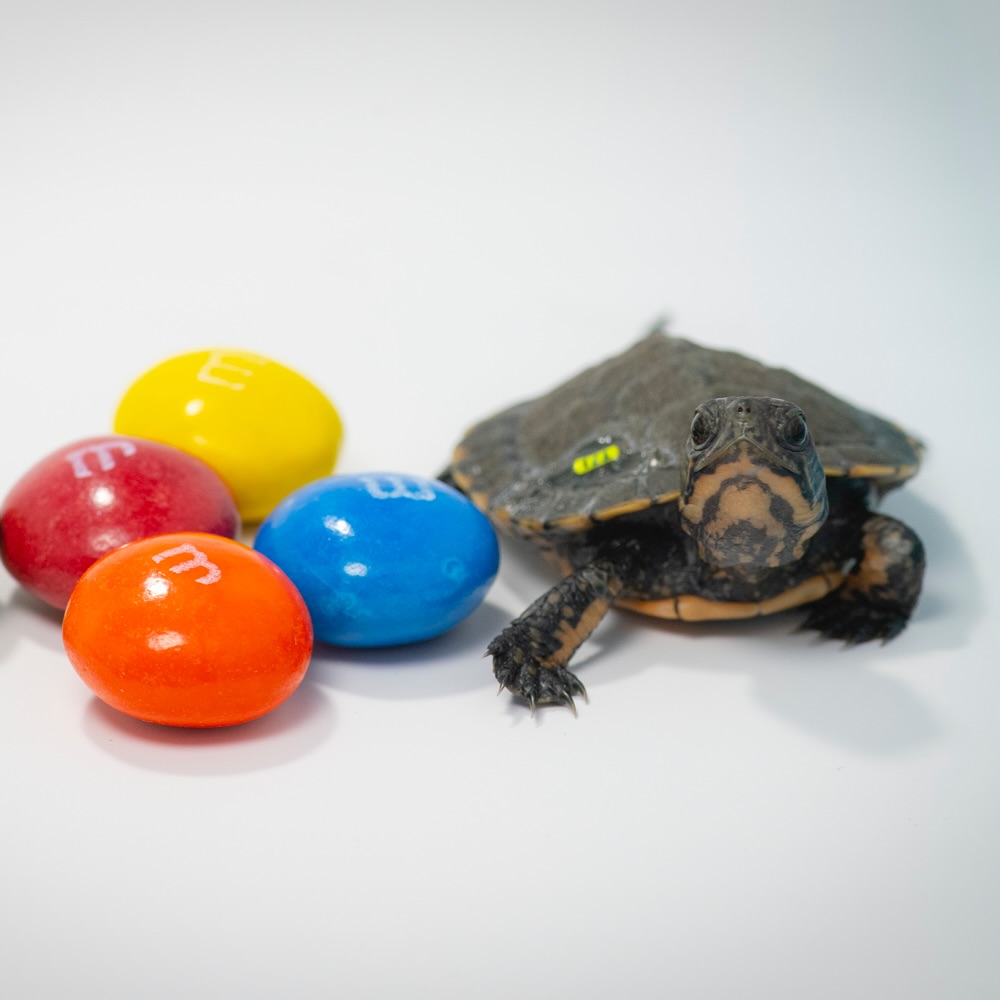
Young turtles, particularly those that recently hatched, are highly susceptible to predation. At this early stage, they are similar in size to common snacks, making them easy prey for larger predators. Conservation labs mitigate these dangers by providing a haven where turtles can grow and strengthen. While under protection, researchers monitor their growth and health, ensuring that they’re raised in conditions that mimic their natural habitat as closely as possible. This approach improves their chances of survival upon release.
One of the biggest threats to these hatchlings is invasive species like the bullfrog. Originally from various parts of North America, bullfrogs have spread to new regions, often outcompeting and preying upon native species. They have voracious appetites and can easily target small reptiles and amphibians. This disruptive impact highlights the significance of controlling invasive species to preserve biodiversity.
Besides predation, invasive species can also spread diseases to which native turtles have little or no immunity. Conservation efforts focus on isolating these young turtles from such threats until they are robust enough to fend for themselves. This nurturing environment helps in replenishing population numbers that have dwindled due to various environmental pressures.
Reintroducing turtle hatchlings into the wild requires careful planning. Conservationists ensure that the turtles are released in areas where they have the best chance of survival. Factors like the availability of food, habitat conditions, and the presence of potential threats are considered. By fostering an environment that mimics their natural surroundings, young turtles become better equipped to adapt once they are reintroduced.
The preparation for release also includes acclimatization to wild conditions. Before being released, turtles go through a transition phase where they experience natural weather patterns and begin foraging for their food. This gradual reintroduction helps bridge the gap between captivity and the wild, enhancing their survival prospects.
Globally, turtle conservation efforts are crucial for maintaining ecological balance. Turtles contribute to the health of marine and freshwater ecosystems. For instance, they play a role in controlling jellyfish populations and support nutrient cycling by grazing on vegetation. As such, protecting them can have ripple effects that benefit multiple species and the environment as a whole.
Conservation initiatives also involve educating the public about the importance of preserving turtle populations. By raising awareness, communities become more engaged in efforts to protect their local wildlife. Conservation labs often collaborate with schools and local organizations to teach the importance of biodiversity and the threats posed by invasive species.
Moreover, legislation can play a pivotal role in preserving turtle populations. Effective policies help regulate activities that threaten natural habitats and enforce measures to prevent the spread of invasive species. International agreements and collaborations aim to synchronize efforts across borders, ensuring that these creatures receive the protection they need.
The challenge of turtle conservation is ongoing, requiring patience, commitment, and global cooperation. As populations of certain turtle species dwindle, it becomes even more essential to support conservation labs and the projects they undertake. These tiny turtle hatchlings rely on the collaboration of scientists, policymakers, and the public to pave the way for their continued existence and the health of our planet’s ecosystems.
*****
Source Description
These tiny turtle hatchlings just arrived at our conservation lab, where they’ll be kept safe from predators until they’re big enough to survive in the wild. At this small size, an invasive bullfrog could gobble them up out of the nest like a bunch of M&M’s (pictured for scale!)
