
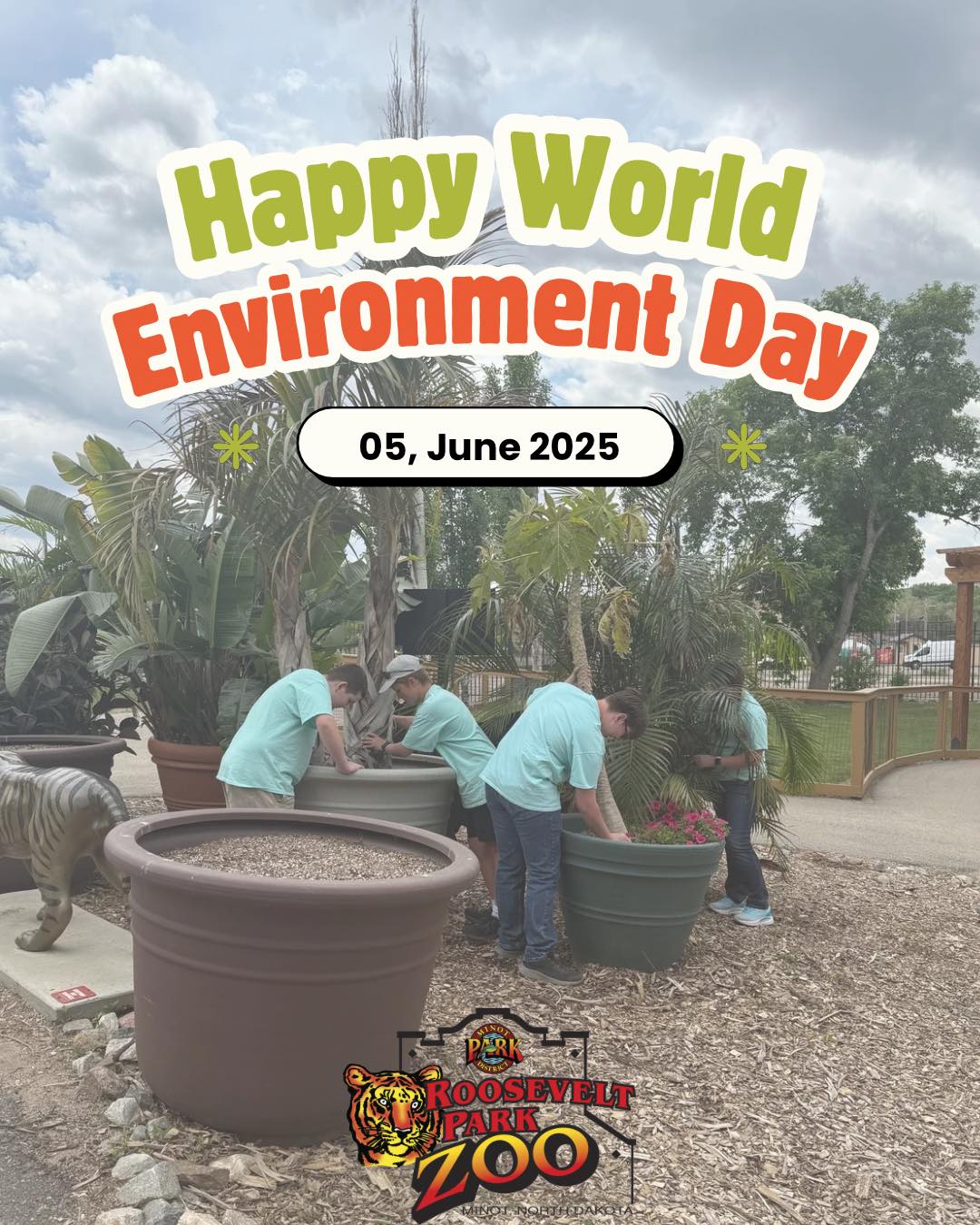
- Celebrating World Environment Day at RPZoo supports conservation efforts.
- Simple daily actions can significantly reduce environmental impact.
- Educating oneself and others is key to fostering a conservation mindset.
- Supporting local and sustainable products aids environmental health.
- Engaging in wildlife conservation helps protect biodiversity.
World Environment Day is a global initiative aimed at encouraging positive environmental action. Celebrating it offers everyone a chance to take part in conservation activities, such as visiting the RPZoo. Every visit actively supports ongoing conservation efforts and educates visitors about wildlife preservation.
Participating in World Environment Day doesn’t just stop at the zoo. Even if you can’t make it there, plenty of everyday actions can make a substantial difference in contributing to a healthier planet. Here are a few impactful ways to participate:
Reducing Single-Use Plastics
Plastic pollution continually poses a severe threat to wildlife and ecosystems. Each year, millions of tons of plastic end up in oceans, harming marine life. By carrying reusable water bottles or coffee cups, individuals can reduce this plastic tsunami. Avoiding plastic straws, utensils, and bags also mitigates this environmental burden. These simple actions, when adopted universally, lead to significant reductions in plastic waste.
Plant Something
Planting trees, native flowers, herbs, or pollinator-friendly plants increases biodiversity and supports ecosystems. Trees absorb carbon dioxide, providing vital urban lungs, and gardens rich in native species and pollinator-friendly plants help sustain insects essential for food production. Even small contributions, like a windowsill pot, enhance biodiversity and offer educational opportunities for local communities.
Conserving Water
Water scarcity affects billions globally. Simple measures can drastically reduce water wastage: turning off taps while brushing teeth, fixing leaks, and running full laundry or dishwasher loads. These actions encourage a sustainable approach to water consumption that benefits global resources.
Participating in Litter Cleanup
Joining or starting a litter cleanup can positively impact local environments. Collected debris prevents pollutants from entering waterways, impacting wildlife and public health. Organizing a community event invites collaboration and strengthens community bonds, promoting an enduring culture of environmental stewardship.
Choosing Eco-Friendly Transportation
Transportation is a significant source of carbon emissions. By opting for walking, biking, carpooling, or public transit, individuals can reduce their carbon footprint. Combining errands into a single trip minimizes emissions further, reflecting a conscientious approach to transportation.
Supporting Local and Sustainable Products
Purchasing from farmers markets or sustainable stores lessens transport emissions and supports local economies. Products labeled "Fair Trade" or "Certified Organic" encourage environmentally responsible farming and production practices. Supporting local and sustainable industries helps reduce environmental impact while promoting economic growth.
Supporting Wildlife Conservation
Contributing to wildlife conservation is crucial for maintaining biodiversity. Donations to organizations that protect threatened species have far-reaching impacts. Visiting accredited zoos or aquariums, like RPZoo, provides educational experiences that inspire future conservationists and promote wildlife protection.
Saving Energy
Every step taken to save energy helps mitigate climate change. Simple actions, such as unplugging unused electronics, switching to LED bulbs, and using natural ventilation instead of air conditioning, contribute to reduced energy consumption and carbon emissions, supporting global environmental goals.
Spreading Awareness
Raising awareness about environmental issues helps inspire change. Social media platforms can be powerful tools for sharing eco-tips, articles, or personal stories related to conservation. By discussing these topics, individuals can engage with broader communities, encouraging collective action.
Learning Something New
Understanding environmental issues fosters a knowledgeable public, ready to engage in meaningful conservation activities. Watching documentaries or reading about climate change and local environmental topics develops a deeper comprehension of these issues. Inviting friends or family to explore these resources together amplifies the educational impact.
World Environment Day emphasizes the shared responsibility of preserving our planet. Participating individually or collectively, whether visiting a zoo or implementing minor daily changes, contributes to a larger global movement for environmental sustainability. These efforts help preserve nature’s wonder for future generations, instilling hope and responsibility in each participant.
Through informed choices and collective actions, everyone can contribute to the well-being of the planet. Understanding the importance of conservation and sustainability leads to an enriched connection with the world around us. It’s about making a real difference for our environment, wildlife, and shared future.
*****
Source Description
It’s World Wnvironment Day! Did you know you can participate in this initiative by having a fun day at the zoo? Every time you visit RPZoo, you help further our conservation efforts!
Can’t make it to the zoo today? Here’s some other ways you can help the environment:
♻️ 1. Reduce Single-Use Plastics
• Carry a reusable water bottle or coffee cup
• Say no to plastic straws, utensils, or bags
🌱 2. Plant Something
• A tree, native flower, herb, or pollinator-friendly plant
• Even a windowsill pot helps biodiversity
💧 3. Conserve Water
• Turn off the tap while brushing teeth
• Fix small leaks
• Run full loads in dishwashers/laundry machines
🧹 4. Join or Start a Litter Cleanup
• Pick up trash at a local park, beach, or street
• Invite friends or coworkers to join for a short walk-and-clean
🚴 5. Choose Eco-Friendly Transportation
• Walk, bike, carpool, or take public transit if possible
• Combine errands into one trip
🛒 6. Support Local & Sustainable Products
• Shop from farmers markets or stores that reduce packaging
• Look for items labeled “Fair Trade” or “Certified Organic”
🐾 7. Support Wildlife Conservation
• Donate to or share about organizations that protect species
• Visit an AZA-accredited zoo or aquarium to learn more
🔌 8. Save Energy
• Unplug unused electronics
• Switch to LED bulbs
• Open windows instead of turning on the AC when possible
📢 9. Spread Awareness
• Post an eco-tip, article, or photo on social media
• Share why nature or conservation matters to you
🧠 10. Learn Something New
• Watch a short documentary
• Read up on climate change, native species, or local environmental issues
• Take a child or friend with you and talk about it
