
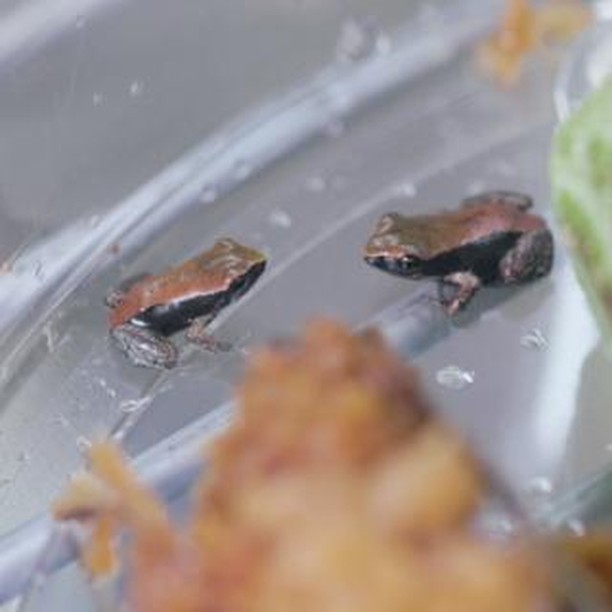
- The blue-legged mantella and its physical characteristics
- Toxicity and its ecological significance
- Conservation status and habitat threats
- Breeding and development of the blue-legged mantella
- The role of these frogs in their ecosystem
The blue-legged mantella (Mantella expectata) is a striking and diminutive amphibian endemic to Madagascar. These frogs have incredibly vibrant blue legs that serve a vital purpose in their survival. As the Herpetarium team currently cares for eleven froglets, each measuring approximately 0.4 inches, it’s essential to understand what makes this species both captivating and critical to its environment.
The physical attributes of the blue-legged mantella are remarkable. Despite being no larger than a dime, their striking coloration is hard to overlook. This color, especially on their legs, functions as a bold warning to potential predators. The vivid hues are a classic example of aposematism, where bright colors indicate toxicity. This phenomenon ensures that animals quickly learn to avoid these frogs, given their noxious nature. The toxicity of the blue-legged mantella can be traced back to their diet, which consists primarily of small invertebrates like ants, termites, and other tiny arthropods. Consuming these prey provides the frogs with the alkaloids necessary to produce their toxic secretions. While humans and most larger mammals have little to fear from contact, ingestion can lead to severe symptoms.
Toxicity plays a significant ecological role for the blue-legged mantella. In their native habitats, these frogs occupy a niche that relies on both their bold coloration and their toxic nature to deter predators. This interaction not only aids in the frogs’ survival but also impacts the broader ecosystem. By being toxic, the mantella influences predator populations, as many of its natural enemies are selective about their diets. This relationship underscores the importance of biodiversity; the presence of toxic species like the blue-legged mantella contributes to a complex web of interactions that promote ecological stability.
Despite their fascinating traits, blue-legged mantellas face numerous threats that jeopardize their survival. Habitat destruction is the primary concern, with deforestation and land conversion for agriculture leading to significant habitat loss. Madagascar’s unique ecosystems are particularly vulnerable to these pressures. As human populations grow, the demand for land and resources intensifies, directly impacting amphibian communities. The International Union for Conservation of Nature (IUCN) has listed the blue-legged mantella as a species vulnerable to extinction. Their decline emphasizes the need for conservation efforts aimed at preserving both their habitat and the diverse flora and fauna it supports.
Understanding the breeding and development stages of these frogs allows for better conservation strategies. Mating typically occurs during Madagascar’s rainy season, when the ponds and streams they favor are abundant. Females lay eggs in shallow water, where they hatch into tadpoles within a few days. As tadpoles, they undergo a transformation that includes developing limbs and eventually losing their tails. This metamorphosis takes about two to three months, and the newly formed froglets emerge ready to face the world. During this vulnerable phase, they are reliant on abundant food sources to grow and develop their toxic defenses.
The blue-legged mantella also serves as a vital component of its ecosystem. As both predator and prey, they help maintain balance. By feeding on small invertebrates, they regulate populations of these organisms, while simultaneously being a food source for larger animals, such as birds and snakes. Their role is critical in fostering healthy ecological interactions. Protecting and conserving the habitat of the blue-legged mantella ultimately benefits a broader spectrum of biodiversity, making their conservation efforts integral to maintaining Madagascar’s unique ecological heritage.
Conservation initiatives for the blue-legged mantella are gaining momentum. Organizations dedicated to habitat preservation and public education play a crucial role in awareness and action. Collaborative efforts involving local communities focus on sustainable land-use practices. By promoting understanding of the mantle’s ecological importance, conservationists strive to involve local populations in protective measures.
Research is also vital for improving the status of the blue-legged mantella. Ongoing studies aim to investigate their natural history, population dynamics, and habitat requirements. Such research identifies critical areas for protection while providing information for breeding programs in captivity. Breeding initiatives can bolster wild populations, offering a lifeline for the species that faces overwhelming environmental challenges.
The blue-legged mantella is an excellent example of how small actions can lead to significant changes. Education at all levels is essential to enhance awareness about biodiversity loss, especially for notable species like this tiny frog. By fostering a deeper understanding of their role in ecosystems, more individuals can become advocates for conservation. The impact of local enthusiasts, educators, and scientists can catalyze broader efforts to preserve unique wildlife.
Addressing the threats facing the blue-legged mantella involves a multi-faceted approach. It requires collaboration between governments, non-profits, and communities. Legal protections, habitat restoration, and environmental education are crucial for ensuring that these frogs thrive in their native range. Engaging young people in conservation initiatives can inspire future generations to cherish and protect their natural heritage.
In summary, the blue-legged mantella represents more than just a tiny amphibian with vibrant colors. It serves as a potent reminder of the impact of habitat loss and the vital role of toxic species in our ecosystems. Whether it’s through conservation efforts or educational initiatives, protecting this frog is essential for maintaining the ecological balance of Madagascar.
With its rich biodiversity, every step taken to safeguard the blue-legged mantella contributes to a larger environmental picture. The fight for this tiny yet toxic frog extends to broader conservation goals, ensuring that the natural beauty and diversity of our planet are preserved for the future. Emphasizing the interconnectedness of all species, it becomes clear that the fate of the blue-legged mantella is a mirror reflecting our relationship with nature and our responsibility to act decisively in its defense.
*****
Source Description
Teeny tiny and totally toxic. 🐸
The blue-legged mantella may be small, but they can pack a punch! Our Herpetarium team is currently caring for 11 wee little froglets each measuring just 0.4 inches (about the size of a dime)! A few tadpoles are still growing, ready to morph into the next batch of vibrant froglets. As they mature, these little ones will show off their signature bright blue legs — a bold warning to predators that they’re toxic!
