
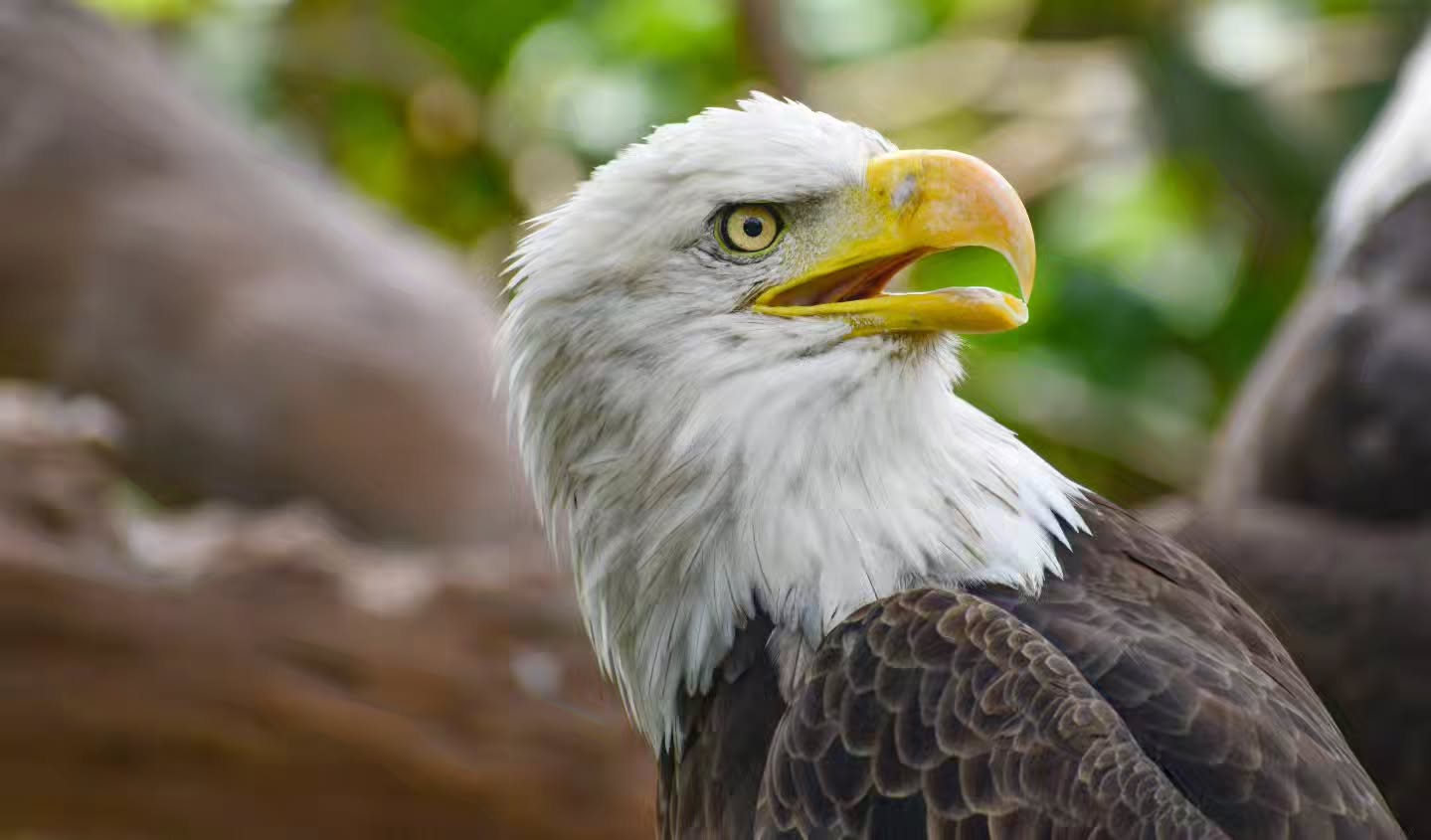
- The biological and physical characteristics of the Bald Eagle
- The habitat and distribution of Bald Eagles
- The behavior and feeding habits of Bald Eagles
- Conservation efforts and challenges faced by Bald Eagles
- The role of Bald Eagles in their ecosystems
The Bald Eagle (Haliaeetus leucocephalus) stands as a symbol of national pride in the United States and is a notable species in the family Accipitridae. This bird, recognizable by its striking white head and tail juxtaposed with a dark brown body, is not just visually stunning but embodies resilience and adaptation in its various habitats.
Bald Eagles are large birds of prey, with adults typically reaching a wingspan of 6 to 7.5 feet and a weight ranging from 3 to 6.3 kilograms (6.6 to 14 pounds). Their physical features are crucial for their survival. The strong, hooked beak is designed for tearing flesh, while their sharp talons are formidable tools for catching prey. Young Bald Eagles, or eaglets, possess a completely dark body and head until they grow older, which can take about four to five years for them to achieve their mature plumage. This gradual maturation aids in their camouflaging and initial survival in their early years.
Habitat is a critical factor for Bald Eagles, as they prefer areas near large bodies of open water with plentiful food sources and old-growth trees for nesting. Their distribution spans across North America, primarily in the contiguous United States and parts of Canada, with populations thriving along rivers, lakes, and coastal regions. In Alaska, their numbers increase significantly due to abundant food sources. Bald Eagles have adapted to diverse environments, including urban landscapes, showcasing their resilience against changing conditions.
The behavior of Bald Eagles is equally fascinating. These birds are primarily solitary or found in pairs, especially during the breeding season. Their keen eyesight allows them to spot prey from great distances. Typically, they feed on fish, but they are opportunistic eaters, consuming small mammals, birds, and carrion when fish is less available. They have also developed intricate hunting strategies, which include soaring at great heights to scan for food or swooping onto the water’s surface to catch fish. This behavioral adaptability provides insight into their ecological role.
Conservation is a significant aspect of understanding Bald Eagles. Once facing drastic population declines due to habitat destruction and pesticide use, particularly DDT, their recovery is a testament to successful wildlife management practices. The banning of DDT in 1972, alongside various conservation initiatives, led to the resurgence of Bald Eagle populations. They were removed from the U.S. Endangered Species List in 2007, although they still face challenges such as habitat loss from development, climate change, and human disturbance during nesting.
The role of Bald Eagles in ecosystems cannot be overstated. As apex predators, they help regulate fish populations and contribute to the balance of their habitats. By scavenging, they also assist in the cleanup of the environment. Their presence often indicates a healthy ecosystem, and they serve as valuable indicators of environmental health.
Zoo management and wildlife conservation organizations, such as the Houston Zoo, play a pivotal role in educating the public about the importance of Bald Eagles. Through responsible wildlife exhibits and conservation programs, zoos foster awareness about the species’ ecological significance and the challenges they face. Collaborative efforts with conservation organizations provide research opportunities that enhance the understanding of Bald Eagles and their habitats.
In educational settings, focusing on Bald Eagles provides a window into broader ecological concepts and the importance of preserving biodiversity. Teaching about their life cycles, feeding behaviors, and the impact of human activity on their populations inspires a sense of responsibility for environmental stewardship. Engaging activities, such as birdwatching and habitat restoration projects, create pathways for individuals to connect with wildlife conservation efforts directly.
Bald Eagles are not just an emblem of freedom; they represent the intricate ties between wildlife health and human activity. As communities work on conservation strategies, the success of Bald Eagles can serve as a motivational story for other conservation efforts. Their recovery illustrates that collective action can yield beneficial outcomes for both wildlife and humans.
Through ongoing research and committed conservation practices, we can continue to support Bald Eagles and their habitats. Education is a crucial component in fostering a generation that values and protects these majestic birds. As natural treasures, Bald Eagles remind us of the interconnectedness of life and the role we each play in preserving that balance.
*****
Source Description
Bald Eagle (Haliaeetus leucocephalus) 📷 the @houstonzoo
