
- Navigating Family Dynamics During Holiday Gatherings
- Strategies for Handling Awkward Conversations
- The Appeal of Zookeeping as a Career Choice
- Understanding the Importance of Wildlife Conservation
- The Role of Zoos in Education and Public Awareness
Navigating Family Dynamics During Holiday Gatherings
Thanksgiving often brings together family members, creating a mixed bag of emotions. Many individuals feel excited to reconnect, but anxiety can surface due to the diversity of personalities in the room. Family gatherings can amplify stress levels, especially for those involved in major life transitions or feeling uncertain about their future. The pressure to conform to family expectations can feel overwhelming. Many struggle with the “What are you doing with your life?” question, which can lead to uncomfortable conversations. Understanding how to manage these interactions is vital for enjoyment during the holidays.
Strategies for Handling Awkward Conversations
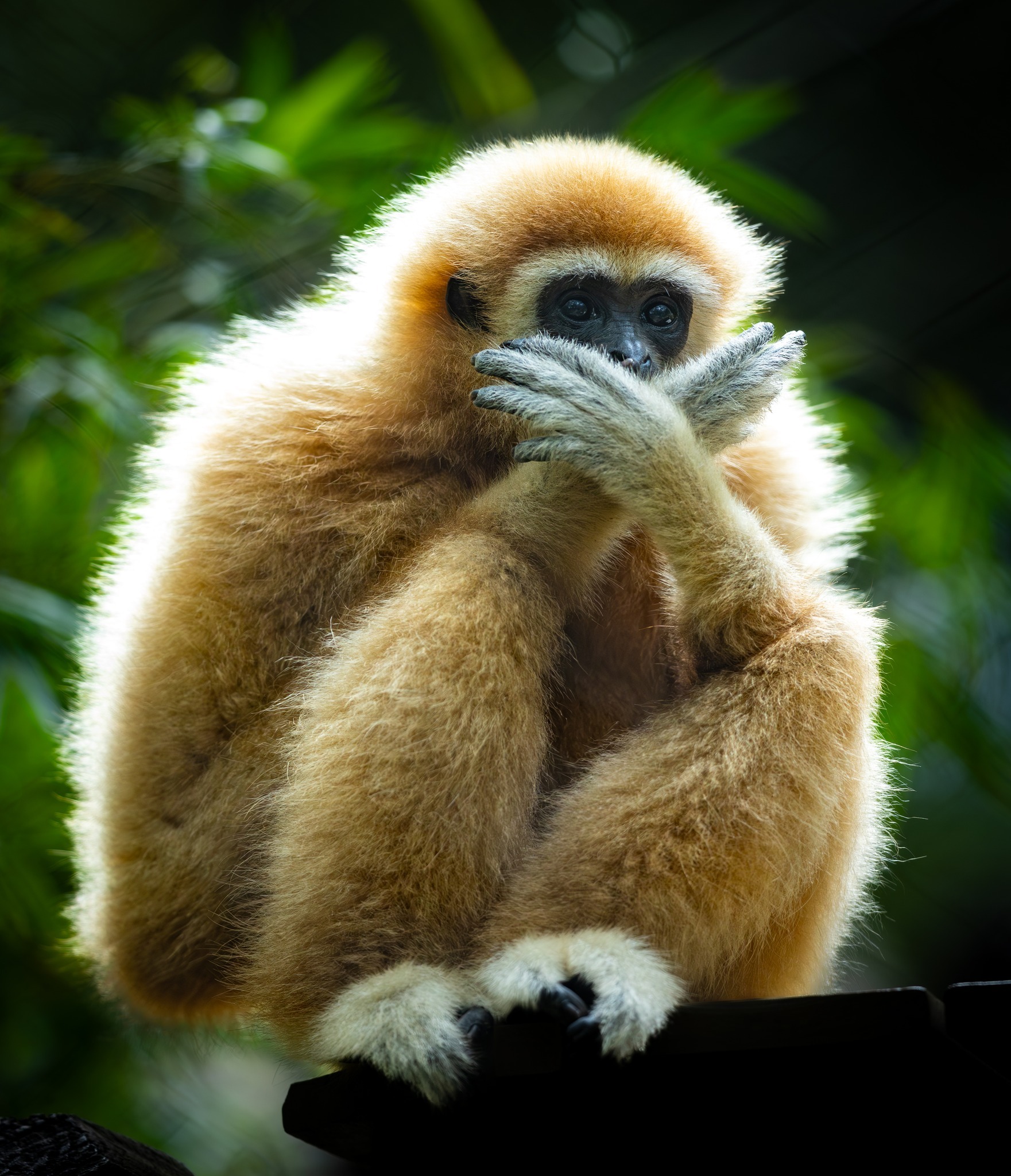
Encountering questions about life choices, relationships, or even professional aspirations can invite discomfort. You can approach these conversations strategically. One effective method is to prepare a few light-hearted or humorous responses that focus on your interests rather than your career path. For example, citing a passion for animals opens the door to engaging discussions. If Aunt Janice brings up your dating life, a quick pivot to a lighter subject, like your plans to “check on your favorite gibbon,” can make the situation more manageable.
Utilizing humor can diffuse tension around difficult family questions. If you’re asked about your future, consider a fun response—claim you’re planning to be a zookeeper! This playful answer not only deflects attention but can also spark discussions about animal care, which can shift the family conversation toward more enjoyable topics.
The Appeal of Zookeeping as a Career Choice
Choosing zookeeping as a career speaks to a person’s passion for wildlife and environmental stewardship. Zookeepers don’t just take care of animals; they also play a critical role in managing ecosystems. They often hold degrees in zoology or related fields, providing them with essential knowledge about animal behavior and habitats.
Institutions worldwide offer degrees in zoology, wildlife biology, and zoo management. This academic foundation allows aspiring zookeepers to understand animal health, habitat requirements, and diet needs. For students considering this path, academic institutions offer many resources, including internships, volunteer work, and networking opportunities. These experiences can help build skill sets valuable in a zoo setting while also increasing awareness of wildlife conservation issues.
Understanding the Importance of Wildlife Conservation
Wildlife conservation is not just a career pathway; it is an essential part of maintaining ecological balance. Many species are facing habitat loss, climate change, and other threats. Protecting biodiversity ensures the survival of various species and contributes to a healthier planet. Zookeepers often work closely with conservation organizations to educate the public and promote awareness about endangered species and their natural habitats.
By supporting conservation efforts, zookeepers contribute to vital research projects and breeding programs. These initiatives aim to reintroduce endangered species into their natural environments. Awareness campaigns often stem from zoo education programs designed to inform visitors about delicate ecosystems and the imperative role every species plays within them.
The Role of Zoos in Education and Public Awareness
Zoos operate as educators, providing insight into wildlife and conservation issues. They serve as platforms for research, allowing scientists to study animal behavior and biology closely. Public engagement is another crucial aspect of a zoo’s mission, as they aim to inspire visitors to appreciate wildlife.
Many zoos now focus on creating environments that resemble natural habitats. This approach not only benefits the animals but also enriches the visitor’s experience. By witnessing animals in more realistic settings, people develop a deeper understanding of the complexities of life in the animal kingdom.
Organizations maintain commitment to educate the public about responsible pet ownership and conservation-related practices. By involving visitors in various programs, zoos can foster a community of environmentally conscious individuals. This aim aligns with the growing trend of combining entertainment and education within the zoological community.
As families come together during Thanksgiving, some members may gravitate towards wildlife and environmental topics, particularly if someone introduces the idea of zookeeping as an exciting career choice. Encouraging these discussions not only shifts focus away from potentially stressful questions about personal life but also cultivates a shared understanding of the importance of wildlife and conservation efforts.
By embracing the opportunity to discuss zookeeping, individuals can steer conversations into new territories. Instead of enduring the discomfort of traditional family inquiries, they can explore life’s meaningful aspects, celebrating curiosity over judgment. Being well-versed in animal care, ecosystems, and conservation enables dialogue that resonates with passion and purpose.
Thanksgiving conversations need not be cluttered with stressors. Instead, they can transform into meaningful exchanges in which participants leave the table feeling invigorated. Being equipped with knowledge about zookeeping offers a fun, engaging alternative, allowing individuals to connect more genuinely with family members.
The prevailing focus on wildlife and conservation prepares families for discussions that can inspire their children and relatives. This casual engagement with significant topics allows barriers to dissolve, leading to a more cohesive gathering.
Ultimately, the narrative surrounding Thanksgiving can shift from awkward encounters to enriching conversations about zookeeping, wildlife, and ecological responsibility. The need to inquire about life directions can be redirected towards exploring passions, interests, and tangible steps towards fulfilling aspirations.
Such dialogue strengthens familial bonds and fosters not only emotional well-being but also a shared responsibility for the planet. With the season of gratitude in mind, families can cultivate an atmosphere ripe for trust, creativity, and the joy of exploring the unknown. Embracing this viewpoint encourages everyone to reflect on their journeys and aspirations without conventional judgment.
Preparing for Thanksgiving does not have to invoke nervousness or anxiety. Taking proactive steps and reframing the narrative enables individuals to navigate family dynamics more successfully. The holidays can be a time for laughter, learning, and meaningful exchanges.
By discussing topics like zookeeping and conservation, you create opportunities for broader engagement and understanding within your family. This way, you transform typical holiday interactions into enriching experiences that celebrate collective enthusiasm and shared curiosities.
*****
Source Description
Nervous about Thanksgiving conversation? Too many people in the house? No good answer for, “so, what are you doing with your life?”
We’ve got you.
We’re open on the 26th and the 28th, which means you can absolutely say you need to “check on your favorite gibbon” before Aunt Janice asks about your dating life again.
And if your family wants to talk about your future, tell them you’re going to be a zookeeper! Applications are open for the fall 2026 semester: https://t.ly/ZATP
