
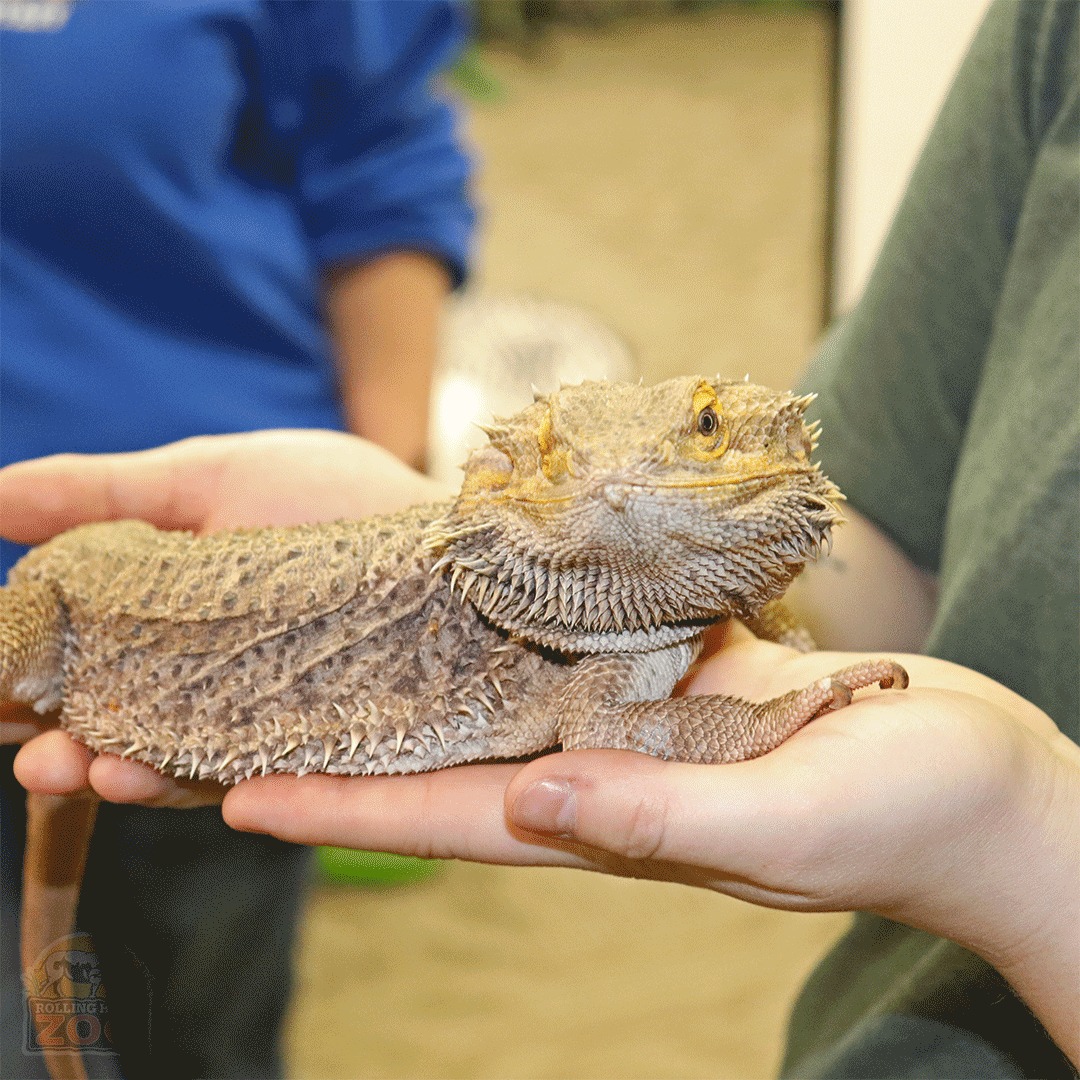
- Bearded dragons and their distinctive beards
- Behavior and communication in bearded dragons
- Fascinating facts about bearded dragon physiology
- The conservation status and habitat of bearded dragons
- Care and responsibility for pet bearded dragons
Bearded dragons, often referred to as “beardies,” are fascinating reptiles native to Australia. One of their most distinctive features is their “beard,” which is actually a flap of skin located under their chin. This appendage can puff out dramatically, changing in color depending on their emotional state. When excited or threatened, a bearded dragon will inflate this area, giving it the appearance of having a beard. Understanding this attribute is crucial for both potential owners and enthusiasts.
The behavior of a bearded dragon extends beyond its beard. These lizards have developed a variety of social signals to communicate. One noteworthy behavior is their arm waving. A bearded dragon will often wave its front leg in a slow circular motion. This gesture is a form of greeting or submission, signaling that they pose no threat. Additionally, during mating rituals, arm waving can also be a display intended to attract a partner. It’s vital for owners and enthusiasts to recognize these behaviors, as they reflect the animal’s mood and social structure.
Physiologically, bearded dragons have adapted remarkable traits to thrive in their arid environment. They possess a flattened body and a slightly compressed head, which aid in thermoregulation. These adaptations allow them to absorb as much heat and light as possible from their surroundings. When basking, they often exhibit behaviors like stretching out on flat surfaces to maximize their exposure. This need for warmth underscores the importance of providing proper heating and lighting in a pet habitat.
Bearded dragons are also known for their unique ability to run on two legs when they are in a hurry. This bipedal locomotion is not only amusing to watch but also indicates their agility in escaping predators. Their speed and dexterity serve as a survival mechanism in the wild, where threats abound. Owners should be aware of these traits and provide ample space for their pet’s natural behaviors to flourish.
In terms of conservation status, bearded dragons face challenges primarily due to habitat destruction and pet trade. While they are currently not endangered, their natural environments are increasingly threatened by human activities. Urbanization and agricultural expansion compromise their habitats, resulting in population pressures. Conservation efforts focus on protecting their natural environments and regulating the pet trade to ensure that wild populations are preserved.
For those considering owning a bearded dragon as a pet, it’s essential to understand the level of commitment involved. A healthy diet rich in vegetables, insects, and proper supplements is necessary to maintain their health. Additionally, creating an environment that mimics their natural habitat is essential for their well-being. This includes providing a temperature gradient, UVB lighting, and hiding spots. Knowledgeable ownership enhances the experience for both the pet and the owner.
As we celebrate World Beard Day, let us acknowledge the contributions of bearded dragons to our understanding of reptile behavior and conservation. The unique attributes of these creatures, particularly their impressive beards, provide insight into their lives. Bearded dragons not only enrich our lives as companions but also offer vital lessons about the natural world and our responsibility to preserve it.
*****
Source Description
Beards come in all shapes and sizes… and some even have scales! 🐉 Beardy, RHZ’s bearded dragon, is celebrating World Beard Day his way… by allowing all to bask in the glory if his famous “beard.”
Fun Bearded Dragon Facts:
• As you can see, their “beard” isn’t hair at all. It’s a flap of skin under their chin that can puff out and darken when they’re feeling excited, threatened, or just showing off!
• Bearded dragons wave their arms in slow circles as a way of saying “hello” or showing submission.
• Bearded dragons can run on two legs when they really get moving!
