
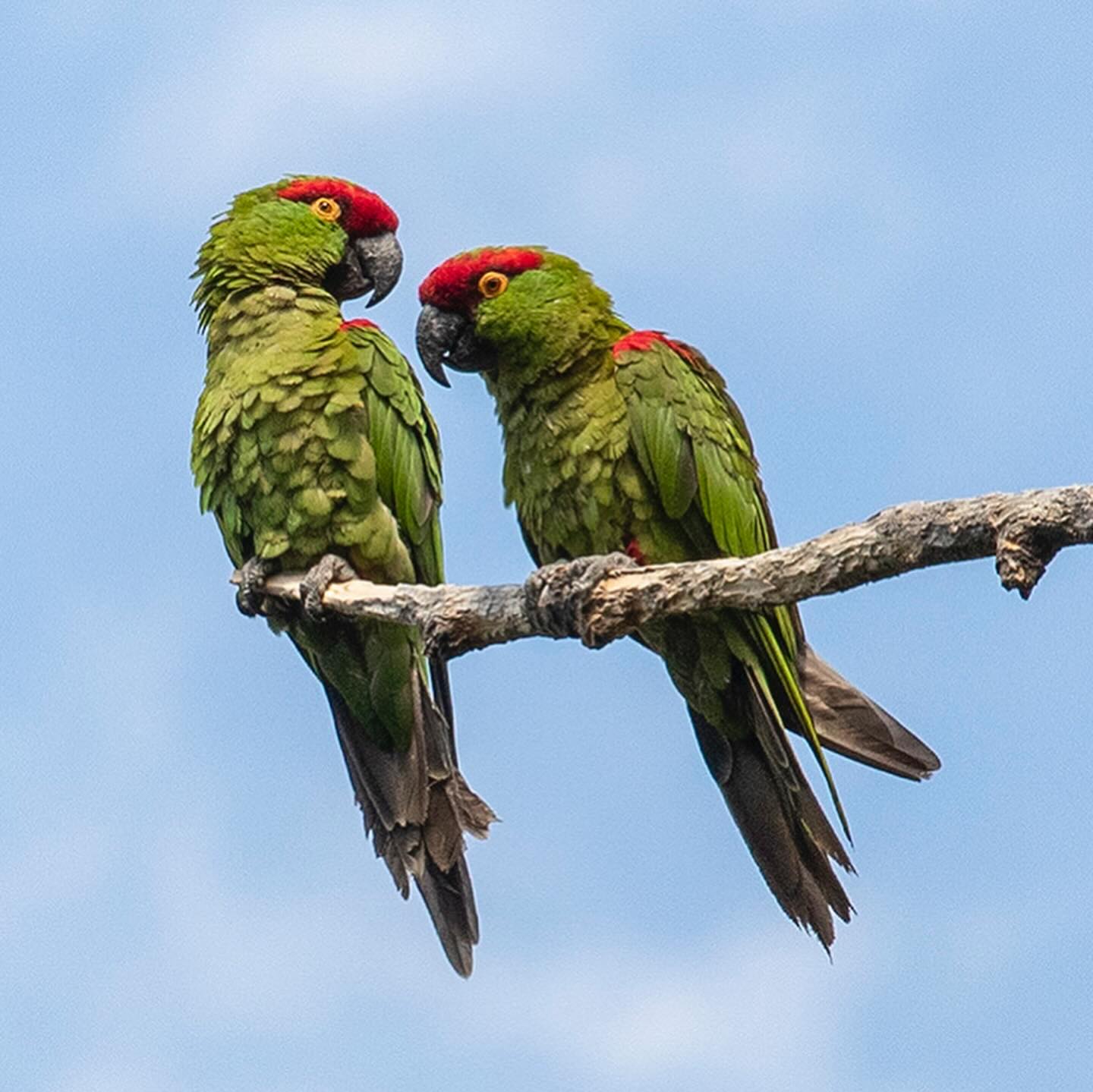
- Collaborative Conservation Efforts: The partnership between the San Diego Zoo Wildlife Alliance and organizations in Mexico to protect endangered parrots.
- Threats to Thick-Billed Parrots: How habitat loss, logging, and climate change impact these vibrant birds.
- Role of Technology in Wildlife Protection: Use of satellite imagery and data analytics to combat wildfire threats.
- Importance of Old-Growth Trees: Critical nesting areas for the survival of parrots in the Sierra Madre Occidental range.
- Broader Implications for Wildlife Conservation: Lessons and strategies derived from this conservation effort.
San Diego Zoo Wildlife Alliance, in conjunction with partnerships in Mexico, is actively engaging in the conservation of endangered parrots, with a focused initiative on thick-billed parrots. These vibrant green birds with striking red foreheads are fascinating yet under threat. The collaboration primarily involves the Organización Vida Silvestre and Universidad Autónoma de Nuevo León, both critical stakeholders in this comprehensive conservation effort.
Collaborative Conservation Efforts
Conservation requires collective effort and expertise. The San Diego Zoo Wildlife Alliance has formed strategic partnerships with key organizations in Mexico to pool resources and knowledge for the benefit of endangered parrots. These partnerships build on shared goals: improving habitat conditions, enhancing breeding success, and reducing the threats these birds face. The collaboration extends beyond borders, highlighting the importance of global cooperation in tackling biodiversity challenges.
The participation of the Organización Vida Silvestre is particularly noteworthy. This organization is instrumental in executing on-the-ground strategies, offering valuable local insights and resources. Meanwhile, the academic involvement of Universidad Autónoma de Nuevo León contributes substantial research capabilities. Together, these entities work towards a sustainable solution for thick-billed parrots, melding fieldwork with cutting-edge research.
Threats to Thick-Billed Parrots
Thick-billed parrots face numerous existential threats, largely driven by human activity and environmental changes. Habitat loss stands as the predominant issue, primarily due to logging and land conversion for agriculture. These activities reduce the available nesting sites essential for the survival of these birds.
The negative impact of climate change adds another layer of complexity. Altered weather patterns affect food availability and nesting seasonality. Rising temperatures and shifting rainfall impact the entire ecosystem of the Sierra Madre Occidental range, where these parrots predominantly reside.
Furthermore, wildfires pose an immediate and destructive threat. This year, wildfires have been particularly devastating, putting key nesting areas at risk. Such fires, often fueled by dry conditions and human-related activities, threaten to destroy large swathes of critical habitat.
Role of Technology in Wildlife Protection
Technology has emerged as a vital tool in modern conservation efforts. The use of satellite imagery exemplifies how innovative approaches can lead to impactful results. Satellite data provides up-to-date information on environmental conditions, allowing conservationists to respond quickly to threats such as wildfires.
In the recent wildfires, technology played a pivotal role. Innovative analyses and satellite imagery allowed firefighters to devise sophisticated strategies to curb the spread of fires. Accurate data enabled them to prioritize old-growth trees, which are crucial for parrot populations, preventing further habitat destruction.
The integration of technology into wildlife protection is not only effective but essential. It fosters real-time decision-making and precise interventions that could make the difference between survival and extinction for many species, including the thick-billed parrot.
Importance of Old-Growth Trees
Old-growth trees in the Sierra Madre Occidental range are vital to the life cycle of thick-billed parrots. These ancient trees offer more than mere roosting sites; they provide stability to an entire ecosystem. Parrots depend on these trees for nesting and feeding, utilizing cavities within them to raise their young.
Protecting these trees is crucial. They not only serve the parrots but contribute to broader ecological functions such as carbon storage and soil stabilization. Conservation of these forests ensures a balanced habitat, fostering biodiversity and enabling many species to thrive.
Efforts to conserve these old-growth areas involve reducing logging activities and safeguarding against fire damage. This focus underlines the importance of maintaining environmental integrity for the continued survival of endangered parrots and the ecosystems they inhabit.
Broader Implications for Wildlife Conservation
The strategies employed in protecting thick-billed parrots have wider implications for wildlife conservation globally. By examining this case, conservationists gain insights into effective collaboration, the integration of technology, and the protection of critical habitats.
Conservation efforts require adaptive management and continuous learning. Lessons from the Sierra Madre intervention can inform similar tactics elsewhere, emphasizing the importance of partnerships, informed decision-making, and the preservation of key habitats. These elements are essential in combating the loss of biodiversity and ensuring the survival of endangered species.
As the global environment continues to change, such initiatives provide a blueprint for future conservation efforts. The imperative is clear: collaborative, technology-driven, and comprehensive approaches are essential in safeguarding our planet’s wildlife.
*****
Source Description
Protecting endangered parrots 🦜
San Diego Zoo Wildlife Alliance has been working with partners in Mexico to help conserve thick-billed parrots, a vibrant species currently under threat due to habitat loss, logging, and the negative impacts of climate change. Wildfires have been especially detrimental to the region this year, sparking a blaze that put key nesting areas at risk in the Sierra Madre Occidental range.
Thanks to innovative satellite imagery and the quick action of our teammates at the Organización Vida Silvestre (@ovis_ac) and Universidad Autónoma de Nuevo León, firefighters were provided with valuable insights to help prevent the flames from spreading to old-growth trees that are vital to sustaining parrot populations.
