
- The cultural significance and history of the high five in human society and its impact on communication.
- An exploration of primate behavior and the evolutionary basis of gestures similar to the high five.
- Insights into zoo management practices that incorporate gestures for animal enrichment and training.
- Wildlife conservation efforts and how understanding animal communication can aid in species protection.
- The role of educational programs in zoological institutions, promoting awareness of animal behavior and conservation.
The high five is more than a simple gesture. It holds a special place in human communication, symbolizing celebration, agreement, and camaraderie. Tracing back its origins to the late 1970s, the high five has become woven into various cultures worldwide. This gesture extends beyond mere human interaction and finds its place in the study of animal behavior, especially in primates.
In examining primate behavior, researchers have observed gestures akin to high fives. These non-verbal cues play a critical role in the social structures of species such as chimpanzees and bonobos. Gestures enable them to convey emotions, reinforce social bonds, and maintain group cohesion. The evolutionary basis of these behaviors highlights the importance of non-verbal communication in survival and adaptation.
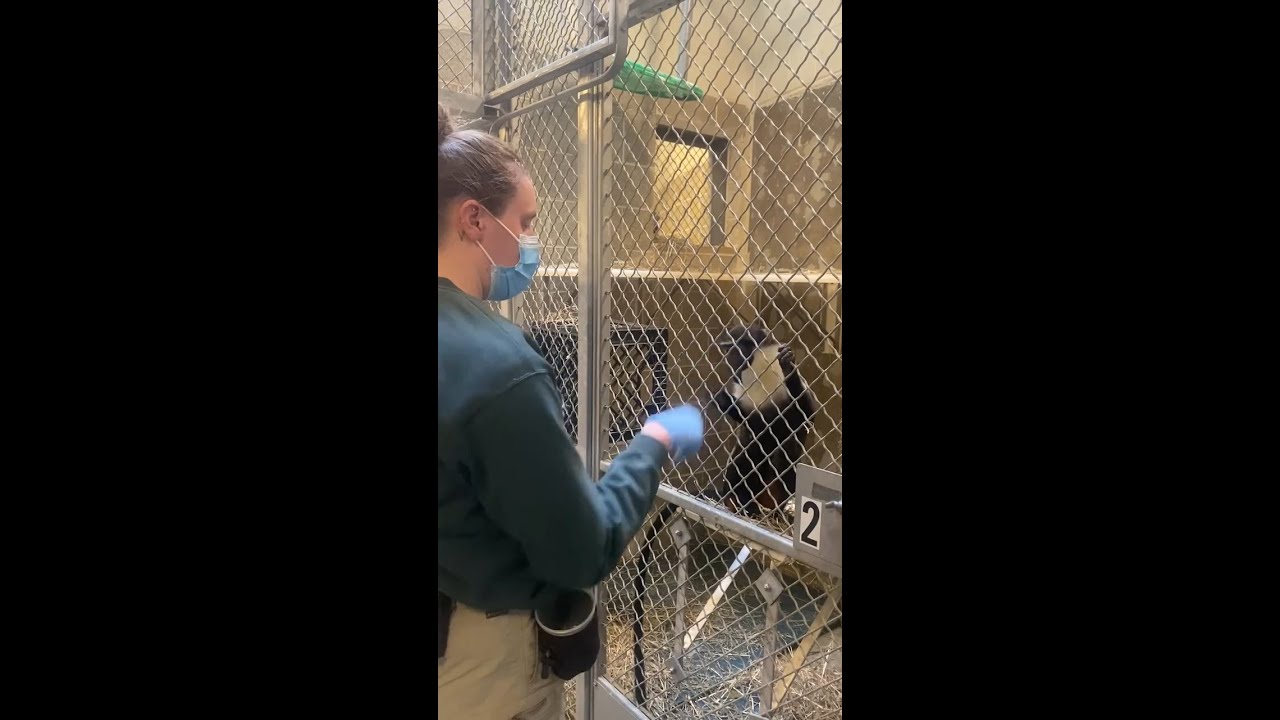
Zoo management has recognized the value of understanding and incorporating gestures like the high five into animal enrichment and training programs. Such practices are not solely about entertainment; they are crucial for mental stimulation and improving the well-being of animals in captivity. By using gestures, handlers foster trust and communication with animals, enhancing their quality of life and facilitating training exercises that promote natural behaviors.
Wildlife conservation benefits significantly from insights gained through studies of animal communication. Understanding how animals communicate within their species can aid in crafting strategies to protect endangered species and manage habitats. Conservationists can use this knowledge to tackle challenges such as poaching, habitat destruction, and climate change, focusing efforts on preserving not only the physical environment but also the social dynamics that are vital for a species’ survival.
Educational programs in zoological institutions play an essential role in raising awareness about animal behavior and conservation. By engaging the public and imparting knowledge about the significance of gestures in the animal kingdom, these programs foster a deeper appreciation for wildlife conservation. They inspire future generations to take active roles in preserving biodiversity and learning from the natural world.
The high five’s journey from a human gesture to a scientific tool in zoology, zoo management, and conservation illustrates the profound connections between human culture and animal behavior. By exploring these connections, we gain invaluable insights into our place within the web of life and the importance of protecting it.
*****
Source Description
Learning to present a particular body part is a regular part of training with many animals at the zoo. With practice, animals learn to participate in their own healthcare, which results in more comfortable visits with the vets!
📸 Arianna E.
