
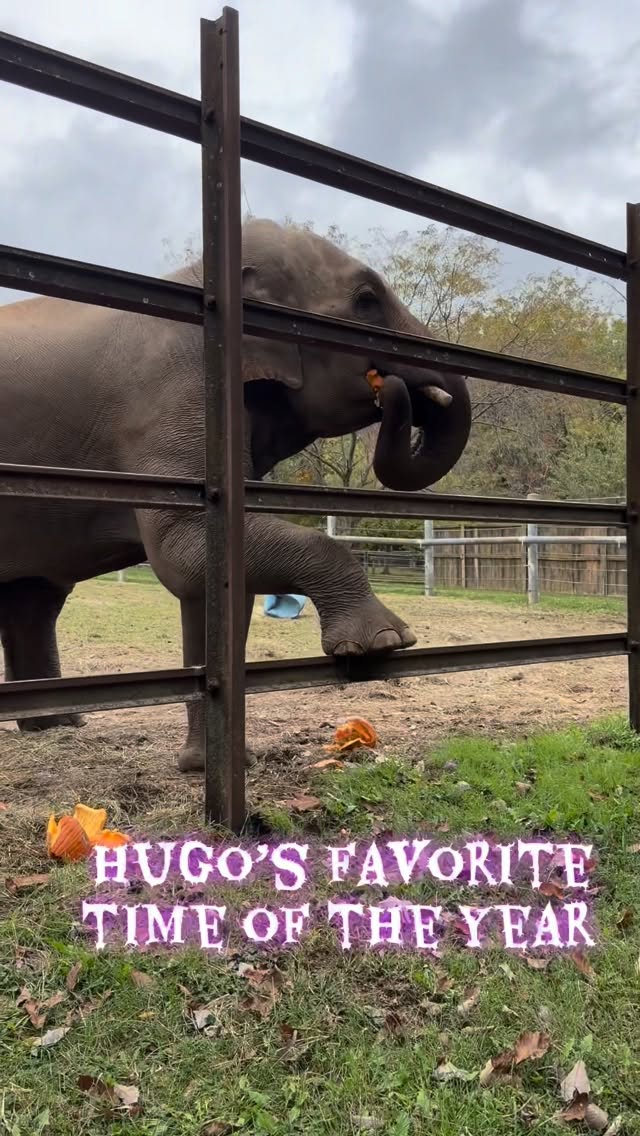
- The significance of community events like the Annual Pumpkin Squash.
- The role of events in promoting wildlife conservation and education.
- Engaging families and individuals in fun, educational activities.
- The environmental benefits of pumpkin-growing practices.
- How local businesses can contribute to community-focused initiatives.
The Annual Pumpkin Squash hosted by @graddyrealestate is more than just a seasonal gathering; it serves as a celebration of community, creativity, and environmental stewardship. Local gatherings foster connections, providing a platform for individuals and families to engage in delightful activities while learning about the impact of their choices on their environment. Through interactive events, participants gain insights that extend far beyond pumpkin carving.
Community events serve a crucial function in fostering dialogue about wildlife conservation. By bringing people together, these gatherings can facilitate discussions on how local ecosystems are affected by human activity. Education is key, and events like the Pumpkin Squash can provide essential information about preserving natural habitats. Workshops, talks, and interactive activities raise awareness about the importance of maintaining biodiversity and protecting endangered species.
The Annual Pumpkin Squash offers families and individuals a range of activities that combine fun with education. Children love engaging in crafts, games, and contests that revolve around pumpkins, including pumpkin decorating and pie-eating contests. These activities instill in young participants the values of teamwork, creativity, and respect for nature. By making environmental topics engaging, the event encourages attendees to think critically about how their actions impact the world around them. Fun prizes, such as gift cards from local businesses, provide motivation for participation, reinforcing the relationship between community and ecological conscience.
Growing pumpkins is not just about the fun; it has environmental implications as well. Sustainable pumpkin-growing practices can help reduce carbon footprints. Farmers who choose environmentally friendly methods often employ crop rotation, which enhances soil fertility and reduces pest populations without heavy chemical reliance. By spotlighting these practices, events like the Pumpkin Squash promote greener approaches to agriculture. Members of the community can learn about the benefits of organic farming, composting, and natural pest control, ultimately inspiring them to incorporate these methods into their own gardening efforts.
Local businesses play an integral role in community-focused initiatives. By sponsoring events like the Annual Pumpkin Squash, businesses can demonstrate their commitment to both local culture and environmental sustainability. They may offer materials, donate food, or even provide prizes, enhancing the overall experience for participants. This collaboration builds a sense of community ownership and pride. Successful partnerships can lead to further initiatives that focus on community-driven environmental stewardship.
The educational potential of events like the Annual Pumpkin Squash is immense. Hands-on activities can educate participants about the ecological principles underpinning flora and fauna. For example, children can learn about the life cycle of plants, the importance of pollinators, and even the proper techniques for composting. By integrating interactive elements, attendees can grasp complex ecological concepts through relatable, enjoyable experiences.
Moreover, such gatherings can serve as a launching point for additional conservation programs. Many participants may leave with a desire to engage in further educational pursuits related to wildlife and environmental science. Establishing relationships during events can lead to future collaborations with local schools, organizations, and conservation groups, thereby broadening the scope of educational opportunities available.
Measuring the success of the Annual Pumpkin Squash can offer insights into community engagement and awareness levels. Surveys can be distributed to gauge participant satisfaction, as well as the knowledge gained from the event. Questions may pertain to information retention, expressed interest in wildlife conservation, and willingness to engage in further activities. Data gathered can inform future events and help tailor programming to better meet community interests.
While the focus of the Annual Pumpkin Squash is on pumpkins and fun, it is also vital to consider the underlying commitment to ecological consciousness. The popularity of pumpkins in different facets—from culinary delights to decoration—highlights their role in American culture. By encouraging attendees to view pumpkins through the lens of environmental stewardship, the event shifts perspectives and promotes a holistic understanding of sustainability.
The cultural significance of pumpkins cannot be overlooked either. These colorful gourds, celebrated in numerous fall traditions, have historical ties to agriculture, economy, and even art. Charitable initiatives can be integrated into such events, where proceeds might benefit local environmental organizations. This collaborative spirit fosters a deeper investment in both community and conservation.
The success of any community event relies on effective planning and execution. Engaging local leaders and influencers within the agricultural and environmental scenes can help amplify the event’s reach. Social media serves as a major tool for promotion, allowing event coordinators to share information widely and attract a diverse audience. Utilizing platforms like Instagram, businesses can showcase the excitement and educational opportunities leading up to the Annual Pumpkin Squash, attracting attendees who are passionate about both fun and conservation.
Event logistics play a crucial role in ensuring that activities run seamlessly. Adequate planning on transportation, parking, and accessibility is essential. Ensuring that families with young children or individuals with disabilities can comfortably navigate the event can contribute to higher participation rates. Making special accommodations can enhance the experience for all community members.
Moreover, successful environmental education accounts for different learning styles. Providing a range of educational formats is beneficial; kiosks with fact sheets, live demonstrations, and interactive workshops can cater to participants of varying interests and backgrounds. Collecting feedback from attendees after the event can highlight which activities generated the most interest, informing the planning of future gatherings.
The connection between pumpkin growing, community engagement, and ecological conservation emphasizes both individual and collective responsibilities. As local inhabitants foster their understanding of ecological impact, they pave the way for healthier ecosystems. Educational outreach must remain a priority, as knowledge empowers individuals to enact change in their own lives.
The Annual Pumpkin Squash creates a vibrant junction where entertainment and education intersect. Participants leave inspired, often carrying newfound knowledge about environmental practices and wildlife conservation. These engagements are invaluable, as they cultivate a generation more aware of the fragile balance we maintain with our environment.
By adhering to responsible practices in local agriculture and promoting sustainable living, communities can collectively contribute to a healthier planet. The Annual Pumpkin Squash serves as a cornerstone for these vital dialogues, setting the stage for future initiatives that put community welfare and ecological preservation at the forefront. Through continued engagement and advocacy, it becomes increasingly possible to foster a more sustainable future for all.
*****
Source Description
Our @graddyrealestate Annual Pumpkin Squash was a really gourd time.
