
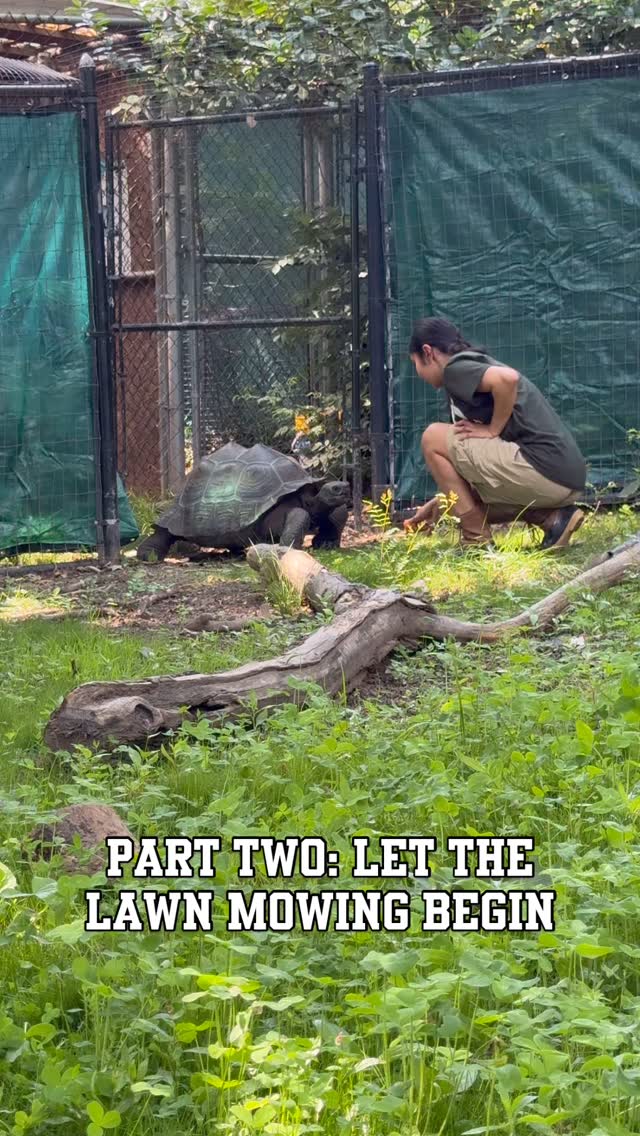
- The importance of temperature regulation for cold-blooded reptiles like tortoises.
- Transitioning tortoises from indoor to outdoor environments.
- The ecological role of tortoises in grass management and natural behavior.
- Dietary incentives in animal management and care.
- Challenges and benefits in wildlife conservation efforts.
Tortoises, as cold-blooded reptiles, depend greatly on environmental temperatures to regulate their internal body heat. Unlike mammals, which maintain a consistent body temperature, tortoises require warmth from the sun to stay active and healthy. During colder months, keeping them indoors helps maintain their physiological needs, where controlled heat environments avoid exposing them to potentially harmful temperatures. Heating lamps and regulated settings simulate their natural habitat, ensuring they remain comfortable and active.
When temperatures rise sufficiently in the spring and summer months, it’s a perfect opportunity for tortoises to transition back to an outdoor environment. This transition is not just about comfort but mirrors the natural lifestyle these creatures have evolved over millennia. The outdoor setting offers a diverse range of stimuli that are essential for their mental and physical well-being.
A vital aspect of outdoor life for tortoises is their ecological role in landscape management. As natural grazers, tortoises help in "mowing" the grass. This isn’t just a quaint observation but an important ecological service. By grazing, tortoises prevent overgrowth, helping maintain a balanced ecosystem. This activity ensures that habitats do not become overgrown, which could otherwise suffocate certain plant species and disrupt biodiversity.
Tortoises also benefit from the changed environment by engaging in natural behaviors that stimulate their senses and promote health. These activities include basking in sunlight for thermoregulation, which contributes to improved digestion and metabolism. Without adequate sunlight, tortoises can suffer from ailments such as metabolic bone disease—a condition that results from improper calcium metabolism often due to insufficient exposure to UV light.
A noteworthy approach in animal management is using dietary incentives, which serve as both motivation and enrichment for animals. In the case of transitioning tortoises outside, food items like carrots are not merely nutritional components but tools to encourage movement and assimilation into a new setup. This strategy highlights an understanding of animal behavior and welfare in captivity. Offering these incentives assures a smooth transition while fostering a positive association with changes in their environment.
The care and management of tortoises, both in captivity and in the wild, reflect broader themes in wildlife conservation. Efforts to mimic natural conditions, provide suitable habitats, and ensure dietary adequacy are part of a proactive strategy to promote species health and longevity. As environmental stewards, the focus shifts towards maintaining ecological balance while ensuring the survival of various reptilian species.
Conservation efforts involve numerous challenges. Habitat destruction, illegal pet trade, and climate change are pressing issues that affect tortoise populations globally. Initiatives often include habitat restoration, legal protections, and breeding programs to bolster population numbers. For instance, understanding tortoise behavior and dietary needs is critical in creating effective conservation strategies. Knowing that tortoises thrive with sufficient sunlight exposure and a diet rich in varied vegetation helps in crafting actionable conservation plans that can be applied in different contexts.
The returning of tortoises to outdoor habitats during warmer months embodies a microcosm of broader wildlife conservation objectives—balancing human management and natural practices. It is a practice that combines ecological science, animal welfare, and practical conservation techniques. Through thoughtful management and sustained conservation efforts, tortoises can continue to thrive, playing their role as both residents and gardeners within their ecosystems.
*****
Source Description
Now that the tortoises are back outside, they’re fully settled into their summer digs—“mowing” the grass and soaking up every bit of sunshine. As cold-blooded reptiles, they rely on external heat to regulate their body temperature. During the colder months, they stay indoors where we can keep them warm, but now that the weather’s just right, the environment does the job naturally—making it the perfect time to head back outside. And yes, the carrots we used to motivate their move made it to the finish line too—no false promises here!
