- Understanding Even Ambassador Animals and Their Role in Zoos
- The Benefits of Positive Reinforcement Training
- Basil the Guinea Pig: A Case Study in Target Training
- Health Monitoring Through Training Sessions
- The Importance of Conservation Awareness Through Animal Interaction
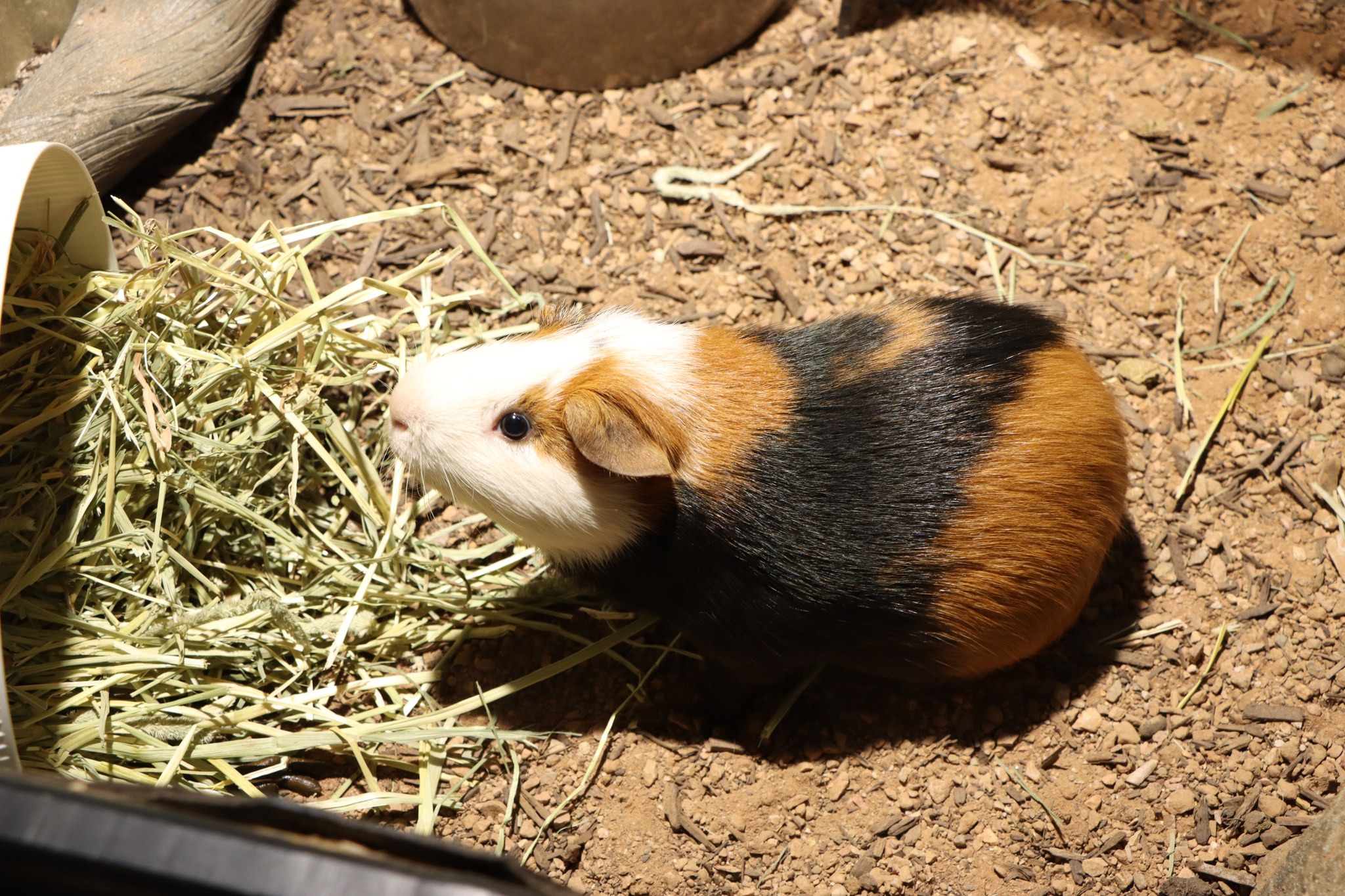
Even Ambassador Animals play an invaluable role in educational programs at zoos. These animals, like Basil the guinea pig at Reid Park Zoo, serve as ambassadors for their species, helping to foster a connection between the public and wildlife. Through hands-on interactions and demonstrations, visitors can learn about the importance of conservation and the behaviors of various species. Training sessions not only help engage the audience; they also provide critical care and management opportunities for zoo staff.
Positive reinforcement training is a technique widely adopted in animal care settings, emphasizing the choice and autonomy of the animals involved. Unlike traditional training methods that rely on coercion or punishment, positive reinforcement centers around rewarding desired behaviors. In Basil’s case, he is offered a small treat—his favorite, red bell peppers—each time he successfully targets a yellow ball with his nose. This method instills a sense of trust and cooperation between the animal and its trainers.
Target training, as demonstrated by Basil, offers remarkable benefits beyond mere performance of tricks. The cognitive exercises involved help provide mental stimulation, essential for the overall well-being of the animals. This training promotes curiosity and encourages animals to explore their surroundings. Basil’s sessions involve him interacting with a specially designed training stick that holds a yellow ball at its end. The simple action of touching his nose to the ball becomes a rewarding and engaging challenge. This activity not only sharpens his mind but also enriches his life within the zoo environment.
Such training methods also streamline veterinary health checkups. By establishing a positive training routine, zookeepers can easily facilitate physical examinations and monitor the health of their animals. For instance, during a training session, staff can evaluate Basil’s body condition, dental health, and other vital signs without the stress typically associated with veterinary visits. This method of health monitoring ensures that the animals are comfortable and cooperative, allowing for better assessments and early detection of potential health issues.
Furthermore, interactions with Even Ambassador Animals like Basil make a lasting impact on conservation awareness. Visitors engaged in training demonstrations often walk away with a greater understanding of animal welfare and the ecological challenges facing many species. When people connect with animals on a personal level, they are likely to become more invested in conservation efforts. This underscores the role of zoos like Reid Park Zoo not merely as places of entertainment but as essential platforms for education and advocacy.
The importance of such interactions is evident. When visitors observe Basil participating in a training exercise, they witness not just the training process but the relationship that exists between animals and their caretakers. This dynamic highlights the responsibility humans have towards wildlife, encouraging the public to consider their role in conservation. Educational programs using Even Ambassador Animals aim to inspire actionable steps towards sustainability and wildlife protection.
Training sessions also allow for a wide range of enrichment activities. Enrichment can take various forms—sensory stimulation through different scents, physical challenges, or interactive feeding methods. For Basil, each training session is a new opportunity for exploration. His environment can be adapted to facilitate further engagement, keeping him mentally active and emotionally satisfied. This multiplicity of enrichment activities underlines the significance of proactive animal management in zoos.
Incorporating Even Ambassador Animals into programming at Reid Park Zoo serves as an effective strategy to bridge the gap between the public and wildlife. The positive experiences shared during training sessions illuminate the capabilities and needs of these animals. Zookeepers are not just caretakers; they become educators, imparting knowledge about species conservation and habitat preservation. This role is pivotal in fostering a culture of care and responsibility among zoo visitors.
Moreover, the methodology behind training emphasizes the importance of mental health for zoo animals. Just like humans, animals require mental stimulation and opportunities for choice and agency. Positive reinforcement training empowers animals like Basil to engage in their own learning process, leading to improved emotional well-being. This autonomy in decision-making permits animals to convey their comfort levels, granting them a sense of control over their environment.
The work done at Reid Park Zoo reflects broader trends in animal welfare within zoological institutions. Zoos across the globe are adopting animal behaviors that promote interconnectedness and understanding. Highlighting ambassadors like Basil the guinea pig shows the evolution of zoo practices, moving from entertainment displays to more involved educational experiences. This transformation plays a crucial role in changing perceptions about animals and their treatment.
Furthermore, effective communication facilitated by these training techniques enhances the bond between zookeepers and animals. Training sessions can serve as a method of social interaction, allowing zookeepers to interpret animal behavior more accurately. Understanding signals that animals convey during training helps caretakers respond appropriately to their needs. This relationship-based approach increases trust and collaboration, leading to more fruitful and engaging learning experiences for both parties.
For those interested in zoology, understanding the handling and training of Even Ambassador Animals like Basil the guinea pig provides a glimpse into modern animal care practices. The integration of positive reinforcement training reflects a commitment to ethical standards within the field. With a focus on enhancing both animal welfare and public education, zoos are aligning their efforts with conservation goals critical for the survival of many species.
The broader implications of Even Ambassador Animals extend beyond the immediate context of the zoo. Each trained animal showcases the potential for humane treatment and innovative management strategies. The techniques and methods practiced at Reid Park Zoo can influence how wildlife is understood and managed globally. As zoos continue to be leaders in animal care practices, their influence helps shape conservation policies relevant for both local ecosystems and international wildlife efforts.
Additionally, Even Ambassador Animals serve as real-life examples for educational endeavors that highlight the importance of biodiversity. Basil’s activities portray the characteristics and behaviors of guinea pigs, a species not often highlighted in traditional wildlife education. By showcasing smaller, often-overlooked species, zoos encourage a broader appreciation of all animals, urging the public to recognize that conservation is a collective responsibility that includes even the most common of wildlife.
Engagement through shared experiences with animals fosters lasting memories. Activities involving Even Ambassador Animals at zoos promote empathy and understanding while educating visitors about local and global conservation issues. When visitors leave with a newfound perspective—gleaned from witnessing positive reinforcement training—there is potential for them to translate that awareness into support for wildlife preservation efforts, whether through donations, advocacy, or education in their communities.
Providing visitors with interactive and educational experiences is paramount in modern zoo management. The effective use of Even Ambassador Animals to teach about wildlife ensures that conservation messaging resonates with diverse audiences. Short demonstrations, like Basil practicing his training, become powerful tools for spreading awareness and facilitating a deeper connection to nature.
Through these avenues, Reid Park Zoo exemplifies how Even Ambassador Animals can educate the public about conservation and animal welfare. Training not only supports the animals’ physical and psychological well-being but also reinforces the connection between humans and wildlife. With a focus on science, ethics, and community engagement, the zoo plays a pivotal role in fostering behaviors that are beneficial for both animals and the environment.
*****
Source Description
Even Ambassador Animals, like Basil the guinea pig, train. At Reid Park Zoo, we use positive reinforcement training which puts all the power with animals like Basil. He can choose to participate or walk away if he wants to. In this training session, Basil was practicing touching his nose to the yellow ball at the end of a training stick. Each time he completes the action, he receives a positive cue, and is given a chunk of his favorite food, red bell peppers. Target training provides great mental exercise and learning opportunities, and also helps Zoo Keepers do health checkups with vet staff.
