
- Overview of the nine-banded armadillo’s habitat and distribution
- Interesting physiological characteristics of the nine-banded armadillo
- Behavior and social aspects of the nine-banded armadillo
- The role of the nine-banded armadillo in its ecosystem
- Conservation status and the importance of protecting this species
The nine-banded armadillo, known scientifically as Dasypus novemcinctus, is a fascinating creature native to the Americas. These animals primarily inhabit areas ranging from the southern United States to South America. They typically favor environments that are warm, including grasslands, forests, and shrublands. Interestingly, the nine-banded armadillo is highly adaptable, which allows it to thrive in various climates and terrains. This adaptability is one reason for its increasing popularity in urban settings and modified landscapes.
Nine-banded armadillos are unique for their physical characteristics. They are covered in a tough, protective shell made up of bony plates, which serves as an armor against predators. This characteristic helps them survive in habitats where predators such as coyotes and birds of prey exist. The armadillo’s size can vary; typically, they reach about 2 feet in length and weigh around 10-15 pounds. Their small size and lightweight build make them nimble, and they can dart away quickly when threatened.
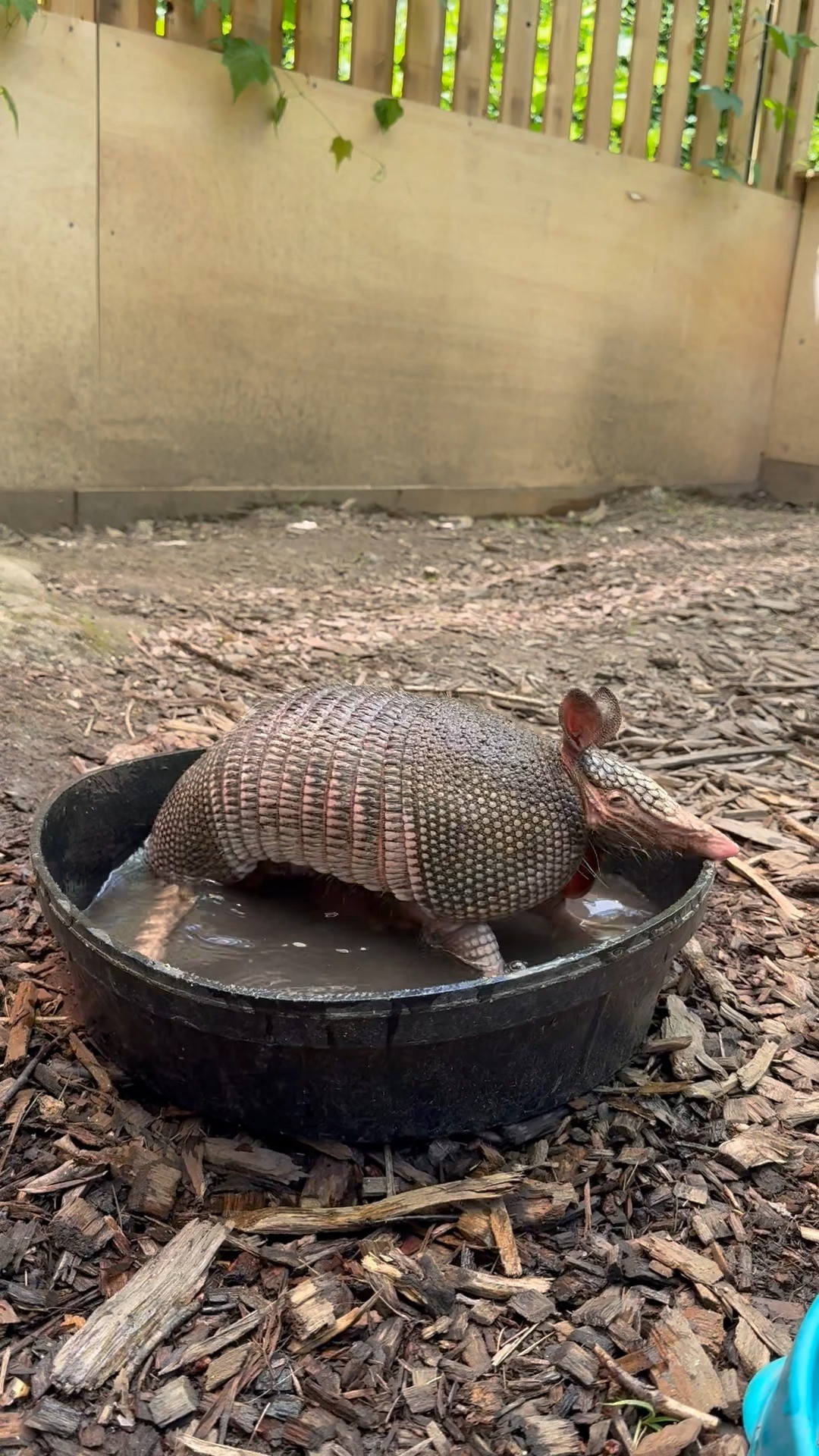
An intriguing aspect of the nine-banded armadillo is its remarkable swimming capability. While one might think they are entirely terrestrial animals, these creatures can swim impressively well when necessary. They use their legs to paddle through the water and can hold their breath for up to six minutes. This ability not only assists in escaping predators but also plays a crucial role in foraging for food across bodies of water.
The nine-banded armadillo is mostly a solitary creature, although some social behaviors do emerge when it comes to mating and raising young. These animals have a late-night lifestyle, primarily foraging for food during the night. Their diet is omnivorous, consisting mainly of insects, grubs, and even small vertebrates. Their powerful claws are adept at digging and tearing apart layers of soil to unearth potential meals.
A lesser-known behavioral trait is their unique reproduction process. Female nine-banded armadillos have delayed implantation, meaning fertilized eggs can remain in a dormant state until environmental conditions become ideal for raising young. Typically, females give birth to one to four identical young after an incubation period of about four months. The offspring are born blind and hairless, but they mature quickly.
In ecological terms, the nine-banded armadillo plays a significant role in its habitat. They assist in controlling the insect population and aerating the soil through their digging activities, which enhances nutrient cycling. By foraging for grubs and other insects, they help maintain a balanced ecosystem. Their burrowing activities allow for greater soil penetration, promoting plant growth and health.
Despite their adaptability and essential role in the ecosystem, nine-banded armadillos face challenges related to habitat loss and climate change. Urbanization has led to declining populations in certain areas due to the removal of their natural habitats. Yet, their populations have remained relatively stable in many regions due to their wide range and dietary flexibility. This adaptability can play a part in ensuring that their numbers remain thriving.
Conservation efforts for nine-banded armadillos are crucial. Various organizations are working to promote awareness about the importance of maintaining healthy habitats. Understanding the ecological role that this species plays can lead to better integration of conservation practices into urban and agricultural planning. Moreover, community outreach and educational programs can educate the public on coexisting with these unique animals.
In recognizing Trooper the nine-banded armadillo’s excitement about turning seven, we celebrate not only his milestone but also the broader implications of understanding and appreciating this remarkable species. Trooper serves as a reminder of the beauty and intricacies of wildlife. The nine-banded armadillo’s adaptability, unique physical traits, and ecological contributions exemplify the importance of conserving all species, ensuring ecosystems continue to thrive for future generations.
Education about the nine-banded armadillo and similar species not only enhances public knowledge but also fosters a sense of responsibility towards wildlife conservation. The act of sharing these insights can inspire individuals to engage in more eco-conscious behaviors, ultimately leading to a collective effort for preservation. Knowledge acts as a catalyst for change, urging society to become advocates for wildlife protection, thereby creating a more sustainable balance between human and animal needs.
In summary, Trooper the nine-banded armadillo serves as an engaging focal point for understanding a species that is often overlooked but incredibly vital. By celebrating milestones like Trooper’s seventh birthday, we draw attention to important issues in wildlife conservation and the need to protect species that contribute to our world. Fostering a deeper connection with wildlife ensures a commitment to conservation that can be passed down through generations. Protecting habitats, promoting biodiversity, and encouraging cohabitation with wildlife are essential for a healthier planet.
*****
Source Description
Can you tell Trooper the nine-banded armadillo is excited about turning 7 today?! 🎈🎉
This pool may be shallow, but armadillos are surprisingly excellent swimmers and can hold their breath for up to 6 minutes to cross bodies of water! 🏊♂️
