
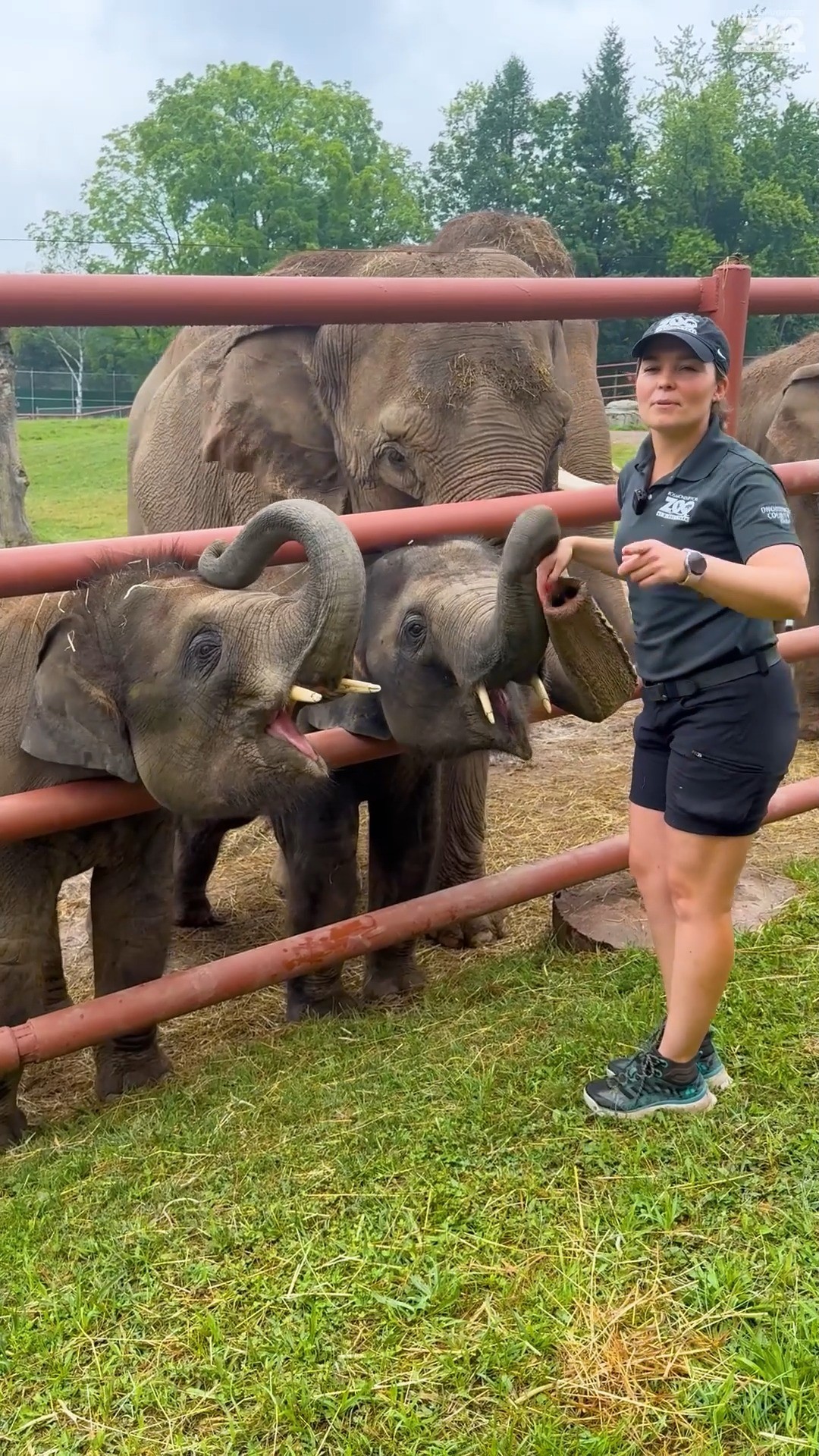
- The importance of Asian elephant conservation in preserving biodiversity.
- Overview of initiatives taken by organizations supporting Asian elephants.
- The role of research and vaccine trials in advancing elephant health.
- Community engagement and the role of zoos in conservation efforts.
- Collaboration among zoos and organizations for effective conservation strategies.
Conservation of Asian elephants is a critical issue, given their status as a globally endangered species. These magnificent creatures are not just iconic for their size and intelligence; they play key roles in their ecosystems. Through seed dispersal and habitat maintenance, they contribute significantly to biodiversity. The urgent push for their conservation stems from numerous threats, including habitat loss, human-wildlife conflict, and poaching. Safeguarding Asian elephants means ensuring the health of entire ecosystems.
Various organizations are stepping up to protect these gentle giants. For instance, initiatives led by groups like @asianelephantsupport and @elephantsief focus on direct interventions to help elephants survive in both wild and captive settings. Efforts include habitat restoration projects, anti-poaching campaigns, and community outreach programs. These organizations often collaborate with local communities, promoting sustainable practices that benefit both people and elephants. Such interactions aim to reduce conflict, offering farming alternatives that discourage encroachment into wild habitats.
Research plays a pivotal role in addressing health challenges faced by Asian elephants. The Houston Zoo, for instance, has actively participated in research projects and vaccine trials aimed at managing diseases that threaten elephant populations. Vaccines developed to combat viral infections can significantly reduce mortality rates, thus aiding in the preservation of this vulnerable species. Such scientific endeavors not only improve individual elephant health but also contribute to population stability across different regions.
Zoos are increasingly aligning their missions with conservation efforts. By housing and caring for Asian elephants, they serve as ambassadors for species awareness, educating the public about conservation issues. The Houston Zoo’s outreach, symbolized by their recent challenge, fosters cooperation among institutions globally. Such initiatives prompt other zoos, like @thehonoluluzoo, to join in the conversation and contribute to conservation efforts. The social media engagement highlights a growing trend—zoos are no longer just entertainment venues but essential players in the conservation landscape.
Community involvement is crucial for the success of these initiatives. Education programs aimed at locals help instill a sense of responsibility and connection to wildlife. Through workshops, schools, and local gatherings, communities learn about the consequences of poaching and habitat destruction. When people recognize the integral role elephants play in the ecosystem, they often become advocates for conservation. Moreover, sharing responsibility for the well-being of these animals fosters a bond that can lead to cooperative solutions.
Collaboration among zoos and organizations further amplifies the impact of conservation strategies. By pooling resources, sharing knowledge, and developing joint programs, they can reach a broader audience. An excellent example is the concerted efforts to develop standardized protocols for elephant care, based on research and best practices. This collaboration ensures that all participating institutions are equipped to offer quality care, therefore promoting healthier populations and educated public perceptions.
Through comprehensive education and outreach, zoos can effectively advocate for Asian elephants. Educational campaigns and social media challenges raise awareness and inspire action from a broader audience, bringing more people into the conservation fold. These platforms allow organizations to showcase their research findings and successful conservation projects, engaging both enthusiasts and academics alike. Increased awareness can lead to surfing donations, volunteer efforts, and partnerships that enhance conservation outcomes.
Research surrounding Asian elephants extends beyond health concerns; it delves into their social behaviors, migration patterns, and ecological roles. Understanding these elements is essential for effective management strategies. Long-term studies can reveal how elephants adapt to changing environments and the impacts of climate change on their habitats. Efforts in research provide invaluable insights that can guide habitat restoration and create buffers against human encroachment.
In summary, Asian elephant conservation is a multifaceted effort requiring collaboration across various sectors. It combines research, community engagement, and wildlife management to address the specific needs of this species. Each initiative contributes to a unified goal—ensuring a future where Asian elephants can thrive in their natural habitats and continue to enrich biodiversity.
So, as the Houston Zoo challenges others to join in the cause, it is imperative for businesses, organizations, and individuals to recognize the significance of these efforts. Every action counts, and each small step taken in conservation can culminate in substantial positive impacts on the survival of Asian elephants. The hope is that through continuous dedication and collaboration, the tide can turn for this majestic species and ensure its preservation for future generations.
*****
Source Description
Thanks for the tag @houstonzoo, we’re ready to rise to your challenge! 🐘
From participating in research projects and vaccine trials to supporting organizations like @asianelephantsupport and @elephantsief, our work to protect this critically endangered species never stops. Learn more about our work to save Asian elephants on our blog. Link in bio!
Happy from our herd to yours.
Hey @thehonoluluzoo, what are YOU doing for Asian elephants?
