
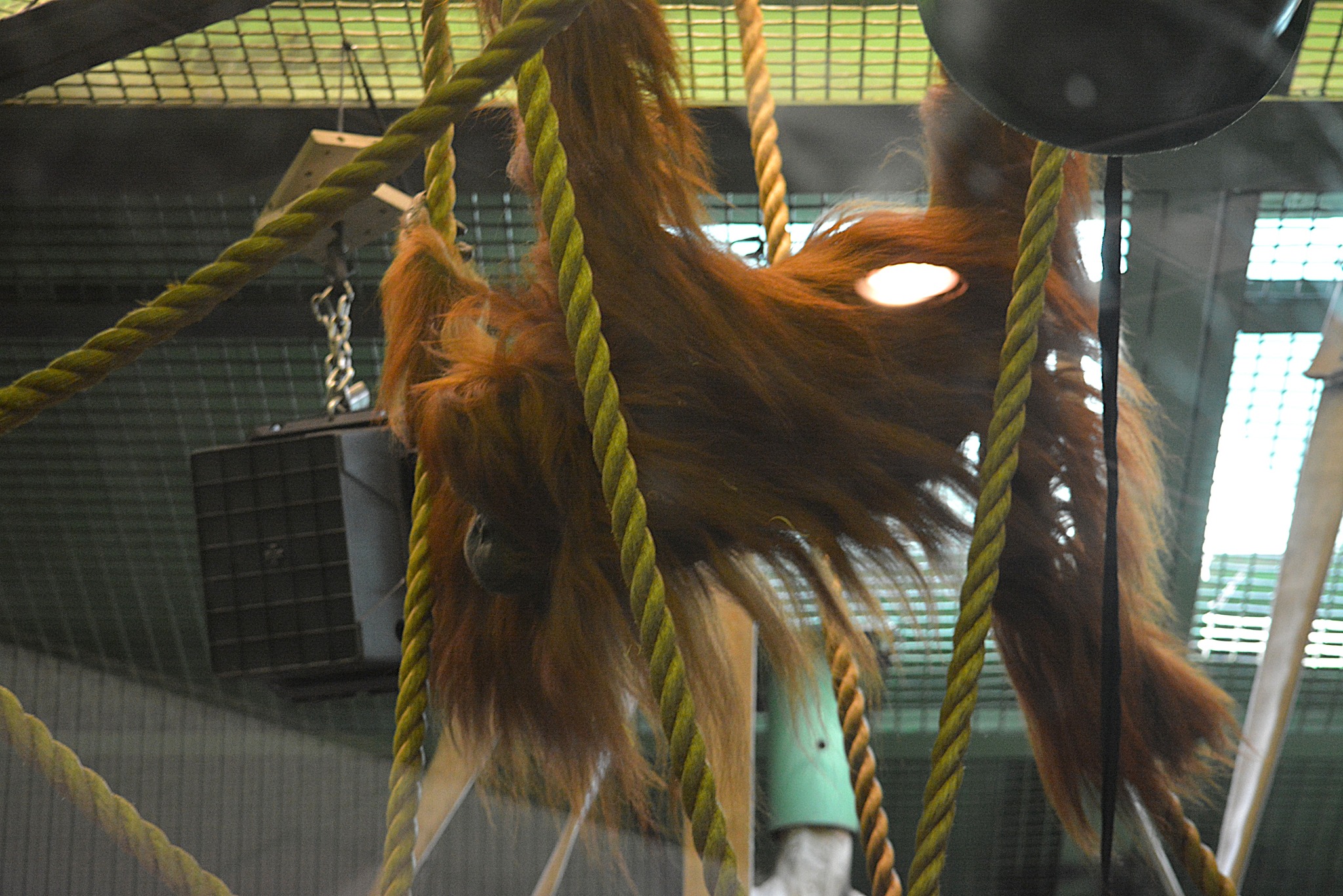
- Understanding the differences between apes and monkeys
- Introduction to specific species: Robin, Max, Jenny, Spider monkeys, and Emperor tamarins
- The importance of wildlife conservation and ethical zoo management
- The roles of zoos in education and research
- Engaging the public in wildlife appreciation and conservation efforts
When exploring the animal kingdom, one of the most notable distinctions is the difference between apes and monkeys. A common misconception is that both groups belong to the same family. However, one of the major differences is that apes do not possess tails, while monkeys do. This characteristic serves as a foundational aspect for understanding these two groups.
Among the apes, we find fascinating individuals like Robin, Max, and Jenny. Each possesses unique traits and behaviors that reflect their species’ characteristics. In contrast, we also have Spider monkeys and Emperor tamarins, which fall into the category of monkeys. By examining what makes each of these species unique, we can deepen our appreciation for them and the broader primate family.
The difference in tail presence is not just a superficial trait. It accompanies a variety of physiological and behavioral distinctions between these groups. For instance, monkeys are generally smaller and tend to inhabit trees, using their tails for balance while navigating through their arboreal environments. They exhibit different social structures, with many species living in larger groups. Apes, on the other hand, are usually larger and do not need to rely on tails for balance in their movement, as they are more adept at walking on all fours.
Understanding the roles of specific species is essential. Robin, Max, and Jenny are great representatives of the ape group. As highly intelligent beings, they share attributes such as tool use and complex social interactions. Their behavior often reflects a level of social organization that is quite sophisticated. Observations of their interactions provide insights into primate social structures and cognitive skills.
In stark contrast, Spider monkeys and Emperor tamarins showcase different behavioral traits and adaptations suited to their environments. Spider monkeys are agile climbers with long limbs and prehensile tails that they use to swing through trees. They primarily consume fruits, making them important seed dispersers in their ecosystems. Emperor tamarins, smaller in size, exhibit fascinating social behaviors and have unique mating systems. They live in tight family groups and provide significant insights into parenting behaviors in primates.
The differences and similarities among these species emphasize the importance of wildlife conservation and ethical zoo management. Zoos play a vital role in protecting these animals while educating the public. By conserving habitats and engaging in breeding programs, zoos contribute to the preservation of endangered species. Their efforts reflect advancements in animal care and husbandry, focusing on creating environments that mimic natural habitats as closely as possible.
As conservation challenges intensify, zoos have adapted to meet these challenges through various initiatives. Collaboration with wildlife organizations and researchers helps to protect species in their natural environments. Such efforts highlight the critical need for maintaining biodiversity and the ecological balance that these animals play a part in.
Education is one of the most vital roles that zoos undertake. Informing visitors about species like Robin, Max, Jenny, Spider monkeys, and Emperor tamarins creates a connection between people and wildlife. Interpretive programs, interactive exhibits, and behind-the-scenes tours enhance visitor experiences and knowledge. Such engagement helps to cultivate a generational appreciation for wildlife and conservation.
Furthermore, zoos often engage in research that promotes the welfare and understanding of animals. Studies focusing on behavior, nutrition, and reproduction provide valuable insights that can be translated into best practices for both captive and wild populations. Collaborative research projects extend beyond zoo boundaries, incorporating field studies that directly analyze animal behaviors in their natural habitats.
Public involvement is a significant component of successful wildlife conservation. Facilitating programs that encourage volunteerism and citizen science initiatives generates community interest and involvement. When people feel they are part of the conservation process, they are more likely to support these efforts.
By engaging with various species, visitors to the zoo cultivate a deeper understanding of the importance of species conservation. Animals like Robin, Max, Jenny, Spider monkeys, and Emperor tamarins act as ambassadors for their wild counterparts. Their presence raises awareness of the threats these species face from habitat loss, poaching, and climate change.
Communicating the significance of biodiversity is another critical focus of zoos. Each species plays a unique role in its ecosystem, contributing to the overall health of the environment. The loss of any one species can have a cascading effect on others, demonstrating the intricate web of life that sustains ecosystems. By highlighting interconnectedness, zoos educate visitors on the importance of protecting habitats.
The growing public interest in wildlife also brings opportunities for advancements in conservation techniques. Modern technology facilitates species monitoring and habitat restoration, directly aiding in conservation efforts. Zoos often collaborate with technological firms to pilot innovative strategies aimed at wildlife conservation. For example, satellite tracking allows researchers to follow the movements of endangered species, providing crucial data that informs conservation strategies.
Conservation efforts also require funding, and zoos play a vital role in generating financial resources. Through membership programs, donations, and fundraising events, they often mobilize substantial support for conservation initiatives. This financial backing ensures that zoos can continue their educational programs and operational missions aimed at wildlife protection.
In addition to logistical support, zoos also act as advocates for policy change. They work with governmental organizations and NGOs to promote legislation that protects wildlife. By participating in global conservation dialogues, zoos can influence decisions that affect animal welfare and habitat preservation. Their involvement fosters an understanding of the need for comprehensive policies that work towards a sustainable future.
Zoos are not without their critiques. Ethical concerns surrounding animal captivity and treatment persist. However, modern zoo management practices prioritize animal welfare and focus on creating environments that support natural behaviors. By advocating for improved standards and transparency, reputable institutions strive to address these concerns effectively.
Visiting a zoo is about more than just observing animals; it’s an opportunity to engage with the important topics of conservation and species welfare. Initiatives that encourage active visitor participation—such as educational talks, animal encounters, and conservation programs—create a more profound educational experience. Programs that offer hands-on learning engage attendees in meaningful ways, fostering both awareness and appreciation for wildlife.
Public perceptions of zoos have shifted over the years. Many now recognize the essential roles these institutions play in conservation, research, and education. Moreover, these changes signal a broader societal shift towards valuing and advocating for wildlife and habitat conservation.
As we reflect on the differences between apes and monkeys, the roles of Robin, Max, Jenny, Spider monkeys, and Emperor tamarins serve as a timely reminder of the vibrant diversity of life on Earth. Understanding these relationships strengthens the ethical obligation we have towards wildlife conservation.
The stories of these animals engage our hearts and minds. They remind us of the ongoing challenges faced by wildlife in a rapidly changing world. Engaging with these species at the zoo fosters a sense of connection that can translate into action. By advocating for wildlife conservation, we can help safeguard the futures of the remarkable animals with whom we share the planet.
*****
Source Description
It’s been awhile since we’ve done a Tuesday Tails… so why not make it a little extra fun!
Did you know one of the biggest differences between an ape and a monkey is that apes don’t have tails? Robin, Max, and Jenny are all considered apes, and our Spider monkeys and Emperor tamarins are both monkeys.
Come visit them all today!
