
- Tulsa Zoo’s long-standing history with Asian elephants
- Key developments in elephant care and habitat management
- The significance of the Association of Zoos and Aquariums’ Asian Elephant Species Survival Plan
- Social interactions and behavior management among elephants
- Future directions in elephant conservation and education at Tulsa Zoo
For over 70 years, the Tulsa Zoo has provided care for Asian elephants, highlighting its contribution to conservation efforts and animal welfare. This establishment is not just a venue for public entertainment; it serves a vital role in education and species preservation. Understanding the background and motivations behind the zoo’s efforts can enhance appreciation for the animals and the facility itself.
The history of the Tulsa Zoo’s commitment to Asian elephants dates back three generations. These majestic creatures have become a symbol of the zoo’s mission. Today, they house some remarkable milestones that signify progress and innovation.
Recently, the zoo completed the construction of two elephant barns with connected habitats. This expansion allows for greater flexibility in caring for the herd. Providing enough space for the elephants to roam freely and interact is crucial for their physical and mental health. With the ability to separate the elephants when needed, the staff can implement specialized care plans tailored to individual needs.
Four elephant transfers—Hank, Connie, Billy, and Tina—were conducted as part of the Association of Zoos and Aquariums’ Asian Elephant Species Survival Plan. This plan is critical for maintaining genetic diversity and stability in the population. Each transfer is based on a comprehensive understanding of the elephants’ backgrounds, health, and social dynamics. Collaboration among various institutions helps form breeding recommendations, ensuring the long-term sustainability of the Asian elephant population.
A noteworthy achievement is the presence of seven elephants residing in the zoo simultaneously, referred to as the “Sweet Seven.” This grouping has enabled staff to study the evolving social interactions among the elephants. Social structures among elephants can be intricate and require continual observation. The relationships that develop shape their behavior and overall well-being, making careful monitoring essential.
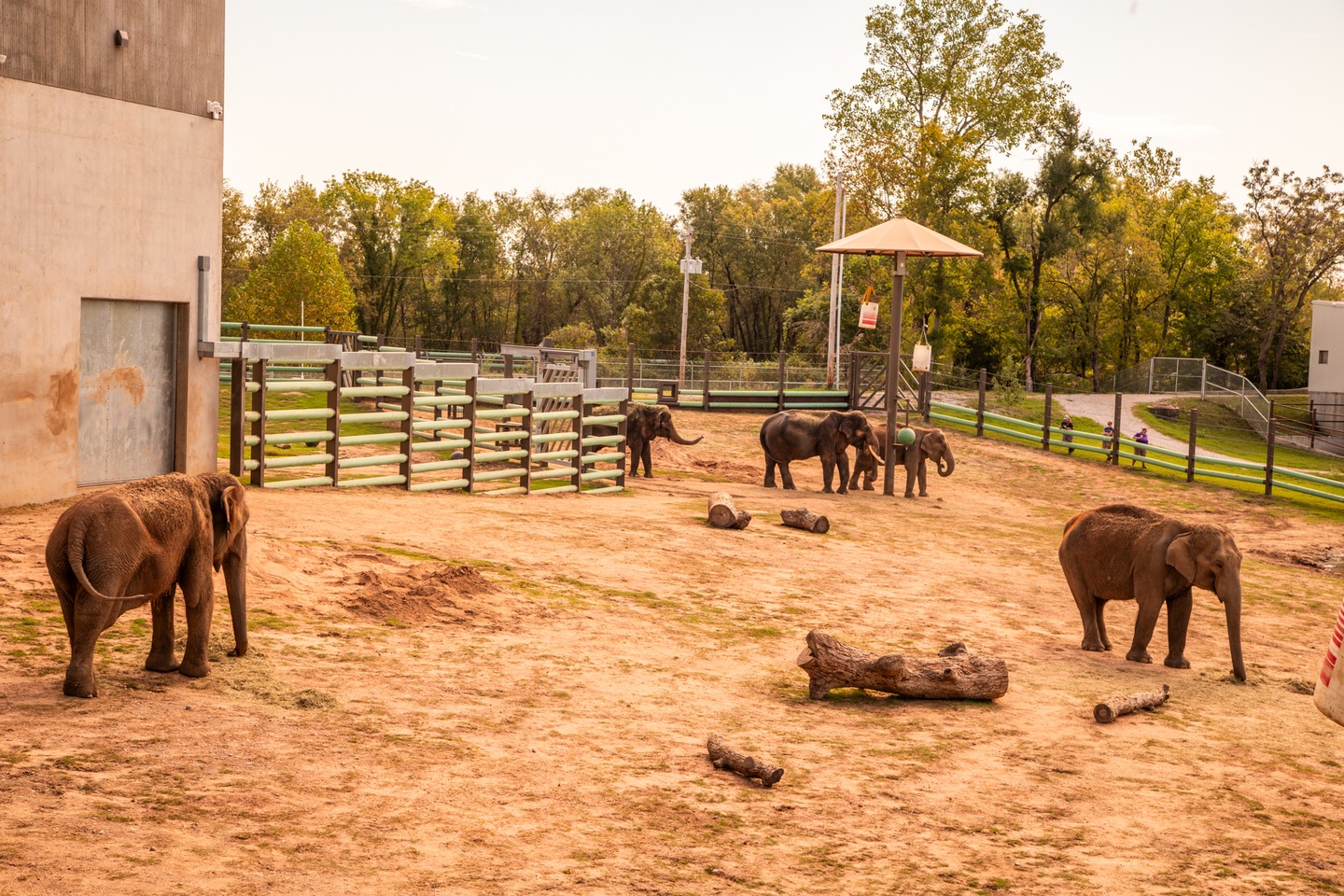
Most recently, the zoo achieved another milestone: five elephants cohabiting in a single habitat space. This social arrangement was made possible through months of planning and introductions by the highly skilled elephant care team. Observations of species-specific interactions confirmed that these combinations were beneficial, providing the elephants with enhanced opportunities for social engagement. The behaviors exhibited in these new groupings emphasize the importance of socialization and companionship among elephants.
The social dynamics of elephants demonstrate their intelligence and complex communication. They utilize vocalizations, body language, and even scent marking to interact with each other. Such intricate behaviors highlight the importance of understanding their needs, as a lack of social interactions can lead to stress and behavioral issues. The scientific community has observed that elephants exhibit emotions akin to human feelings, such as joy, grief, and compassion. Understanding these emotional and social dimensions is essential in creating environments that foster overall well-being.
Education remains a cornerstone of the Tulsa Zoo’s mission. School programs and community outreach initiatives feature information about Asian elephants and conservation efforts. These educational programs help raise awareness of the challenges facing Asian elephant populations in the wild, such as habitat loss and poaching. By fostering a connection with these creatures, the zoo encourages visitors to become advocates for wildlife conservation.
Conservation is not limited to the animals in the zoo. The Tulsa Zoo is involved in various initiatives aimed at preserving habitats in their natural environments. Efforts often include fundraising for organizations dedicated to Asian elephant protection, collaboration with international wildlife conservation groups, and habitat restoration projects. These initiatives work in concert to increase public awareness and support for vital conservation measures.
Visitors can look forward to engaging exhibits that highlight the role of Asian elephants within their ecosystems. Information panels, interactive displays, and conservation messaging create a comprehensive educational experience. Each of these elements aims to inspire visitors to appreciate the importance of protecting not only elephants but also the broader environments in which they live.
The remarkable history of elephant care at the Tulsa Zoo has fostered significant engagement with the local community and beyond. The opportunities for people to directly interact with experts provide insights into the daily management and care of these gentle giants. Such experiences encourage a broader understanding of the critical role zoos play in wildlife conservation.
While the zoo has made remarkable strides in elephant care, there is always room for growth. Future initiatives may include expanding educational programs and further collaborations with conservation organizations. Developing enhanced breeding and care strategies is vital for the continued success of their efforts.
The Tulsa Zoo is not just a sanctuary for elephants. It acts as a candidate for a wider discourse on wildlife conservation and education. The collective mission of preserving and understanding Asian elephants is vital for generating support among the public. By showcasing the complexity of elephant interactions and addressing the issues they face, the zoo actively contributes to global conservation efforts.
An important element in the future of elephant conservation is ongoing research and adaptation to new findings. Collaboration with academic institutions and wildlife experts can yield new insights into elephant behavior, health, and social structures. These partnerships enrich the zoo’s capacity for effective management while also contributing to the broader field of zoology.
The instinctual behaviors of Asian elephants make them particularly intriguing to study. Their communication methods, social structures, and behavioral needs contribute to our understanding of their biology. Engaging with this knowledge enables the zoo to craft environments that support natural behaviors, enhancing the well-being of its herd.
The Tulsa Zoo is redefining the role of zoos in the 21st century. It is no longer sufficient to simply provide habitats but to cultivate environments that stimulate social interactions and respect the natural complexity of animal behaviors. As visitors continue to explore the zoo, they will discover more than just these astonishing creatures; they will be invited into the collaboration between conservation, education, and animal welfare that informs all of the zoo’s efforts.
The remarkable journey of Asian elephants at the Tulsa Zoo is multifaceted. With over 70 years of experience, the zoo continues to evolve in its mission, ensuring that the future of Asian elephants is a priority in both local and global conservation narratives. Continued investment in habitat, care, research, and education underscores the zoo’s commitment to being a leader in wildlife conservation. The progress made within the zoo reflects a profound understanding of these incredible animals and a shared responsibility to safeguard their future.
As visitors plan their next trip to the Tulsa Zoo, the experience promises to be more enlightening than ever. One can anticipate witnessing the dynamic social groups that form and interact. The story of the elephants unfolds continually, showcasing the vital connection between animals, their caregivers, and the community—ultimately enriching our understanding of wildlife conservation as a whole.
*****
Source Description
For more than 70 years, Tulsa Zoo has proudly cared for Asian elephants, and recently, we’ve celebrated some incredible milestones.
For the first time in our history,
🐘 We have two elephant barns with connecting habitats, giving us more flexibility to care for our herd.
🐘 We’ve had four elephant transfers (Hank, Connie, Billy and Tina) – all part of the Association of Zoos and Aquariums’ Asian Elephant Species Survival Plan.
🐘 We’ve had seven elephants residing here at once – our “Sweet Seven!”
🐘 And most recently, we reached another milestone: five elephants sharing one habitat space together!
In these photos, you’ll see Sooky, Billy, Tina, Connie and Booper, a grouping made possible through months of careful howdies and introductions by our elephant team. Our staff has continued to observe acceptable species-specific behaviors, showing us that these new social opportunities are a positive step for the herd.
You never know what social combination you might spot during your next visit!
