
- The biology and feeding habits of flamingos and Coscoroba swans
- The importance of habitat conservation for both species
- The role of zoos in wildlife education and conservation efforts
- Differences in behavior and social structures of flamingos and Coscoroba swans
- The significance of aquatic ecosystems in supporting both species
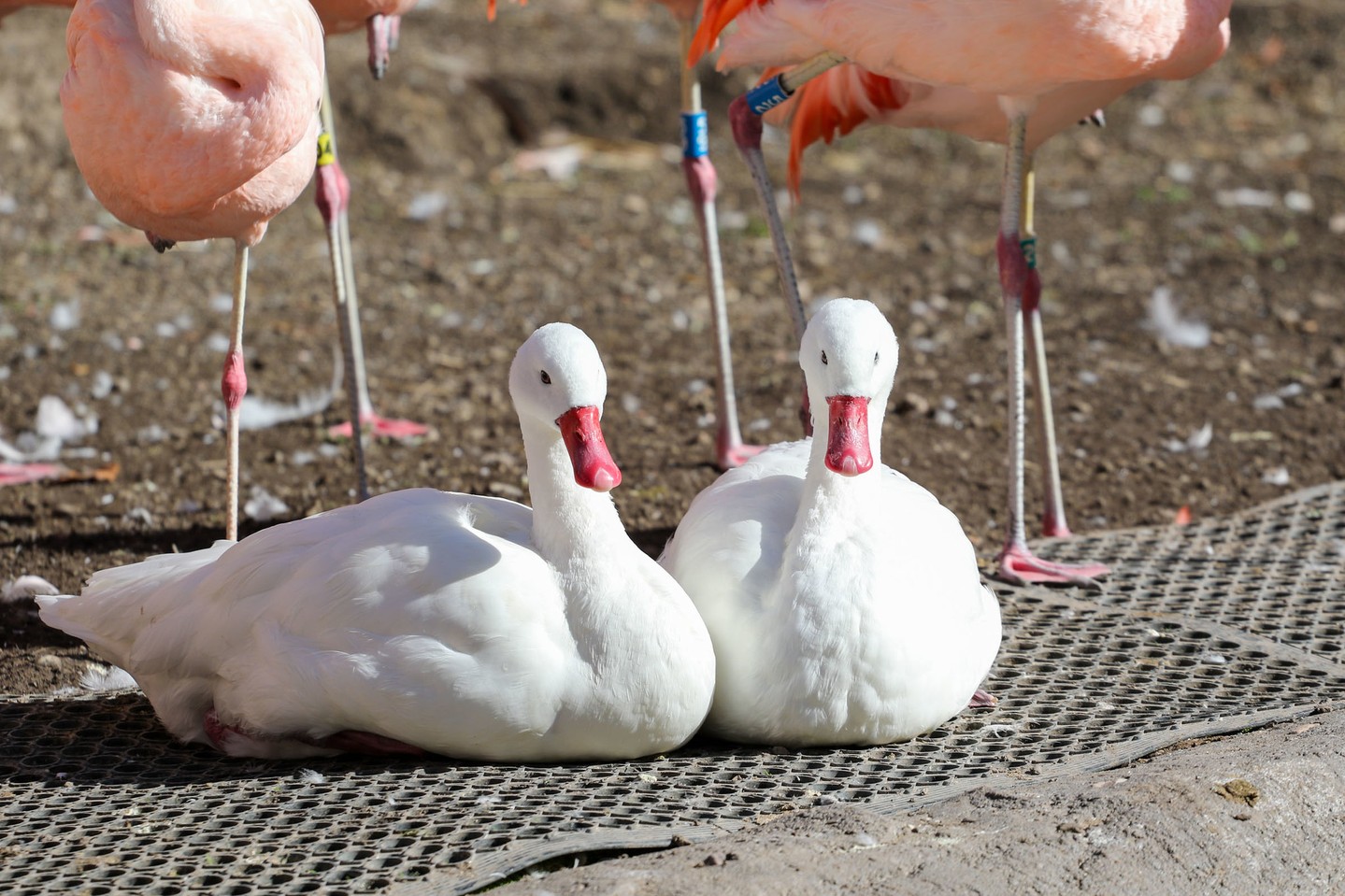
Flamingos are among the most recognizable waterfowl, known for their distinctive pink feathers and graceful stature. These birdsare often found in shallow coastal waters and lakes rich in salt and brine. As you admire the flamingo chicks during your visit, it’s vital to also take notice of their exhibit mates, the Coscoroba swans. Both species share similar diets and habitats while offering unique insights into avian biology and conservation.
The biology and feeding habits of flamingos and Coscoroba swans reveal fascinating similarities, but also distinct differences. Flamingos primarily consume a diet consisting of aquatic invertebrates—such as brine shrimp and algae—using their specialized beaks to filter food from the water. The filtering mechanism allows them to feed in shallow waters where their food sources thrive. Surprisingly, these birds get their iconic pink coloration from carotenoid pigments found in the algae and crustaceans they consume. The brighter the hue, the healthier the flamingo.
In contrast, Coscoroba swans, characterized by their striking white plumage with black facial markings, also thrive on aquatic invertebrates but include a range of aquatic vegetation in their diet. They often graze on plants in shallow waters, supplementing their diet with seeds and roots. The adaptability in their feeding habits allows them to occupy diverse habitats, giving them a slight edge over other swan species that may face food limitations. Understanding their diets highlights how closely linked these birds are to their aquatic environments.
Habitat conservation plays a crucial role in ensuring the survival of both flamingos and Coscoroba swans. The wetlands and shallow lakes they inhabit are vital ecosystems, providing not just food but also safe breeding grounds. Unfortunately, these habitats are often threatened by pollution, urban expansion, and climate change. Conservation efforts focus on protecting these ecosystems through legislation and habitat restoration programs.
Zoos play a significant role in wildlife education and conservation efforts. In many zoos, flamingos and Coscoroba swans are showcased to educate visitors about the importance of wetlands and the interconnectedness of life within these ecosystems. By raising awareness, zoos promote conservation behaviors among the public. Species survival plans (SSPs) often include both flamingos and Coscoroba swans, focusing on breeding programs aimed at maintaining healthy populations in captivity. This is not merely an act of preserving these species for aesthetic enjoyment; it serves a more profound purpose of ensuring their survival for future generations.
When examining the social structures of flamingos and Coscoroba swans, significant differences emerge. Flamingos are highly social birds, living in large colonies that can number in the thousands. This social structure aids in foraging and provides safety in numbers against predators. Their courtship displays can be quite elaborate, often involving synchronized movements with fellow flock members, which strengthen pair bonds.
Coscoroba swans, however, exhibit a more monogamous approach to life. They usually mate for life, forming strong partnerships that are essential for raising their young. Their social structure allows for smaller gatherings, often consisting of only a few individuals. This difference highlights the varying strategies that birds use for reproduction and survival in their respective environments.
The significance of aquatic ecosystems cannot be overstated when discussing flamingos and Coscoroba swans. Both species depend on rich, diverse environments for food and shelter. Wetlands, marshes, and shallow lakes support a variety of life forms. They act as nurseries for countless aquatic species, offering a holistic habitat. Healthy wetlands filter pollutants and provide flood control, making them essential for overall biodiversity.
In summary, observing flamingo chicks provides an excellent opportunity to also learn about Coscoroba swans. The shared feeding habits of both species highlight the intricate balance of life in aquatic ecosystems. Understanding the biology, conservation needs, and social structures of these fascinating birds enriches our appreciation for wildlife and underscores the importance of habitats that support them. Through educational programs and conservation efforts, zoos play an essential role in safeguarding our planet’s biodiversity. As you explore the exhibits, remember that each species, including flamingos and Coscoroba swans, is a vital part of our ecosystem that deserves attention and protection.
*****
Source Description
While you’re here visiting the flamingo chicks, make sure you also check out their exhibit mates, the Coscoroba Swans! Like flamingos, Coscorobas feed on aquatic invertebrates as part of their diet! Aquatic vegetation is also a large part of the swans diet.
