
- The significance of experiential learning in environmental education
- Overview of Puerto Rico’s ecological features and conservation efforts
- Cultural insights through local interactions and landmarks
- The role of collaborative goals in wildlife conservation
- Engaging with the public for educational outreach and conservation awareness
Experiential learning is an essential method for education, especially when it comes to understanding ecological systems. The Puerto Rico Ecological Edventure course embodies this concept by immersing participants in real-world situations. Rather than learning from textbooks, participants engage directly with the environment, observing and analyzing ecosystems and species. This hands-on approach helps reinforce the importance of wildlife conservation and deepens understanding in ways that traditional lecture formats cannot.
Puerto Rico features a diverse ecological landscape. The island is home to various ecosystems, including tropical rainforests, coral reefs, and coastal wetlands. This biodiversity is a treasure trove for scientists and nature enthusiasts alike. Each ecosystem supports unique species and plays a crucial role in the planet’s health. During the Edventure, participants will delve into these ecological systems, learning about local flora and fauna’s roles in maintaining balance.
The trip begins with a van ride from San Juan to Rincón, providing an opportunity for participants to wind down and socialize. As the journey unfolds, the landscape transforms from urban settings to lush greenery. Along the highway, glimpses of coastal views can be seen, hinting at the adventures ahead. The informal atmosphere in the van allows everyone to share their backgrounds, creating a sense of camaraderie before any official activities commence.
After arriving, participants enjoy a delightful lunch, featuring local Puerto Rican cuisine. Traditional dishes often highlight ingredients like plantains, rice, and fresh seafood. This meal highlights the relationship between culture and environment, as local food reflects the island’s biodiversity. Understanding local culinary practices fosters a deeper appreciation for conservation efforts; the health of ecosystems directly influences the sustainability of agricultural and fishing practices.
The first stop is La Cara del Indio, a striking rock sculpture inspired by Taíno mythology. This visit introduces participants to the island’s history and culture. The Taíno, the indigenous people of Puerto Rico, had a profound understanding of their environment and lived in harmony with it. Through discussions about the significance of this sculpture, participants can reflect on the interconnectedness of culture and nature. Learning about historical perspectives on ecology is vital for contemporary conservation efforts.
After this cultural stop, the group visits the Plaza de Isabela to share their goals for the course. This moment emphasizes the importance of setting collective objectives while exploring diverse ecosystems. Participants may express aspirations like enhancing their knowledge of marine life or contributing to local conservation projects. Assigning value to these goals fosters a sense of accountability among the group and strengthens their desire to learn collaboratively.
The shift from individual aspirations to collective objectives highlights the importance of teamwork in wildlife conservation. Understanding that conservation is a collective responsibility is crucial. Researchers, policymakers, and local communities must work together to foster sustainable practices. The course aims to embody this approach, combining individual learning with collaborative efforts for immediate and long-term impact.
Expectations for the week also focus on specific conservation projects that align with ongoing initiatives at NC Aquariums. Participants will witness firsthand how these projects strive to protect marine environments. These experiences allow individuals to observe methods of monitoring fish populations, assessing coral health, and implementing outreach programs for local communities. Such initiatives often include educational workshops for schools that emphasize the importance of marine ecosystems.
Marine conservation is incredibly vital, as coral reefs are among the most endangered ecosystems globally. They support a diverse range of marine species, serve as buffers against wave energy, and support local economies through tourism and fishing. Participants in the Edventure will have chances to snorkel and interact with these vital habitats, gaining insights on the importance of coral health and reef management.
Another critical aspect of the Edventure is engaging with local conservationists and researchers. Through seminars and interactions, participants have the chance to ask questions and receive in-depth insights into Puerto Rico’s ongoing conservation initiatives. This interaction creates a unique opportunity for knowledge transfer, where participants can learn about specific methodologies used to support wildlife and natural habitats.
Community engagement is essential for conserving natural resources. Participants also learn how community outreach plays a role in raising awareness and mobilizing citizen action. Engaging the public fosters a sense of responsibility and community ownership of environmental challenges. Effective communication strategies can inspire individuals to take action at local levels, thus amplifying conservation efforts.
The week continues with more excursions to pristine locations, including beaches, rainforests, and wetlands. Each visit illuminates different ecological principles and species’ adaptations to their environments. The diversity in activities ensures that participants remain actively engaged while providing varied learning experiences.
In marshes, for instance, participants can observe the vital role they play in filtering pollutants and hosting a variety of species. These ecosystems often serve as nurseries for fish, providing critical habitats for their early life stages. Discussions during these visits emphasize the interconnectedness of species and habitats, aligning with the course’s goals.
Wildlife encounters also contribute to hands-on learning. Whether spotting endemic birds or studying amphibian behavior, each experience reinforces the course’s educational objectives. Understanding wildlife behavior and habitat preferences empowers individuals to advocate for species protection actively.
The final days of the Edventure involve fieldwork designed to put knowledge into action. Participants may engage in hands-on projects like planting native species or helping with beach clean-up efforts. These initiatives impart skills that participants can carry back to their home communities. Practical conservation work provides a solid foundation for advocacy and aligns with global sustainability goals.
As the trip wraps up, the group reflects on their experiences and how these lessons can extend beyond the course. They may brainstorm ways to apply their newfound knowledge in their communities. Communication is key, and participants are encouraged to use social media platforms to share insights and experiences. This sharing approach helps amplify the message of environmental stewardship.
By focusing on experiential learning, cultural appreciation, and collaborative efforts, this ecological edventure truly embodies the philosophy that when life gives you lemons, you make limonada. Every challenge faced throughout the week—be it logistical or environmental—serves as an opportunity to learn and grow. This mindset is vital for nurturing individuals passionate about wildlife conservation and ecological stewardship.
Environmental challenges are numerous, and being part of a community that actively seeks solutions emphasizes the shared responsibility society bears. As participants return to their home regions, they carry the message of conservation forward, inspiring the next generation of environmental advocates. The experiences gained in Puerto Rico continue to resonate far beyond the duration of the course, seeding a lasting commitment to protecting the planet’s precious ecosystems.
This course stands as a testament to the power of adventure, experiential learning, and cultural engagement in fostering an enduring commitment to conservation. The journey may have begun with hiccups, but it’s clear that nothing could stop this group of adventurers from transforming challenges into opportunities for growth and education. The spirit of making lemonade from lemons shines brightly, with each day’s experiences adding flavor to the narrative of conservation.
*****
Source Description
Making Lemonade!
From delays to a good day; nothing could stop this group of adventurers from enjoying the first day of their Puerto Rico Ecological Edventure course!
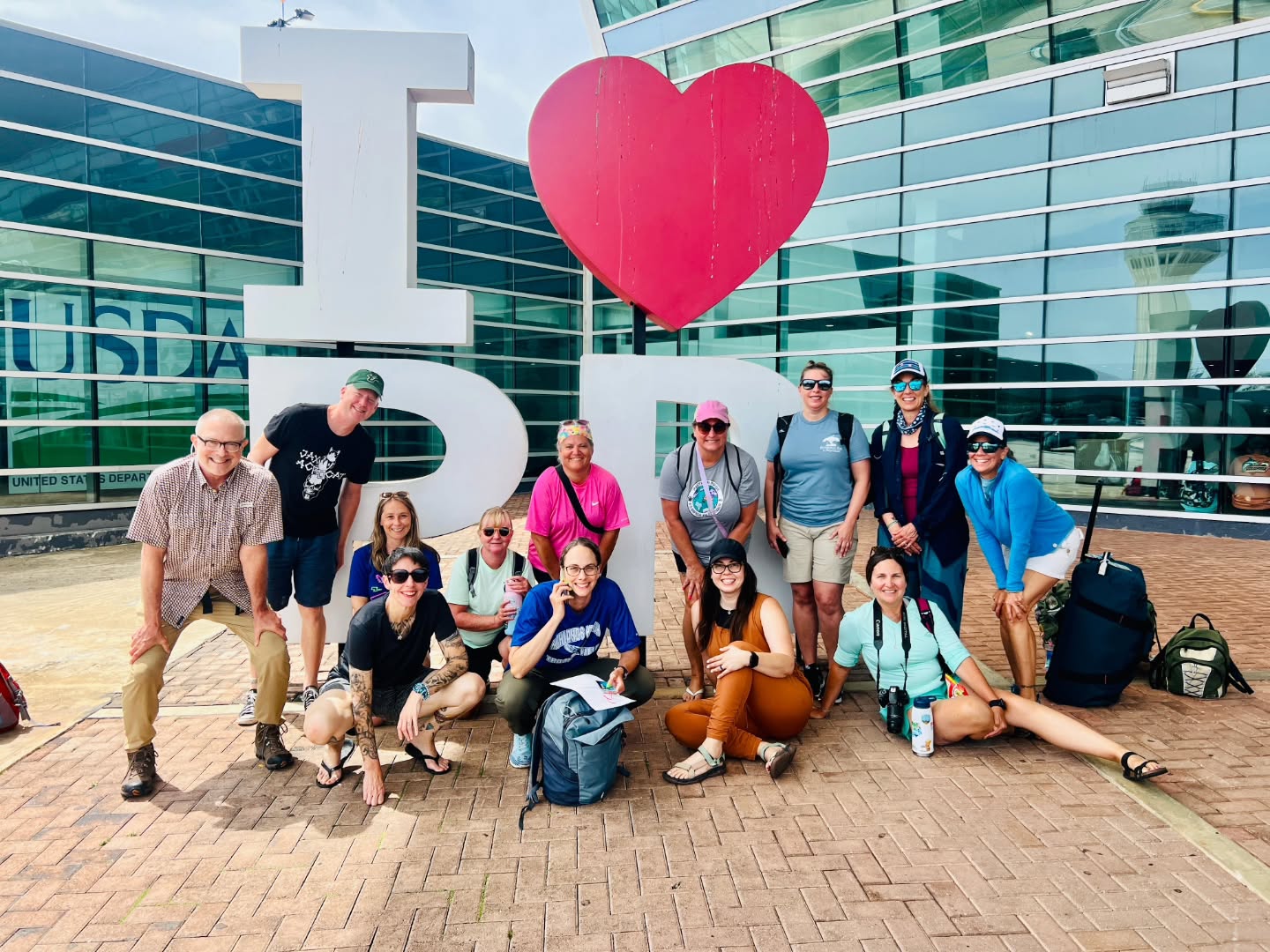
Despite a few logistical hiccups, we began our journey from San Juan to Rincón with spirits high. The van ride gave us a chance to rest—especially for those who arrived on late-night flights—and to get to know each other better.
After a delicious lunch, we headed to Isabela to visit La Cara del Indio, a striking rock sculpture inspired by a Taíno myth. While in Isabela, we also stopped by the Plaza de Isabela, where we took time to reflect and share our goals for the trip. We also discussed goals for the week regarding conservation efforts we hope to accomplish and how they relate to the work being done with NC Aquariums.
Please follow us this week using to send us your questions that you’d like answered. We will be answering them live from the field!
And remember , when life gives you Lemons, make Limonada!
Stay tuned–more to come soon! 🌊🐠🪸
@islamarexp
