
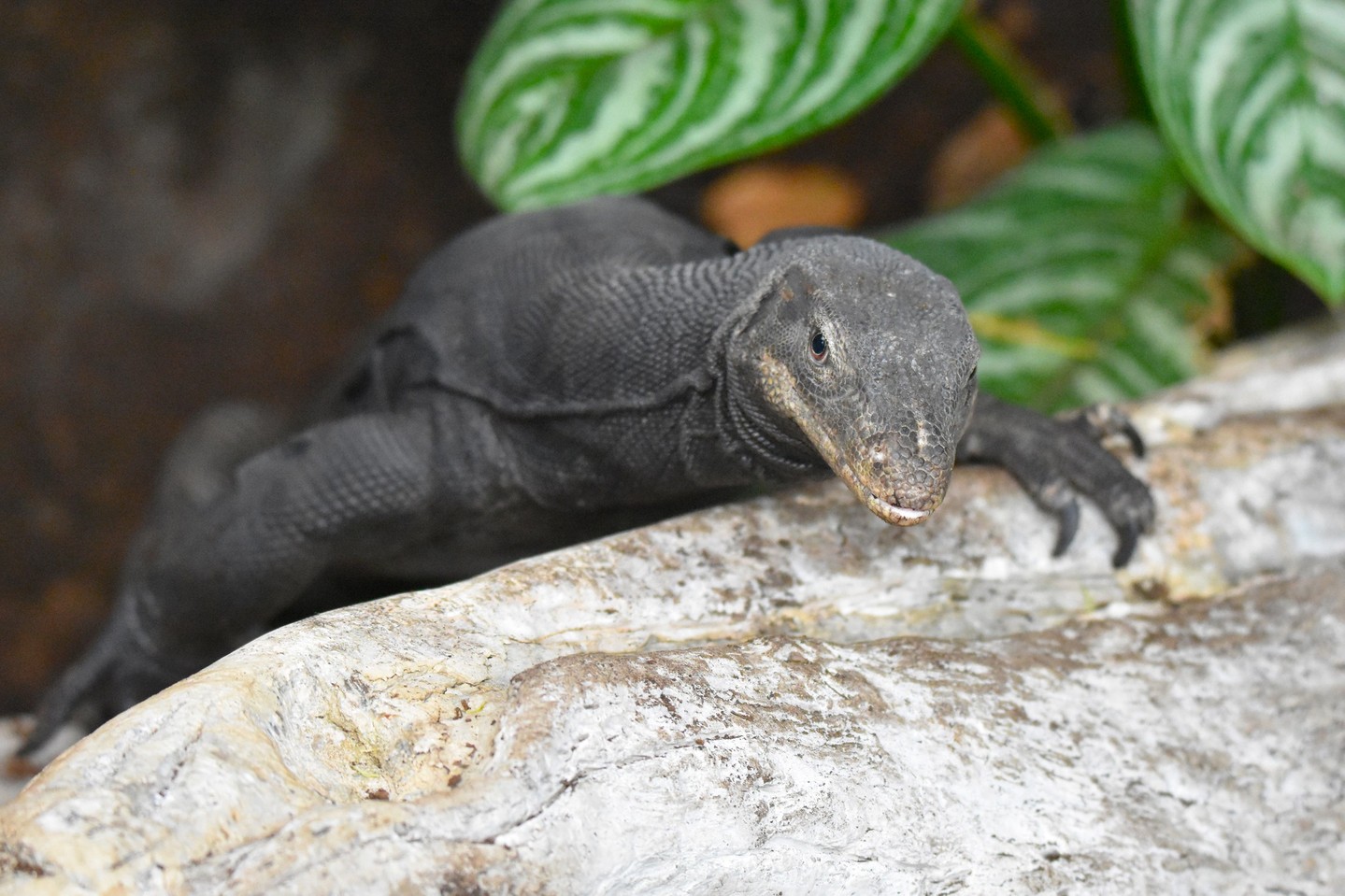
- The charming features and behaviors of Toothless
- The connection between Toothless and real-world dragon species
- The significance of Toothless in wildlife conservation and education
- Understanding the role of animation in promoting awareness of animal welfare
- The impact of Toothless on popular culture and its implications for real-world animal interactions
Toothless, the beloved dragon from the “How to Train Your Dragon” series, captivates audiences with an overwhelming charm that combines visual appeal with relatable behaviors. His large, expressive eyes, playful antics, and striking design contribute to a personality that resonates with people of all ages. Such designs are integral in anthropomorphizing animal traits, making them more relatable. The appeal of Toothless illustrates an essential aspect of animal behavior; the more cute and approachable an animal seems, the more likely it garners affection and support from the public. This connection is fundamental in understanding how a character like Toothless can effectively promote awareness about wildlife conservation efforts.
Toothless possesses a set of charming features that amplify his cuteness. His large, round eyes allow for expressive storytelling, demonstrating emotions ranging from exuberance to vulnerability. In the animal kingdom, large eyes often indicate adaptability, a trait that many species share. The design choices made for Toothless, such as his oversized ears and rounded face, create a visual similarity with many juvenile mammals. These features trigger nurturing instincts in viewers, indicating a natural phenomenon known as the “baby schema,” where certain physical characteristics invoke affection and a desire to protect.
The behavior of Toothless also serves as a parallel to real-life animal species. Many people draw parallels between Toothless and various dragonflies, as well as other reptiles. While dragons don’t exist in the scientific sense, creatures like the Komodo dragon and monitor lizards display fascinating qualities tied to predation and social interaction. Toothless exhibits both playful and protective behaviors, reminiscent of pack dynamics in canines and social structures in certain reptile species. Understanding these behaviors in real animals can enhance our appreciation for how Toothless is depicted, showing that even a fictional creature can draw inspiration from nature.
The character of Toothless also plays a pivotal role in wildlife conservation and education. As more audiences connect with him emotionally, they become more aware of the need for environmental stewardship. Having a relatable figure in popular culture serves as a vehicle for larger messages about protecting wildlife habitats, combating climate change, and respecting biodiversity. Animated characters like Toothless engage viewers, encouraging them to advocate for real-world conservation initiatives. This engagement is particularly critical when considering the declining populations of numerous species globally. By using Toothless as a springboard for discussions around wildlife, organizations can create educational platforms that inform audiences about the challenges faced by actual wildlife and the importance of conservation efforts.
Animation plays a crucial role in fostering awareness and understanding of animal welfare. Toothless’s compelling story emphasizes the relationship between humans and animals, facilitating discussions that challenge misconceptions about predatory creatures. By portraying Toothless as a gentle and cooperative companion, the animation prompts viewers to reconsider their perceptions of behaviors typically thought to be threatening. This powerful narrative can serve as a tool to educate audiences about the importance of empathy and the need for humane treatment of all animals, regardless of their size or perceived danger.
Moreover, Toothless has made a significant impact on popular culture, influencing various forms of media and marketing strategies, which in turn affect public attitudes towards wildlife. Merchandise featuring Toothless—from toys to clothing—pushes the concept of wildlife into mainstream conversations, creating a bridge between entertainment and environmental advocacy. Such visibility presents a unique opportunity; when children and adults adopt Toothless as a favorite character, they are also prompted to consider the ecological themes intertwined with his narrative.
One of the lesser-discussed implications of Toothless’s popularity is the responsibility it places on content creators and the scientific community to present accurate wildlife information. As individuals become engrossed in stories featuring Toothless, they may look for connections to real-life animal behaviors or ecological issues. The portrayal of Toothless as a companion animal encourages individuals to investigate their own relationship with wildlife. As a result, people often engage in discussions about species conservation and ethical interactions with nature in more depth, deepening public interest in real conservation efforts.
The charm of Toothless extends beyond his adorable appearance; it acts as a catalyst for fostering empathy and awareness about wildlife and its conservation. By illustrating relatable behaviors and traits, Toothless provides a bridge between the world of animated storytelling and real-life ecological challenges.
Through in-depth education and engagement, characters inspired by whimsical ideas can inspire robust support for real-world actions aimed at wildlife conservation. As individuals fall in love with Toothless’s character, they also become more invested in understanding the importance of preserving biodiversity and respecting wildlife habitats, especially in an age marked by environmental changes.
Investing in such educational efforts offers immense potential for instilling a sense of environmental stewardship within communities. Aligning Toothless’s charm with initiatives that educate about wildlife can encourage people to become advocates for local wildlife, supporting species across varying ecosystems. This includes protecting habitats and understanding the critical relationships that exist among various species.
Therefore, as Toothless garners affection from millions, so too does he evoke a sense of responsibility among his fans to protect the environments in which real-life animals dwell. Each viewer’s emotional engagement with Toothless can lead to proactive measures that contribute to the conservation of wildlife and their habitats.
The portrayal of Toothless, along with the blend of adorable character design and profound thematic undercurrents tied to conservation, signifies a critical opportunity for public education. This multifaceted approach fosters a greater understanding and appreciation of wildlife, championing the message that every species has a place in the ecosystem, and each person has the power to impact conservation positively. Elements of storytelling in animation become essential tools by which to motivate individuals and communities toward constructive action regarding animal welfare and environmental conservation.
Engaging narratives that revolve around characters like Toothless not only entertain but educate audiences about the urgent need for environmental protection. Through a deeper understanding of the relevance of such stories, we value what we often take for granted, paving the way for a future where wildlife thrives alongside human progress. The captivating nature of Toothless is a demonstration of how storytelling can foster a more profound connection to wildlife while encouraging proactive measures for their protection.
In the pursuit of wildlife conservation, leveraging the engaging likeness of Toothless serves as a reminder of the responsibility we share toward preserving our planet’s rich diversity. As fans of Toothless continue to champion his narrative, the hope remains that their engagement will foster broader movements in wildlife conservation, ensuring that the bond between humans and nature flourishes.
*****
Source Description
Toothless being too cute 😍
