
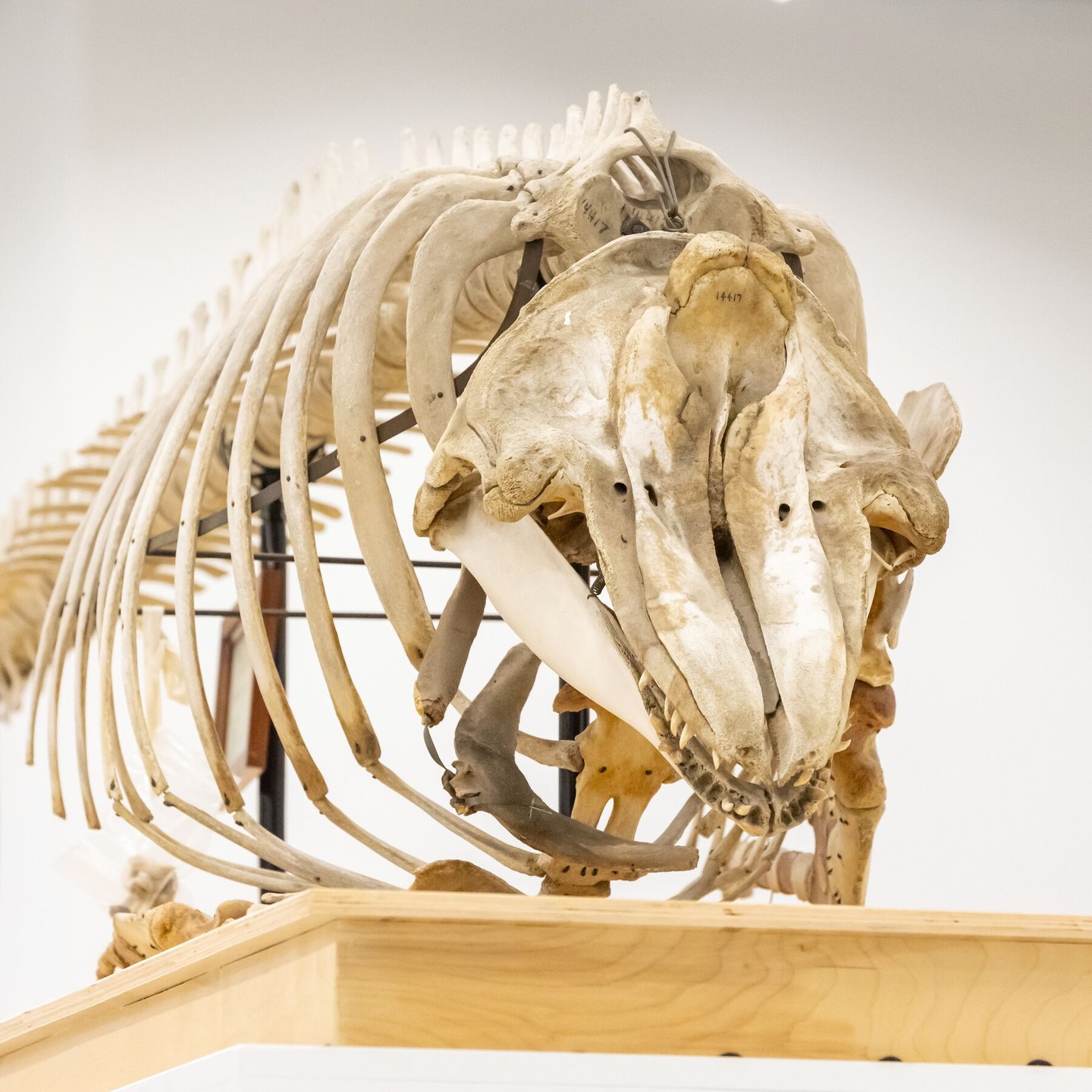
- There are two main types of whales: toothed and baleen.
- Toothed whales, including dolphins and porpoises, actively hunt specific prey.
- Baleen whales are filter feeders and possess baleen made of keratin.
- The blue whale, a baleen whale, is the largest animal on Earth and consumes up to 16 tons of krill daily.
- Both types of whales have critical roles in marine ecosystems, impacting biodiversity and health.
Whales, the majestic giants of the oceans, broadly fall into two categories: toothed whales and baleen whales. Understanding these categories reveals fascinating insights about their behavior, diet, and role in marine ecosystems. This article provides a comprehensive overview of these two groups, offering informational insights that highlight their differences, feeding strategies, and ecological significance.
Toothed whales, as the name suggests, possess teeth and typically hunt individual live prey. These whales include well-known species such as dolphins, porpoises, and sperm whales. Their hunting techniques vary significantly; some, like orcas, prey on fish, seals, and even other whales. Toothed whales utilize echolocation, a form of sonar, to locate and capture their food. This ability enables them to thrive in the vast, often dark depths of the ocean where visibility is limited. The sperm whale, for example, can dive to great depths in search of squid, using echolocation to hunt effectively.
In contrast, baleen whales feature a wholly different feeding mechanism. Instead of teeth, they possess baleen plates, made from keratin – the same protein found in human hair and nails. These plates hang from the upper jaw, forming a sieve-like structure. When feeding, a baleen whale takes in a mouthful of water and then pushes the water out through the baleen, trapping small prey like krill and small fish inside. This method allows these massive creatures to consume vast amounts of food in a single gulp, reflecting their adaptation to a filter-feeding strategy.
Interestingly, the largest animal on Earth, the blue whale, is a member of the baleen group. Blue whales can grow up to 100 feet in length and weigh as much as 200 tons. To sustain their enormous size, they can consume up to 16 tons of krill each day during feeding seasons. This incredible capacity for filtration has profound implications for marine ecosystems. By processing such enormous quantities of krill, baleen whales help control krill populations and contribute to nutrient cycling in the ocean.
The ecological roles of both toothed and baleen whales are significant. Toothed whales often engage in complex behaviors that allow them to exploit a variety of prey. For instance, social species like dolphins and orcas hunt cooperatively, demonstrating advanced communication and social structures. This behavior not only makes them effective predators but also strengthens the bonds within pods, fostering social cohesion. Through these interactions, toothed whales help maintain the balance of marine food webs by regulating prey populations.
Baleen whales, on the other hand, contribute to the health of marine ecosystems through nutrient redistribution. When these whales dive for food, they also bring nutrients from the depths to the surface. When they defecate, they release nutrients back into the water column, stimulating plankton blooms that serve as the base of the marine food web. This nutrient cycle supports a diverse array of marine life, from tiny crustaceans to large fish and other marine mammals.
Given the importance of both toothed and baleen whales, their conservation becomes paramount. Numerous species within these categories are currently threatened or endangered due to human activities. Factors such as commercial whaling, habitat destruction, pollution, and climate change pose significant risks to whale populations. Conservation efforts focus on habitat protection, international regulations against hunting, and public awareness campaigns aimed at fostering a greater understanding of these magnificent animals.
One notable success story in whale conservation is the recovery of certain baleen whale populations following the ban on commercial whaling in the late 20th century. Species such as the humpback whale and the gray whale have shown signs of population growth, demonstrating that with concerted conservation efforts, recovery is possible. However, challenges remain, particularly as climate change continues to alter ocean conditions and food availability.
Education plays a critical role in the conservation of whales. Many organizations engage in outreach programs, using educational resources to inform communities about the importance of whales and their habitats. Knowledge about the differences between toothed and baleen whales aids in conservation messaging by emphasizing their distinct roles in ecosystems.
Observing whales in their natural habitat can foster a deeper appreciation for these creatures. Ecotourism initiatives allow people to witness the behaviors of both toothed and baleen whales while promoting conservation efforts. Responsible whale watching can generate economic benefits for local communities while encouraging the protection of marine environments.
In summary, the distinctions between toothed and baleen whales highlight their unique adaptations and ecological significance. Toothed whales utilize echolocation and active hunting strategies, whereas baleen whales filter-feed using specialized baleen plates. Both groups contribute to the intricacies of marine ecosystems and require dedicated conservation measures. Through education and awareness, we can better appreciate and protect these animals, ensuring their survival for future generations.
Understanding the dynamics of whale populations, their feeding habits, and the environmental challenges they face is essential for preserving marine biodiversity. As we continue to learn about these amazing creatures, it becomes increasingly clear that the health of our oceans and the future of both toothed and baleen whales are intricately intertwined. By fostering a connection to these marine giants, we can advocate for their conservation and the protection of the habitats they rely upon.
*****
Source Description
Did you know there are two types of whales: toothed and baleen? While toothed whales, including dolphins and porpoises, hunt individual prey like squid, baleen whales are filter feeders. Their baleen is made of keratin, much like human fingernails. The largest animal on the planet, the blue whale, is a baleen whale that can eat up to 16 tons of krill a day.
Photos captured at the Smithsonian Archives.
