
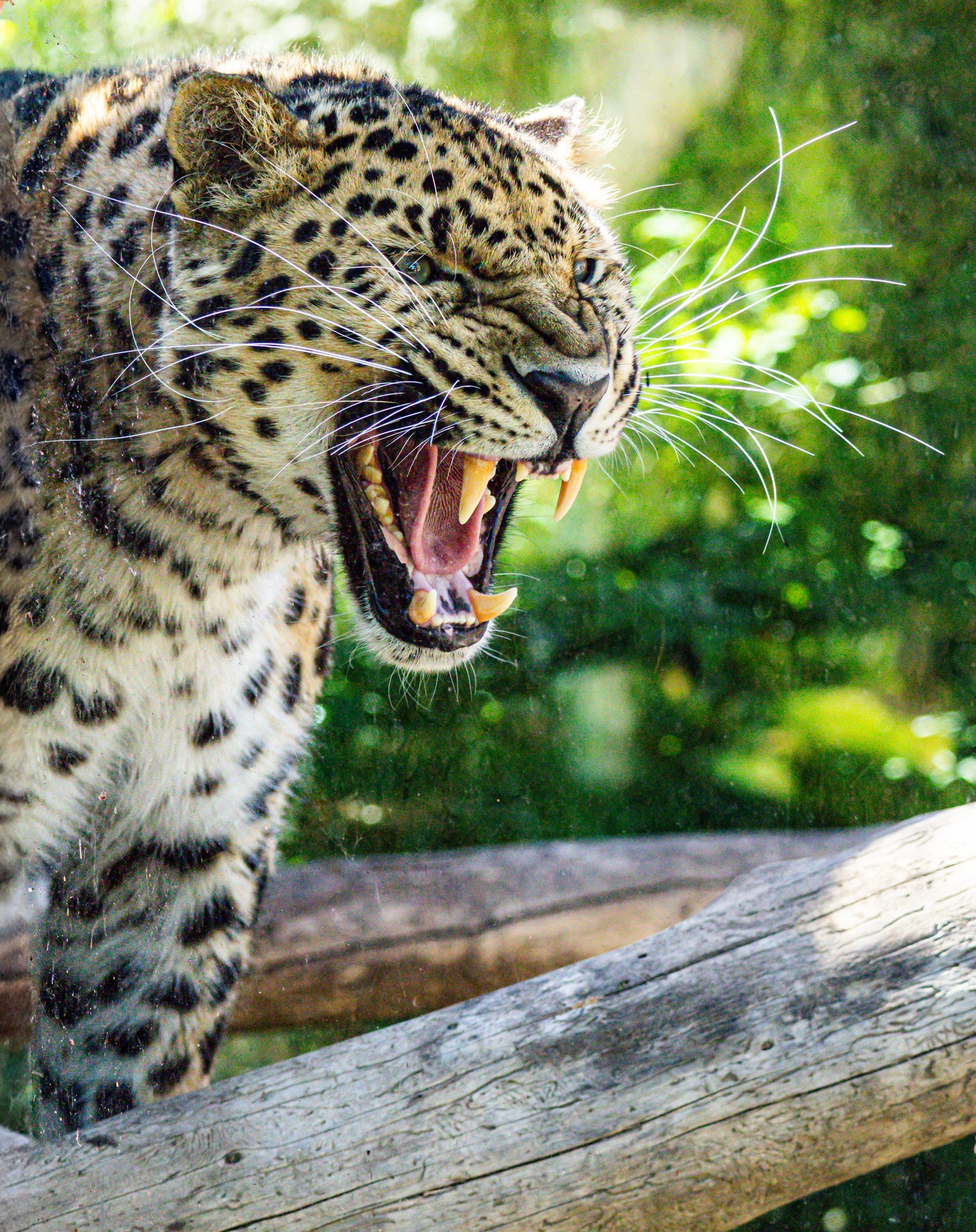
- Amur leopard characteristics and habitat
- Communication and behavior in the wild
- Conservation status and threats facing Amur leopards
- Efforts in wildlife preservation and rehabilitation
- Importance of public awareness and education
The Amur leopard, scientifically known as Panthera pardus orientalis, is one of the most endangered big cat species globally. Characterized by its beautiful, thick coat adorned with rosettes, the leopard has adapted to live in the cold climates of the Russian Far East and northeast China. This solitary feline roams an expansive territory, utilizing its exceptional climbing and stealth abilities for hunting.
Amur leopards are built for survival. They possess a long body, long legs, and a large skull, making them agile hunters. Their fur varies from a pale yellow to gold, with a lighter underbelly. The spots or rosettes on their coats serve as perfect camouflage against the backdrop of the woodlands and grasslands in their natural range. Unlike the more common African leopard, the Amur leopard’s fur is denser and longer, an adaptation to withstand harsh winter temperatures that can plummet below freezing.
The habitat of the Amur leopard is primarily composed of temperate forests and shrublands. These ecosystems are rich in biodiversity, providing ample cover and a diverse range of prey. Common prey includes roe deer, sika deer, hares, and various rodents. The leopards often hunt at night, showcasing their incredible night vision. They rely on stealth, critical for closing in on their prey undetected.
Communication among Amur leopards, though rare due to their solitary nature, occurs through vocalizations such as meows, snarls, and growls—echoing the behavior of domestic cats. Amur leopards also communicate through scent marking, leaving their scent through urine and scratch marks on trees to establish their territory. These distinctive markings are crucial for conveying information to other leopards regarding availability and status in the area.
Despite their adaptability, Amur leopards face significant threats that have pushed them to the brink of extinction. Habitat loss due to logging, urban development, and agricultural expansion is a primary concern. The illegal trade of wildlife, particularly their pelts, has also drastically reduced their population. In the early 2000s, an estimated 30 individuals were left in the wild, a staggering reduction from the thousands present decades prior.
Conservation efforts are now paramount. Protected areas have been established, such as the Land of the Leopard National Park, which provides a secure habitat for the remaining leopards. The park serves as a sanctuary, creating a breeding ground that has been vital for increasing the population. Anti-poaching initiatives and community education programs further enhance these efforts. Collaborative work with neighboring countries to combat wildlife trafficking is crucial for the survival of this big cat.
Public awareness plays a significant role in conservation. It encourages community involvement in local wildlife preservation initiatives. By educating the public about the importance of ecological balance and the role of species like the Amur leopard in their habitats, individuals can foster a culture of stewardship. Initiatives, including documentaries, wildlife tours, and educational campaigns, are essential for disseminating knowledge about these magnificent creatures.
One of the key strategies for ensuring the Amur leopard’s survival includes breeding programs in zoos. These programs not only aim to sustain genetic diversity but also serve as a resource for reintroducing leopards into the wild. Captive breeding has been successful in increasing numbers without compromising the genetic integrity of the species.
Conservationists also focus on habitat restoration. Planting native flora along with establishing wildlife corridors allows for safer movement between territories, which is critical for genetic diversity. By connecting isolated populations, leopards are more likely to mate and produce healthy offspring.
In addition to these initiatives, local communities are integral to the preservation of the Amur leopard. Engaging local populations in conservation efforts, particularly in areas surrounding national parks, can mitigate human-wildlife conflict. Offering alternative livelihood programs that shift reliance away from poaching can help foster a more sustainable coexistence between humans and wildlife.
Research remains vital in addressing the challenges faced by Amur leopards. Continued studies into their behavior, reproduction, and habitat requirements contribute valuable insights guiding conservation strategies. By employing tracking technology and camera traps, researchers are gaining deeper insights into their habits and movements, which informs effective management and protection strategies.
Despite the challenges, there is hope on the horizon. Various non-governmental organizations and governments have united their efforts, indicating a crucial turning point in the fight to save the Amur leopard. The dedication of scientists, eco-activists, and local communities marks a concerted push towards recovery.
For individuals interested in supporting conservation, numerous ways exist to engage. From adopting a leopard through wildlife charities to participating in conservation volunteering programs, actions can resonate far beyond individual contributions. Awareness through social media and local initiatives also helps to amplify the message about the importance of protecting this endangered species.
The plight of the Amur leopard illustrates a broader environmental issue—how human actions significantly impact wildlife populations. Our desire for land, resources, and economic development must find a balance with the need to protect endangered species. The survival of the Amur leopard reflects on our values, choices, and collective responsibility towards the environment.
In examining the Amur leopard, it becomes evident that education and reform are pivotal. Mobilizing public support for conservation initiatives allows for a more informed dialogue surrounding wildlife preservation. By emphasizing the interconnectedness of ecosystems and the critical roles of apex predators, awareness can shift from mere recognition to passionate advocacy.
In summary, the Amur leopard is not just a symbol of beauty; it represents a vital part of our global wildlife heritage. Understanding its biology, behaviors, and the conservation challenges it faces provides a framework for more effective efforts in preserving this magnificent creature. Through comprehensive strategies involving habitat protection, anti-poaching efforts, public education, and community engagement, we can collectively contribute to the survival of the Amur leopard and similar endangered species. Every action counts—small or large—and can create ripples of change in wildlife conservation.
*****
Source Description
spotted! 😝🐆👀
Amur leopards are solitary big cats in the wild. When they do communicate, they produce vocalizations such as meows, snarls, and growls– a bit like your cats at home!
Alt-text: Tamur the Amur leopard bares his long, sharp teeth and pink tongue as he scrunches his face to let out a big cat snarl.
