
- The origins and meanings of golf terminology: "birdie" and "eagle"
- Historical context of golfing terms from the late 19th century
- The significance of bird species in golf terminology and their connection to conservation
- The role of wildlife conservation in protecting avian habitats
- The importance of educating the public through venues like the National Aviary
Understanding the terminology of golf is essential for players and fans alike. Two terms that stand out in the sport are "birdie" and "eagle." These terms denote not just achievement on the golf course but also echo a cultural appreciation of avian life. The journey of these words in the golfing lexicon provides insight into their historical context.
The word "bird" in golf dates back to the late 19th century, specifically around 1899. During this time, “bird” was an informal term that described something remarkable or exceptional. Golfers quickly adopted this term to describe a shot that landed near the hole. When a player made a shot that was one stroke under par, it was celebrated as a "birdie." It’s a word that encapsulates excellence in performance and has since become a staple in golfing dialogue.
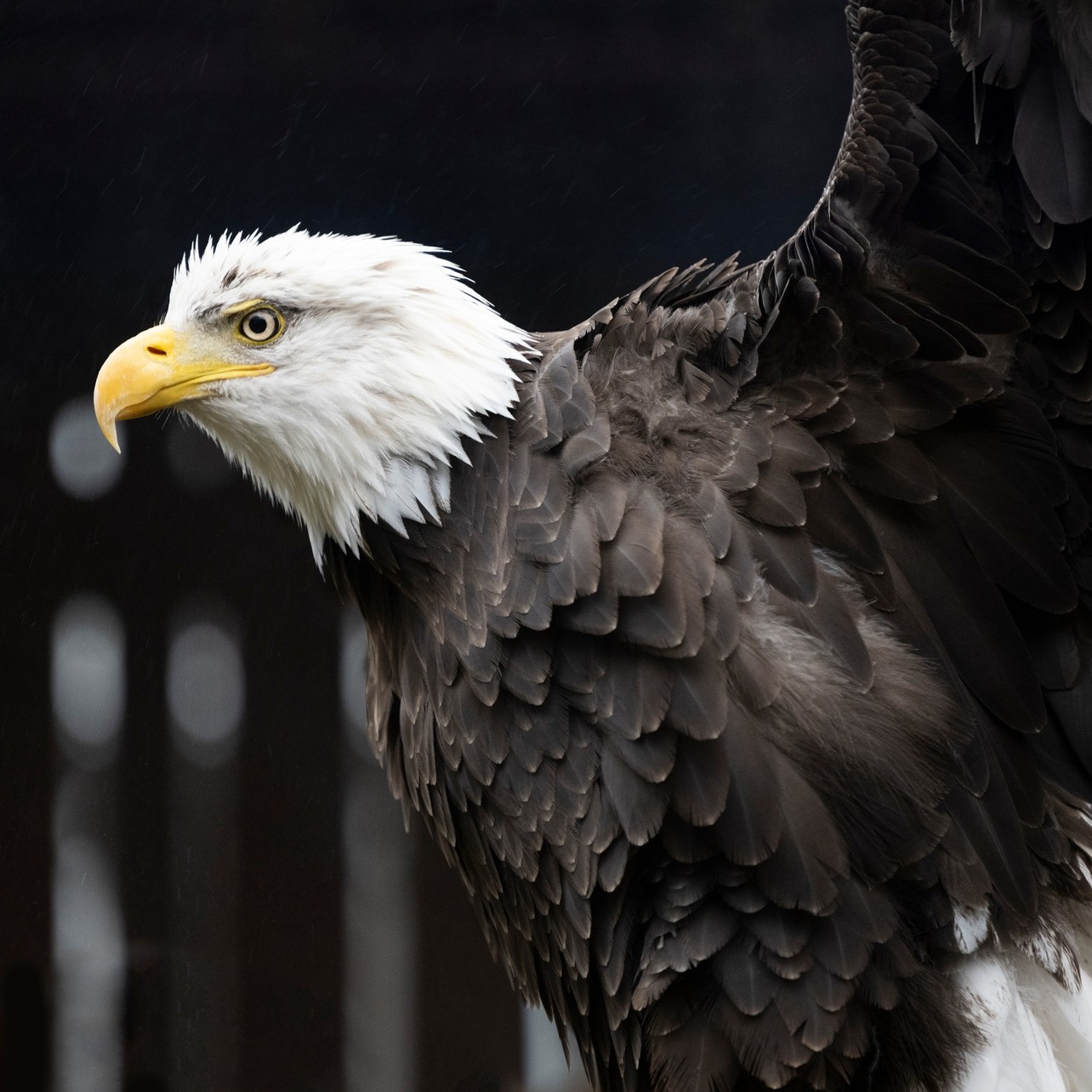
As golf terminology evolved, "eagle" emerged shortly after "birdie." Scoring an eagle means completing a hole two strokes under par, a feat that signifies even greater skill and precision than achieving a birdie. This progression shows a linguistic hierarchy in golf accomplishments, with "eagle" representing a higher level of excellence compared to "birdie." These terms illustrate a delightful blend of competition and appreciation for skill in the sport.
Given the origins of these terms, there’s an intriguing connection to the avian world. Birds, while representing skill in golf terminology, also serve as a reminder of the broader context of wildlife conservation. Many bird species, such as eagles, hawks, and various songbirds, hold significant ecological value. Their habitats must be protected to ensure that they continue to flourish. As public awareness of environmental issues grows, initiatives that promote wildlife conservation are critical. Organizations work tirelessly to protect important habitats that support these birds.
Educational institutions and community spaces, like the National Aviary, facilitate the understanding of avian species and their conservation needs. Such organizations bring together people of all ages to learn about biodiversity, the ecological roles of various species, and the ways in which human activities impact these vital ecosystems. Facilities dedicated to animal care nurture not only birds but also promote knowledge surrounding habitat preservation and species protection.
The need for education in wildlife conservation has never been more pressing. Past generations might have overlooked the importance of protecting biodiversity, but recent decades have seen an awakening in public consciousness regarding environmental preservation. By engaging with educational resources and organizations, individuals can learn about local species and their needs. Understanding how bird populations reflect ecosystem health stands as crucial informational content for those interested in conservation.
Various initiatives aim to engage communities in environmental stewardship. Programs might involve habitat restoration projects, birdwatching excursions, and school outreach that highlight the significance of avian conservation efforts. By fostering a sense of community participation, these efforts help in raising awareness about conservation challenges and garnering support for initiatives that protect birds and their habitats.
Golf courses can play an integral role in supporting wildlife conservation as well. Many golf clubs implement practices that enhance the local ecosystem while maintaining quality courses. This can include native plant landscaping, water conservation initiatives, and creating natural habitats that provide shelter for local wildlife. By doing so, golf clubs can foster a positive relationship with nature, making them integral participants in broader ecological efforts.
Birds symbolize not only athletic achievement in golf but also resonate with essential environmental themes. The dual meanings behind terms like "birdie" and "eagle" weave together sporting excellence and avian appreciation, bridging the gap between leisure activities and ecological responsibility. Golfers and enthusiasts can celebrate their achievements on the course while also advocating for the protection of the habitats that support bird species.
With the growing recognition of wildlife’s importance, it’s clear that every community has a role to play in environmental conservation. Engaging in discussions about the interconnectedness of sports and nature allows for a deeper understanding of both. Popular culture surrounding golf can influence public perception on environmental issues, encouraging fans and players alike to become advocates for sustaining natural habitats.
In summary, the simple yet profound terminology of golf offers a window into both sporting culture and environmental awareness. As golfers hit birdies and eagles on the course, they can also reflect on the broader implications of these terms, such as the critical state of avian communities and ecosystems. Venues like the National Aviary play pivotal roles in helping individuals connect sport with nature, and in fostering educational experiences that promote a conservation-minded community.
As we continue to celebrate golfing achievements at venues like Oakmont Country Club, it is essential to maintain an appreciation for wildlife. Whether it’s a birdie on the green or an eagle soaring overhead, there’s a continual reminder of the importance of coexistence with nature. Thus, both sports and conservationists find common ground in their efforts to protect and respect the avian species that enrich our lives. This interconnected enthusiasm provides a foundation for progress in addressing pressing environmental challenges and fostering a culture of conservation.
*****
Source Description
Talk “birdie” to me! ⛳
In honor of the teeing off at Oakmont Country Club, we thought to ourselves, “How did ‘birdie’ and ‘eagle’ become golf terminology?”
In 1899, the term “bird” was often used to refer to someone or something deemed excellent or wonderful. As the tale goes, a player hit a “bird” of a shot, with the ball falling within six inches of the cup, and ultimately scoring one stroke under par.
With “birdie” becoming part of the golf lexicon, “eagle” soon referred to scoring one better than a “bird.” In between rounds of golf, venture to the National Aviary to see a few “birdies…” and a few “eagles” too! 😉🦅
.
.
