
- Understanding the role of ambassador animals in wildlife education
- The biology and characteristics of red river hogs
- Chive’s training and socialization process at the zoo
- Conservation efforts for red river hogs and their habitats
- Engaging the public through animal encounters
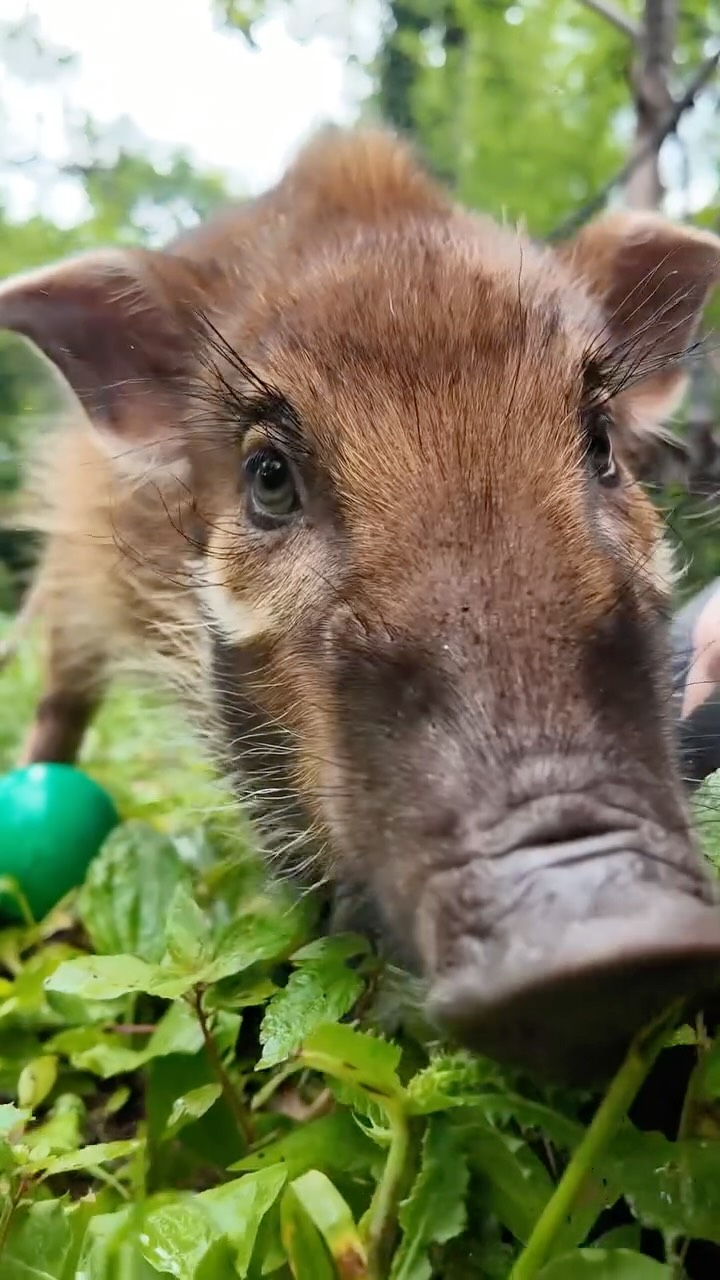
The role of ambassador animals in wildlife education is becoming increasingly significant as modern zoos evolve. These animals, like Chive, the new red river hog piglet, serve as a bridge between the public and wildlife. They help communicate essential messages about conservation, habitat preservation, and respect for nature. Visitors who interact with ambassador animals gain insights into their behaviors, diets, and ecological importance. Chive’s role as an ambassador animal will provide opportunities for visitors to learn about red river hogs while engaging with him in an enjoyable setting.
The red river hog (Potamochoerus porcus) possesses distinct biological and behavioral traits that make it an interesting subject for both education and conservation. Native to sub-Saharan Africa, the species thrives in forested and bush regions where it forages for roots, fruits, and tubers. With a striking coloration of reddish-brown fur and characteristic white facial stripes, they stand out in their natural habitat. Adults can weigh between 100 to 300 pounds, and their size can vary depending on their environment. Their social structure usually includes small family groups, led by a dominant male and numerous females.
Understanding red river hogs can enhance knowledge about mammalian biology and ecosystem interactions. They play a crucial role in seed dispersal, promoting the growth of various plant species. By uprooting vegetation while foraging, they foster an undergrowth that supports other wildlife. Exploring Chive’s characteristics allows educators to illustrate these ecological roles, making the experience meaningful for all ages.
Chive is undergoing a well-structured training and socialization process that is vital for his role as an ambassador animal. This training typically starts at an early age in a controlled environment where he learns to interact with humans and other animals. Trainers focus on building his confidence while minimizing stress, ensuring he feels secure and comfortable in public appearances.
Positive reinforcement techniques are employed during training sessions. For example, using treats to reward desirable behaviors helps reinforce learning. This method not only benefits Chive but also enhances the overall visitor experience. When animals like Chive exhibit natural behaviors in front of guests, it captivates people’s attention and fosters a deeper connection to wildlife.
Public engagement is an essential aspect of ambassador animal programs. When visitors encounter animals like Chive, they often leave with a newfound appreciation for the species and the importance of conservation efforts. Dedicated staff members often educate eager guests about the significance of protecting natural habitats and promote eco-friendly practices. Such interactions can lead to increased awareness and involvement in wildlife conservation initiatives.
In a world facing numerous ecological challenges, conservation efforts for red river hogs and their habitats have become critical. Although not currently listed as endangered, their populations face threats from habitat destruction, hunting, and human encroachment. Initiatives aimed at preserving their habitats include educating local communities about the ecological importance of red river hogs and implementing sustainable land-use practices.
Many zoos also collaborate with global conservation organizations to rescue and rehabilitate red river hogs. These partnerships often involve breeding programs aimed at ensuring species survival while improving genetic diversity. Public support can amplify these efforts, as engagement with ambassador animals encourages individuals to contribute to broader conservation programs. Awareness campaigns and fundraising events often use animals like Chive to highlight the ongoing need for habitat preservation.
Chive’s appearances at the zoo serve to educate visitors while promoting wildlife conservation. By witnessing his energy and adorable antics, guests are more likely to remember the importance of protecting red river hogs and their ecosystems. Educational materials, including signage around his enclosure, can further elaborate on his species’ biology and behavior, ensuring information is easily accessible.
Engaging activities like keeper talks, animal meet-and-greets, and interactive exhibits can significantly enhance the learning experience for visitors. When guests can see Chive up close, questions often arise that foster in-depth discussions about wildlife and conservation. These types of experiences can spark curiosity and encourage guest participation in ongoing conservation efforts.
Moreover, social media plays a crucial role in promoting ambassador animal initiatives. Posts showcasing Chive’s training and appearances can reach a broad audience, generating interest in zoo visits and increasing public awareness about red river hogs. Videos and images that highlight Chive’s personality can resonate with viewers, reminding them that all animals, big or small, deserve care and respect.
The opportunity to interact with Chive and learn about red river hogs captures the imagination and draws attention to the importance of sustainable practices. Young children can develop a sense of responsibility for wildlife and the environment through these interactions. This engagement fosters future generations of conservationists who will ultimately advocate for ecological responsibility and animal welfare.
In essence, ambassador animals like Chive the red river hog piglet represent much more than just a delightful zoo experience. They embody the ongoing efforts of conservation, education, and social outreach. Through structured training and public engagement, Chive showcases his species’ significance while connecting people with wildlife in interaction.
By providing visitors with an unforgettable encounter, Chive serves as a living reminder of the challenges wildlife faces and the need for dedication to conservation efforts. Encountering ambassador animals creates transformative moments that help bridge the gap between human activity and nature.
As you explore the zoo, keep an eye out for Chive. His appearances are part of a larger mission to educate, inspire, and promote conservation awareness. Understanding the responsibilities of caring for wildlife is crucial for fostering a harmonious relationship between humans and nature. Each interaction with ambassador animals significantly impacts conservation efforts by enhancing public understanding and encouraging proactive support for wildlife protection. Through Chive’s efforts, the message of conservation becomes accessible and engaging, empowering individuals to contribute to the well-being of all species.
*****
Source Description
Boops incoming! 🐷
Chive, the red river hog piglet, is starting to make surprise appearances around the Zoo as part of his ambassador animal training. Keep on the lookout the next time you’re here!
