
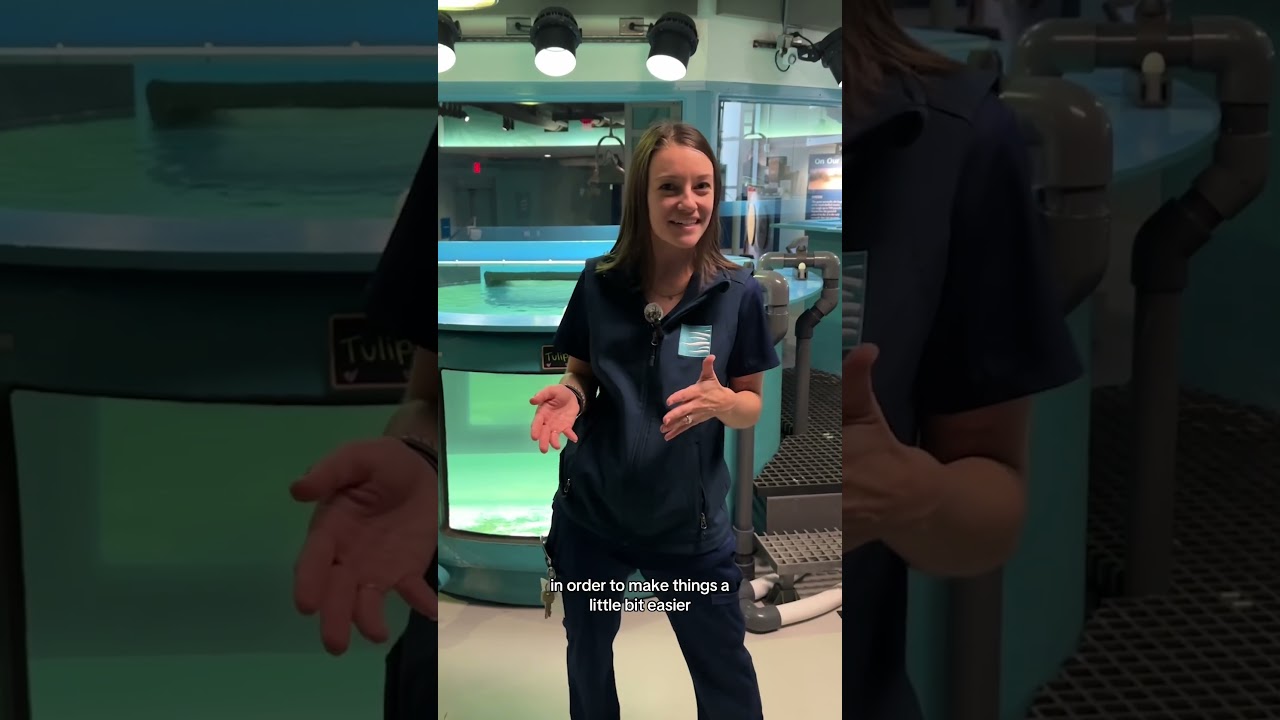
- Understanding "stranding season" for sea turtles and its significance.
- The impact of environmental changes and human activity on stranding events.
- The role of wildlife conservation teams, specifically SCDNR MTP 2025-0004, in aiding stranded sea turtles.
- Detailed processes and challenges in rescuing, rehabilitating, and releasing sea turtles.
- Public engagement and education in supporting sea turtle conservation efforts.
Each year, as the warmer months approach, coastal regions prepare for what is known as the "stranding season" for sea turtles. This period, particularly in places like South Carolina, sees an increase in the number of sea turtles found stranded on beaches. This phenomenon is crucial for both conservationists and marine biologists who aim to protect these magnificent creatures.
Stranding season holds particular significance for the South Carolina Department of Natural Resources (SCDNR), specifically the program known as MTP 2025-0004. Stranding refers to turtles that have washed ashore due to various reasons, often due to poor health, injury, or disorientation. During this season, turtles might be found on beaches, requiring urgent intervention from conservation teams.
Environmental changes and human activities have been pivotal in increasing the frequency and severity of stranding events. Rising sea temperatures, pollution, and coastal development disrupt the natural habitats of sea turtles. These factors contribute to disorientation and injury, making it vital for conservationists to mitigate these impacts.
SCDNR’s MTP 2025-0004 initiative stands at the forefront of sea turtle conservation in South Carolina. Their dedicated teams respond to calls about stranded sea turtles, offering immediate assistance. The program is comprehensive, involving both emergency response and long-term rehabilitation efforts. The primary objective is to ensure that as many turtles as possible are returned to their natural habitat.
Rescuing and rehabilitating sea turtles are intricate processes. Upon locating a stranded turtle, the team assesses its condition, checking for injuries, dehydration, or diseases. Immediate medical attention is often required, necessitating the expertise of veterinarians specializing in marine wildlife.
Once stabilized, turtles are taken to rehabilitation facilities. Here, they undergo a period of recovery, which includes medical treatment, nutritional support, and observation. The rehabilitation process is crucial, as it ensures that the turtles are fit enough to survive in the wild upon their release. The ultimate goal of MTP 2025-0004 is to release healthy turtles back into their natural environments, contributing to the conservation of their species.
Public engagement and education play a pivotal role in enhancing the effectiveness of stranding season responses. By raising awareness of the challenges faced by sea turtles and the importance of conservation efforts, organizations can garner support from local communities. Educational programs and involvement in rescue missions help cultivate a sense of responsibility and stewardship towards marine life.
Sea turtles are essential to the ocean’s ecosystems, and their survival is intertwined with broader environmental health. Conservation efforts like those undertaken by SCDNR MTP 2025-0004 are not merely about rescuing individual turtles but preserving the biodiversity of our oceans.
Preventing stranding events also involves reducing human impact through policy support, habitat protection, and reducing marine pollution. Conservationists advocate for policies that protect critical habitats, regulate fishing practices to prevent bycatch, and promote pollution reduction strategies.
The collective efforts during stranding season exemplify a commitment to wildlife welfare, combining scientific expertise, public participation, and policy advocacy. As the global community becomes increasingly aware of the importance of ocean conservation, the practices refined in local contexts like South Carolina serve as models for worldwide efforts in protecting marine life.
Sea turtles face numerous threats in their life cycles, from onshore egg predation to accidental capture in fishing gear. Stranding season, therefore, is a vital opportunity for conservationists to address these challenges head-on, providing targeted interventions and strengthening the resilience of sea turtle populations.
The work of initiatives like SCDNR MTP 2025-0004 highlights the dedicated efforts required to combat species decline. By focusing on specific events like stranding season, conservationists can make significant strides in preserving sea turtle populations and, by extension, the health of our oceans. Through continued research, public involvement, and dedicated conservation strategies, the hope is to create a sustainable environment where sea turtles and marine life can thrive.
*****
Source Description
