
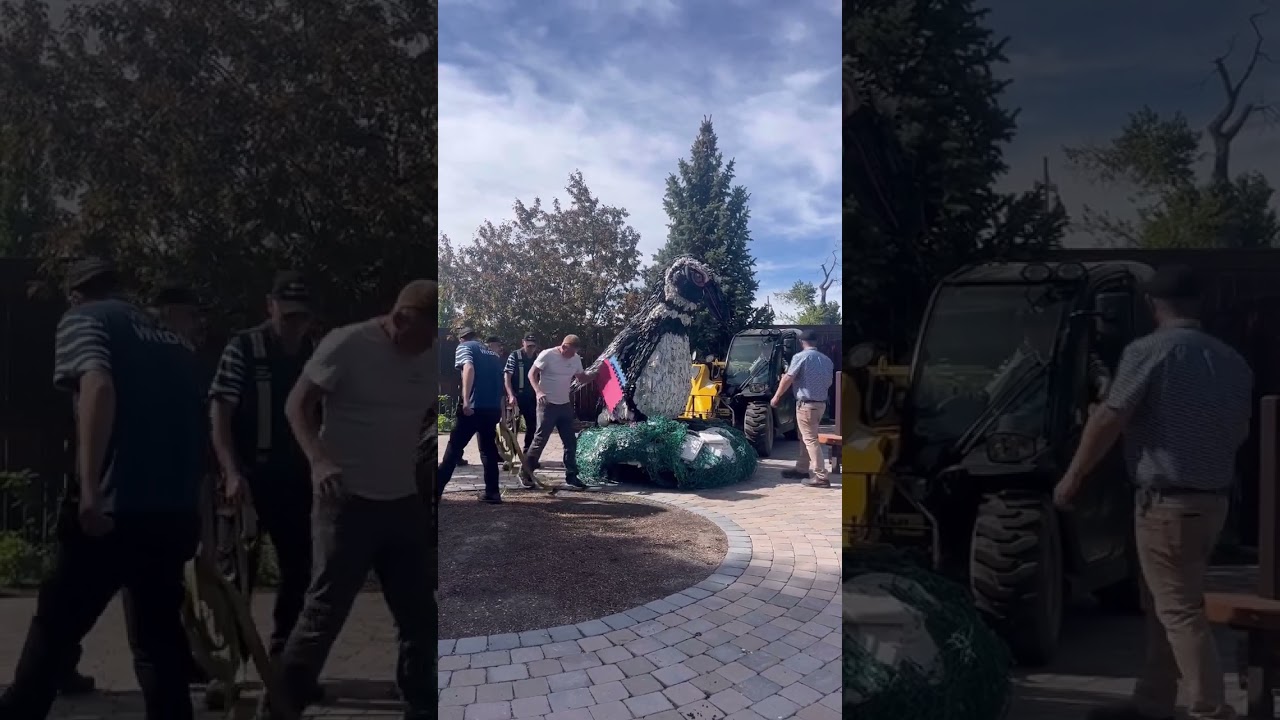
- Overview of Washed Ashore at the Wilder Institute/Calgary Zoo and its conservation message
- The role of art in engaging public awareness about plastic pollution
- Zoological insights on wildlife conservation and education through the exhibit
- Strategies in zoo management for incorporating environmental art exhibits
- Broader implications for conservation efforts and sustainable practices
Washed Ashore at the Wilder Institute/Calgary Zoo is an innovative exhibit that transcends the traditional confines of art display. By infusing artistic ingenuity with environmental consciousness, it sheds light on the critical issue of plastic pollution in a compelling manner. This initiative reflects a growing trend among modern zoos to embrace educational art installations as a tool for wildlife conservation and public outreach.
The exhibit features impressive sculptures crafted from marine debris collected from beaches. These pieces are not simply art; they are conscious manifestations of the environmental crises that threaten our oceans and wildlife. Each sculpture in the exhibit is an opportunity to engage visitors, making them aware of human impacts on nature while encouraging them to consider their role in the ongoing battle against plastic waste.
Art has long been a powerful medium for sparking change, and Washed Ashore stands as a testament to this capability. By transforming discarded materials into thought-provoking forms, the initiative effectively captures public attention, turning viewers into active participants in the conversation about pollution. These artistic creations translate complex environmental issues into tangible realities, allowing people to grasp the gravity of the situation in an accessible manner.
Zoos like the Wilder Institute/Calgary Zoo invariably aim to foster a connection between humans and wildlife, and the Washed Ashore exhibit serves this mission exceptionally well. By integrating art and education, the zoo provides a unique platform for informing visitors about the necessity of sustainable practices. This educational approach offers a multisensory experience, making learning about conservation engaging and impactful. It aligns well with the broader educational frameworks used by modern zoos, which aim to drive change through informed awareness.
Effective zoo management is essential in implementing and sustaining such initiatives. Incorporating environmental art exhibits requires careful planning and coordination. This involves logistical considerations such as spatial arrangements, collaborations with artists and educators, and ongoing maintenance. Additionally, the zoo must evaluate the exhibit’s impact on visitors to assess its effectiveness as an educational tool. These strategies contribute to the successful integration of art into the broader conservation goals of the institution.
The broader implications of the Washed Ashore exhibit extend beyond its immediate impact on zoo visitors. By fostering a deeper understanding of environmental issues, it prepares individuals to engage in conservation efforts in their everyday lives. Such initiatives are crucial in building a collective movement towards more sustainable practices. As zoos continue to evolve, integrating art and conservation education will likely become an increasingly prominent strategy for engaging the public and promoting wildlife conservation.
Washed Ashore at the Wilder Institute/Calgary Zoo exemplifies how art can be a powerful tool for environmental advocacy. By creatively addressing plastic pollution, the exhibit educates, inspires, and challenges visitors to contribute to a sustainable future. This approach represents a forward-thinking model for zoos and conservation organizations worldwide, demonstrating the potential to transform public awareness into positive action.
*****
Source Description
Something big has “washed ashore” at the zoo! 🌊
We’re thrilled to host Washed Ashore, an incredible exhibit that celebrates the beauty and fragility of marine wildlife and reminds us of the need to protect it. Beginning this Friday, May 31st, the zoo will be the temporary home of a variety of sculptures made entirely of marine debris that has been found in the ocean. Here’s your sneak peek at the installation work that has been happening!
Learn more about Washed Ashore with the link: https://bit.ly/4dqf1oZ
#YourZooYYC #YYCEvent
